

16Arlington
Overview
16Arlington is a London-based womenswear label established in 2017 by Marco Capaldo and Federica Cavenati. Based in their studio in London, the brand emerged as a unique proposition that merges high-fashion luxury with a commitment to glamour and self-expression. The house gained international recognition for its sophisticated, high-octane aesthetic and its presence on the London Fashion Week schedule, becoming a favourite on the red carpet. The label works across womenswear.
The label is distinguished by its ability to navigate the boundary between refined elegance and a more provocative, subverted femininity. Following Cavenati’s passing in 2021, Capaldo continues as the sole creative director, maintaining the brand’s reputation for a unique blend of high-energy glamour and meticulous construction. The brand has remained visible within the fashion calendar and related retail networks. Its development has been shaped by recurring codes in cut, material or proportion. That structure has helped preserve an authorial identity as the label has developed.
Philosophy
High-octane glamour and the celebration of a 'playful' femininity serve as the primary creative drivers of the house. The design language is built on a foundation of sharp tailoring and fluid eveningwear, where the volume and cut of the garment are used to emphasise movement and drama. Design decisions are frequently driven by a tension between the 'proper' dress codes of the past and a newer, more rebellious attitude.
Recurring motifs include the use of sequins, feathers, and leather, often accented with crystals or deep necklines. The aesthetic is defined by a bold use of contrast, pairing delicate laces or fluid silks with heavy hardware and tailored denim. There is a persistent emphasis on the 'party-ready' nature of the clothes, focusing on pieces that are designed to be seen and performed in. Prioritising the expressive and social potential of the garment, the brand creates a visual world that is as much about character and narrative as it is about construction.
Timeline
Disclaimer
Creative timeline
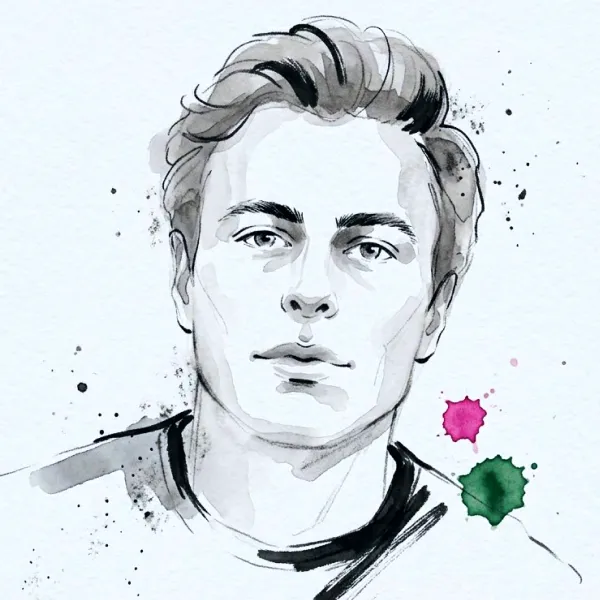
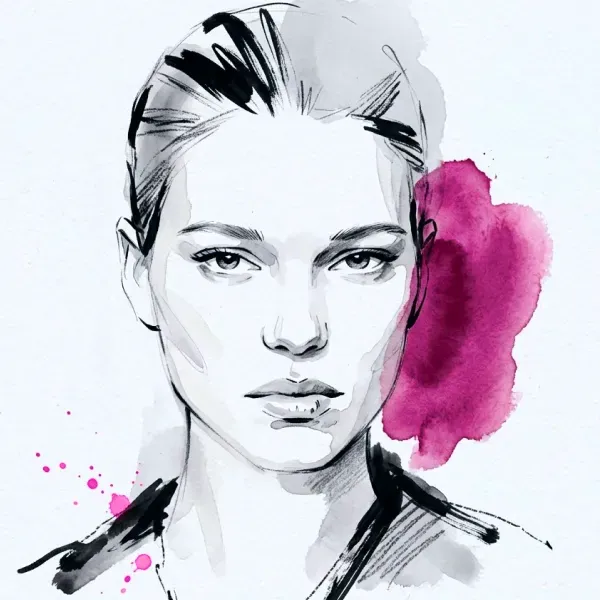
Button TextFederica Cavenati's vision for 16Arlington rested on silhouette-driven luxury with an emphasis on fabrication.
Marco Capaldo returns 16Arlington to high-glamour dressing sharpened by precise tailoring as its clearest signature.
Marco Capaldo defined 16Arlington around evening glamour cut with a sharper tailored line.


