


Enfants Riches Déprimés
Overview
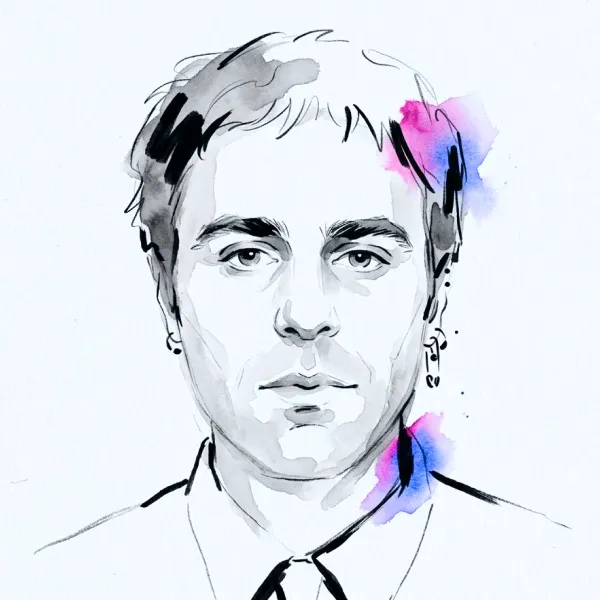
Enfants Riches Déprimés is a Los Angeles-based luxury fashion house founded in 2012 by designer Henri Alexander Levy, emerging as a provocative and highly exclusive voice in contemporary American fashion. Notable for its limited-run production and its presence in the global avant-garde landscape, the label has become a prominent voice on the Paris Fashion Week schedule. The brand is characterised by its use of technical fabrications, deconstructed silhouettes, and a preference for motifs that challenge conventional beauty norms. The label works across beauty and tailoring.
The brand achieved rapid international success for its unique ability to merge traditional sartorial codes with a rebellious and ironic edge, famously defined by its focus on 'nihilistic' luxury and a refusal to adhere to traditional market binaries. Based between Los Angeles and Paris, the house remains a symbol of creative freedom and intellectual rebellion within the industry. Enfants Riches Déprimés is notable for its commitment to material quality and technical mastery, maintaining an independent and authorial creative direction that prioritises material integrity.
Philosophy
Levy has framed Enfants Riches Déprimés as a conceptual project as much as a fashion label, using the language of punk, decadence and privilege to stage an argument rather than to chase trends. The brand’s very name signals a pointed, ironic gaze at wealth and youth culture, and press profiles have repeatedly described its world as often deliberately confrontational, mixing nihilistic humour with couture-level production values.
Control is part of the method: limited quantities, selective stockists and an insistence on treating garments as rare artefacts are presented as alternatives to mass fashion’s churn. The work leans on contradiction-military structure and bohemian softness, bourgeois textiles and abrasive distressing-so that clothes can read as both luxurious and uneasy. That approach extends to the wider universe around the product, including a Paris space that blends retail with books, music and art references, reinforcing an ethos of culture-making rather than simple merchandising. Narrative and cultural reference operate here as structuring devices rather than decorative afterthoughts.
Timeline
Disclaimer
Creative timeline
Button TextHenri Alexander Levy gave Enfants Riches Déprimés its first identity through conceptual experimentation and precise tailoring.


