


Labrum London
Overview
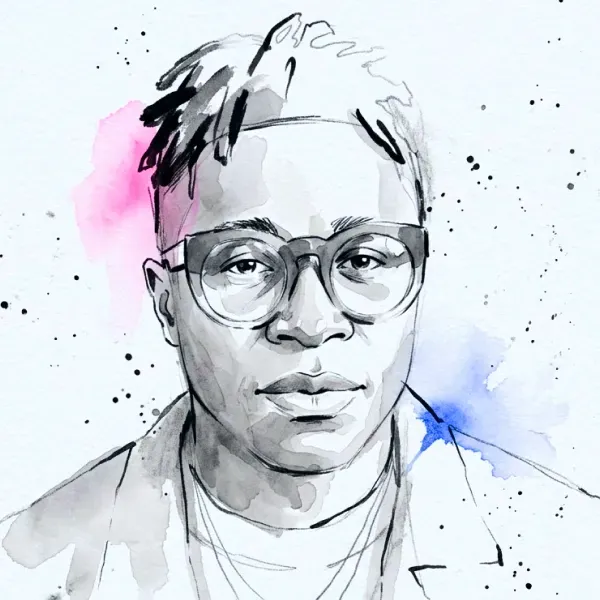
Foday Dumbuya founded Labrum London in 2014, establishing a contemporary fashion house where the name symbolises the act of storytelling through design. Based in London, the label is noted for its ability to bridge the gap between West African heritage and British tailoring, exploring the complexities of migration, identity, and the diaspora. It has become a significant voice on the London Fashion Week schedule, winning the Queen Elizabeth II Award for British Design in 2023. The label works across tailoring.
The house occupies a unique position by merging Savile Row techniques with the vibrant textiles and narratives of Sierra Leone. This fusion has allowed Labrum to challenge traditional Western perceptions of luxury and style. The brand has remained visible within the fashion calendar and related retail networks. Its development has been shaped by recurring codes in cut, material or proportion. Across its core categories, the label has developed a recognisable identity rather than a broad, undifferentiated offer.
Philosophy
West African heritage and British tailoring form the central creative framework for the house, where clothing functions as a cultural marker and a functional tool for a global life. This is expressed through the use of traditional techniques-such as batik and hand-weaving-integrated into classic tailored silhouettes.
Formally, the work focuses on the tension between structure and fluidity, pairing sharp blazers and pleated trousers with relaxed, oversized shirts and draped outerwear. Recurring motifs include the use of utilitarian details, such as multiple pockets and adjustable straps, which reflect a sense of practical elegance. Materiality is central, with a preference for natural fibres and textiles that carry a sense of place. By prioritising narrative depth and technical excellence, the brand creates work that is both intellectually grounded and visually compelling, offering a sophisticated interpretation of cross-cultural identity. Narrative and cultural reference operate here as structuring devices rather than decorative afterthoughts. Ease, function or wearability remain part of the way those ideas are translated into dress.
Timeline
Disclaimer
Creative timeline
Button TextFoday Dumbuya gave Labrum London its first identity through film, image and narrative-led brand building.


