


Maxhosa
Overview
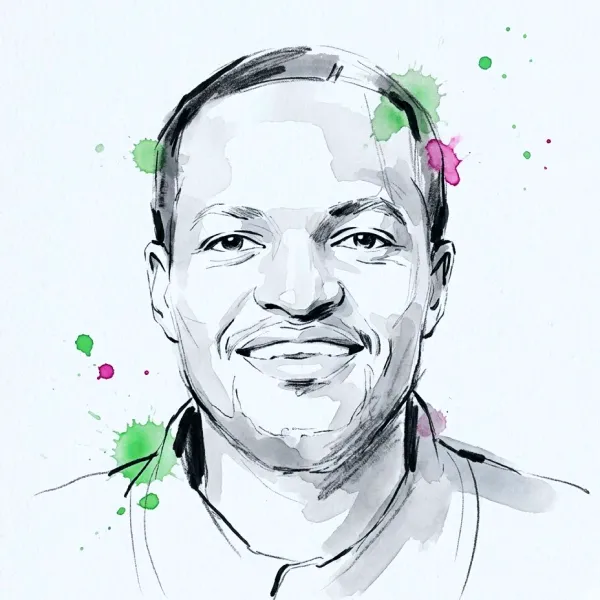
Laduma Ngxokolo founded MaXhosa in 2012 in Port Elizabeth, South Africa, originally to provide a modern, high-fashion alternative to the traditional knitwear worn during Xhosa initiation rituals. By translating ancestral beadwork patterns into a sophisticated graphic language for mohair and wool, Ngxokolo has elevated South African heritage onto the global luxury stage. The label has grown from a specialist knitwear project into a multidisciplinary lifestyle brand encompassing menswear, womenswear, and homeware, with presentations at major fashion weeks in New York and Paris.
The label works across womenswear, menswear, and knitwear. The brand acts as a critical conduit for cultural preservation, utilizing locally sourced materials and supporting regional economies through ethical production. Its rise signals a broader shift in the luxury industry toward recognising and valuing non-Western design genealogies. The brand has remained visible within the fashion calendar and related retail networks. Across its core categories, the label has developed a recognisable identity rather than a broad, undifferentiated offer.
Philosophy
Maxhosa’s philosophy is rooted in cultural transmission through knitwear. The row describes ancestral beadwork motifs being re-engineered through contemporary textile methods, so that geometric pattern carries social history as well as visual rhythm. South African mohair and wool are central to that process, not simply as premium fibres but as materials whose lustre and resilience support the brand’s saturated colour and highly legible surfaces.
The garment is therefore treated as both object and document. In the row evidence, weaving becomes a way of recording, revitalising and circulating Xhosa traditions for a global audience rather than preserving them in static form. Cultural agency and pride are named directly, and the brand positions clothing as a tool of continuity as well as display. Taken together, the philosophy here rests on the use of knitwear to hold memory, identity and modern textile practice in the same frame, allowing tradition to move forward through material experiment rather than through simple revival.
Timeline
Disclaimer
Creative timeline
Button TextMaxhosa emerged from Laduma Ngxokolo's commitment to luxury knitwear and material rigour.


