


Moncler
Overview
Beginning in 1952 in the mountain village of Monestier-de-Clermont, Moncler was established as a producer of technical sleeping bags and tents. The brand became famous for its down jacket, developed to protect workers from extreme cold, and achieved global prominence as the supplier to the French Olympic team in 1968. In 2003, Remo Ruffini acquired the house. The introduction of the 'Moncler Genius' project in 2018 redefined the brand as a hub for creative experimentation, collaborating with high-profile designers to deconstruct its DNA.
The label works across bags. By continuously pushing the boundaries of material and design, the house has maintained its relevance across both alpine and metropolitan environments. Its development has been shaped by recurring codes in cut, material or proportion. Changes in ownership or partnership have formed part of that development over time. Across its core categories, the label has developed a recognisable identity rather than a broad, undifferentiated offer.
Philosophy
Technical gear is elevated through a focus on the evolution of the signature 'quilted' aesthetic, where functional warmth is reinterpreted through a luxury lens. Design decisions are driven by a commitment to innovation, involving the use of high-performance nylons, superior down insulation, and advanced garment-dyeing techniques. This utilitarian foundation serves as a starting point for experimentation with silhouette, ranging from sleek, body-conscious cuts to avant-garde, sculptural volumes.
Recurring themes include the exploration of mountain heritage in an urban context, expressed through the contrast of matte and shiny surfaces and the integration of technical hardware with traditional luxury fabrics like wool and fur. Through the Genius project, the brand’s philosophy encompasses a plurality of voices, allowing designers to rebuild the Moncler identity. This approach sees the down jacket as a versatile medium for artistic expression, ensuring the house’s core remains technically rigorous and conceptually expansive. Contradiction remains central, with opposing ideas held together rather than resolved.
Timeline
Disclaimer
Creative timeline
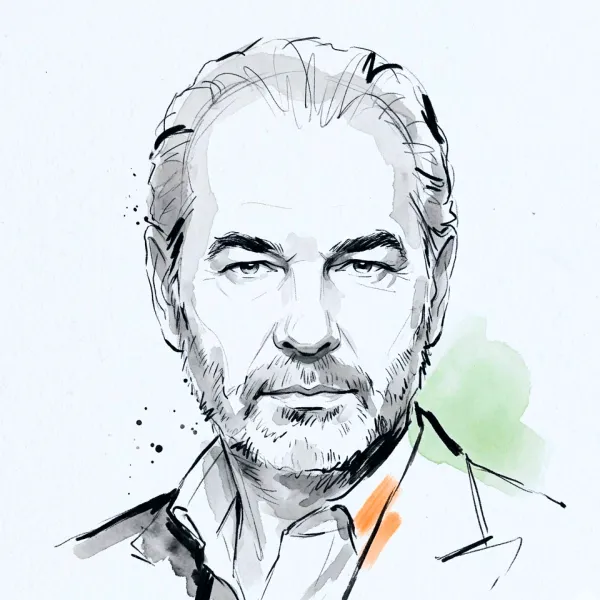
Button TextRemo Ruffini turned Moncler into a luxury platform where technical outerwear could operate with urban and global reach.
At Moncler, René Ramillon established an identity built on outerwear performance recast as luxury dress.
André Vincent used outerwear performance recast as luxury dress to establish the label's earliest identity.


