


Tokyo James
Overview
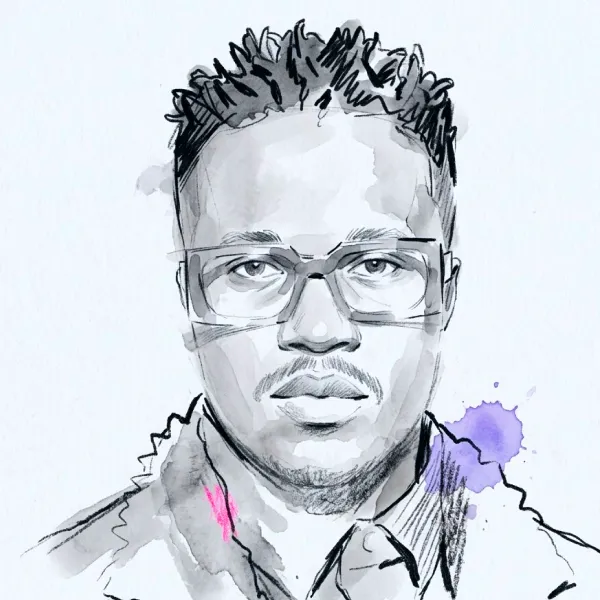
Tokyo James is a fashion label founded in 2015 by British-Nigerian designer Iniye Tokyo James. Rooted in Lagos, the brand’s identity is shaped by cultural duality and a focus on tailoring-structured silhouettes that blend classic menswear codes with colour, texture and attitude tied to a contemporary African context. The label gained broader international visibility as a finalist in the 2022 LVMH Prize. Its language is frequently described through suits, sharp separates and statement accessories, balancing discipline with expressive detail.
The label works across menswear, accessories, and tailoring. Tokyo James continues to expand through selective retail partnerships and fashion-week programming across African and international ecosystems. Its development has been shaped by recurring codes in cut, material or proportion. Changes in ownership or partnership have formed part of that development over time. Across its core categories, the label has developed a recognisable identity rather than a broad, undifferentiated offer. That combination of origin, product focus and later development defines the brand’s current position.
Philosophy
Tokyo James positions clothing as representation: a way to centre African perspectives within luxury fashion without reducing identity to surface motif. The brand frames cultural synthesis as lived reality, using tailoring as a shared language that is then shifted through fabrication, styling and context.
The label’s stated ambition is to build a wardrobe that feels globally legible while remaining grounded in place, craft and narrative authority. In this philosophy, luxury is not only finish and price; it is voice, visibility and the right to define modern elegance from multiple vantage points at once, with tailoring used as a stabilising structure for that message. Narrative and cultural reference operate here as structuring devices rather than decorative afterthoughts. Material choice and construction are treated as part of the argument, not as secondary finishing touches. Dress is used to test how identity or role can be recast through styling, cut or bodily presentation.
Timeline
Disclaimer
Creative timeline
Button TextIniye Tokyo James's proposition rested on colour treated as a structural part of the image.


