


Bottega Veneta
Overview
Bottega Veneta was founded in Vicenza in 1966 by Renzo Zengiaro and Michele Taddei as a workshop-led leather-goods business. Zengiaro directed design and production while Taddei developed its commercial network. The house opened its first New York shop at 655 Madison Avenue in September 1972, and by March 1975 it was publicly presenting the diagonal woven-leather construction later known as Intrecciato alongside the line ‘When your own initials are enough’. The weave was adapted through workshop experimentation from existing craft principles; no sole inventor is supported.
After founder control gave way to the Moltedo family, Laura Moltedo became the house’s owner and Creative Director, and Edward Buchanan built its first documented dedicated ready-to-wear programme in the mid-1990s. Gucci Group acquired control on 26 February 2001 within the group later renamed Kering. Tomas Maier then reorganised product, image and retail around leather craft, discreet recognition and long-term category building, extending the house through ready-to-wear, Home, fragrance, eyewear, jewellery and formal craft training.
Daniel Lee enlarged the scale and visibility of Bottega Veneta’s materials and accessories from 2018 to 2021, while the pandemic-era Salon sequence changed how collections were shown and released. Matthieu Blazy followed with material illusion, movement and commissioned design environments. Louise Trotter, Creative Director since late January 2025, has continued the integrated women’s, men’s and accessories system while returning to archival bag forms, softened tailoring and technically transformed surfaces.
Philosophy
Bottega Veneta’s design identity begins with material and construction. Soft nappa, hand-cut leather strips and diagonal weaving allow bags and garments to carry recognition through surface, proportion and touch without depending on an exterior logo. Intrecciato is used as a flexible method across categories, not as a separate line, and its value lies in the accumulated decisions of designers, artisans, technicians and manufacturers.
Each modern creative director has altered that foundation. Maier used restraint, function and controlled finish; Lee increased scale, colour and sculptural volume; Blazy made leather imitate denim, flannel and jersey while testing clothes in motion; Trotter has combined architectural structure with softness and reworked established forms including the Cabat, Lauren, Knot and Veneta. The continuity is not a fixed silhouette but a habit of making familiar objects newly legible through technique.
The house also treats craft as infrastructure. Its leatherworking school, Montebello atelier, Accademia Labor et Ingenium and Certificate of Craft connect design to training, employment, repair and long product life. These systems keep the workshop principle active at industrial scale while leaving room for outside photographers, artists, furniture makers, perfumers and manufacturers to retain authorship of their own contributions.
Timeline
Disclaimer
Creative timeline
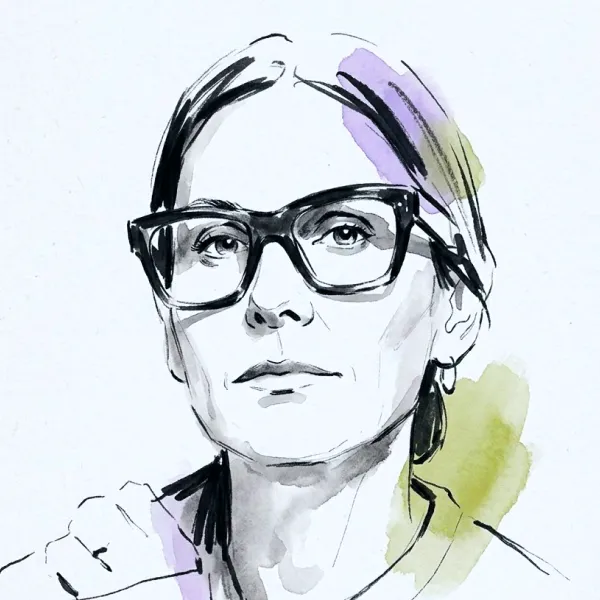
Button TextLouise Trotter assumed operational authority at Bottega Veneta after 24 January and by the end of January 2025. She directs the integrated women’s, men’s and accessories system and remains Creative Director at the research cutoff.
Bottega Veneta announced Louise Trotter as its next Creative Director on 12 December 2024. Kering stated that she would join at the end of January 2025, so the announcement is kept separate from her operational start.
Kering announced Matthieu Blazy’s succession by Louise Trotter on 12 December 2024. The date marks the public transition, while Blazy’s effective final day remains unresolved and his final runway and final public release stay in the Collections chronology.
Bottega Veneta launched Bottega for Bottegas in December 2021 to give selected independent workshops access to its website, advertising, newsletters and store windows. The recurring programme used the house’s visibility to support external craft businesses without absorbing them into Bottega ownership or production.
Bottega Veneta promoted Matthieu Blazy from Ready-to-Wear Design Director to Creative Director with immediate effect on 15 November 2021. The internal succession preserved studio and manufacturing continuity while shifting the house towards material illusion, movement and commissioned design environments.
Bottega Veneta and Daniel Lee announced a joint decision to end their collaboration on 10 November 2021. No cause was given, and his effective end remains bounded between the announcement and Matthieu Blazy’s immediate appointment on 15 November.
Bottega Veneta replaced its regular Milan-calendar presentation rhythm with the Salon system from October 2020 through October 2021. Private physical shows, restricted image access and delayed public releases reorganised how collections reached audiences during the pandemic; the individual Salon collections remain recorded only in Collections.
Matthieu Blazy joined Bottega Veneta in 2020 as Ready-to-Wear Design Director under Daniel Lee. The title establishes senior responsibility inside the clothing studio without supporting reassignment of Lee-era collections or products to Blazy; his role changed when he was promoted to Creative Director on 15 November 2021.
Daniel Lee became Bottega Veneta Creative Director on 1 July 2018 with responsibility for the house’s entire creative direction. He increased the scale, colour and sculptural force of its materials and products while retaining the non-logo identity built through craft.
Bottega Veneta and Kering announced the end of Tomas Maier’s collaboration in a statement dated 13 June 2018. His exact contractual final day was not published, and Daniel Lee’s 1 July start provides the firm successor boundary.
Gucci Group appointed Tomas Maier Creative Director with immediate effect on 19 June 2001. His mandate covered product, brand image and store format, and he rebuilt the house around leather craft, restrained recognition and a gradual return to full ready-to-wear.
Louise Trotter presents her debut Bottega Veneta Spring/Summer 2026 runway show.
The February 2001 acquisition announcement said that Laura Moltedo would continue as Creative Director, but Gucci Group installed a replacement management and creative structure with immediate effect on 19 June. Her exact final working day and any transition arrangement remain unresolved, so the record uses the new structure as the supported outer boundary rather than inventing a precise departure date.
Gucci Group completed its acquisition of 66.7 per cent of the Bottega Veneta corporate group on 26 February 2001 after announcing the agreement on 7 February. The deal recapitalised the house and preceded a staged management and creative reset; official filings conflict over the immediate acquired legal entity.
By 1999–2000, Bottega Veneta’s fashion authorship was distributed rather than organised around one sole designer. Laura Moltedo retained house authority while Edward Buchanan led the established ready-to-wear programme and Katie Grand, Giles Deacon, Stuart Vevers and category specialists contributed to image, clothing and accessories; exact individual start and end dates remain unresolved.
Edward Buchanan built Bottega Veneta’s first documented dedicated ready-to-wear programme in 1995 or 1996. He established the Milan apparel office, developed factories and presentations, and worked under Laura Moltedo’s house authority alongside separate footwear, bag, knitwear and accessories specialists.
Laura Moltedo was publicly identified as Bottega Veneta’s designer by 1993 and as owner and Creative Director by November 2000. Her house-level authority continued into the 2001 acquisition transition, but its exact starting date and her final working day remain unresolved.
A March 1975 American Vogue advertisement joined a finished diagonal woven-leather bag to the line ‘When your own initials are enough’. The house adapted an existing weaving principle through Zengiaro, Taddei, an unnamed artisan and the wider workshop; no sole invention or 1970s patent is supported.
Renzo Zengiaro and Michele Taddei founded the operating leather-goods business in Vicenza in 1966. Zengiaro led design and production, while Taddei directed sales and commercial development; the original legal form remains unresolved.
Matthieu Blazy opened his Bottega Veneta tenure with a debut built around craft, material illusion and quiet authority.
Salon 03 in Detroit became the closing collection of Daniel Lee's Bottega Veneta chapter.
Bottega Veneta divisions and related structures
The house operates as one brand across clothing, leather goods and specialist categories. Some areas are directed internally and made through Bottega’s Italian network; others rely on licensed or group-operated expertise.
House categories
- Leather goods and accessories
- Core category since 1966
- Handbags, small leather goods and luggage remain the centre of the house. Intrecciato is a construction and visual code used across these products, while Cabat, Pouch, Cassette, Jodie, Kalimero, Sardine and Andiamo are product families rather than separate lines.
- Ready-to-wear and footwear
- Dedicated apparel system from 1995 or 1996
- Edward Buchanan established the first documented ready-to-wear office and wholesale programme. Clothing and footwear later became permanent parts of the integrated women’s and men’s collection system under Maier, Lee, Blazy and Trotter.
- Bottega Veneta Home
- House category from 2006
- Home began with furniture developed under Tomas Maier and Bottega artisans, expanded through specialist makers and gained a dedicated Milan boutique in 2015. The current offer continues through textiles, leather objects, games, pet accessories, ceramics and décor.
- Fine jewellery
- Runway introduction in 2006; dedicated programme from 2024
- Fine-jewellery pieces first entered the recovered runway record under Maier. The 2024 release established a modern standalone programme under Blazy without erasing the earlier category history.
Licensed and group-operated categories
- Fragrance and beauty
- Coty from 2009; Kering Beauté from 2024; L’Oréal licence from 2026
- The first women’s fragrance launched in 2011 with Michel Almairac as perfumer. A five-scent system followed under Kering Beauté in 2024, and L’Oréal became the long-term creation, development and distribution licensee on 31 March 2026.
- Eyewear
- Specialist design, development and distribution
- Safilo operated the documented Maier-era licence. Kering Eyewear now develops and distributes the category with the house, while Bottega Veneta retains the brand and creative relationship.
Craft institutions and services
- Accademia Labor et Ingenium
- Permanent training institution launched in 2023
- Operating between Montebello Vicentino and Povolaro Dueville, the academy trains new hires, employees and external students through Bottega master artisans. It expands a leatherworking-education history that began with the house’s first school in 2006.
- Certificate of Craft
- Aftercare and repair service introduced in 2022
- The programme provides assistance and repair for selected eligible products, making maintenance part of the house’s product system without functioning as a universal warranty or a separate consumer line.
- Bottega for Bottegas
- Recurring external craft-support programme from 2021
- The initiative gives selected independent workshops access to Bottega Veneta’s advertising, website, newsletters and store windows. Its support is based on visibility and retail reach rather than ownership or a shared collection.
Bottega Veneta collaborations
Bottega Veneta’s collaborations are most consequential when another author changes the house’s image, objects or presentation environment. The house commissions and frames the work, while photographers, artists, designers and manufacturers retain responsibility for their own contributions.
Image and moving image
- Art of Collaboration
- Seasonal campaign programme, 2002–2010s
- Tomas Maier invited a changing group of photographers and artists, including Philip-Lorca diCorcia, Annie Leibovitz, Nan Goldin, Robert Longo, Juergen Teller and Viviane Sassen. Maier directed the house image; each contributor authored the photographs.
- Reflections
- Six-film Spring/Summer 2018 campaign
- Fabien Baron directed the film cycle with Philippe Le Sourd, Stefan Beckman and Johnny Jewel among the principal credited collaborators. The project changed the campaign format without becoming a separate collection or line.
- Salon 01 media programme
- London, 2020
- The delayed public release joined Daniel Lee’s collection to film, three books and a vinyl record, with Tyrone Lebon, Rosemarie Trockel and Neneh Cherry contributing distinct visual, textual and musical work under pandemic presentation conditions.
Show environments and design objects
- Gaetano Pesce
- Summer 2023 runway environment
- Pesce created the poured-resin floor and approximately 400 unique chairs for Matthieu Blazy’s show. The furniture later continued through the Come Stai? exhibition and publication, retaining its identity beyond the runway.
- Cassina and Fondation Le Corbusier
- Winter 2024 and On the Rocks
- The partners developed a new context for Le Corbusier’s LC14 Tabouret Cabanon, including limited stools treated with Japanese wood-burning techniques. Bottega Veneta commissioned the encounter; Cassina and the foundation retained manufacturing and heritage roles.
- Zanotta — The Ark
- Summer 2025 runway seating
- Zanotta manufactured fifteen animal-shaped seat designs commissioned by Blazy and grounded in the Sacco beanbag lineage of Piero Gatti, Cesare Paolini and Franco Teodoro.
- Kwangho Lee — Lightful
- Milan Design Week 2026
- Lee’s woven lighting language was translated through Bottega leather strips, extending the house’s material code into a collaborative installation while keeping the Korean designer’s independent authorship visible.
Cultural programmes
- Bottega Veneta for the Arts
- Ongoing series from 2026
- Commissioned by Louise Trotter and opened with photographer Peter Fraser, the programme supports collaborative art projects while remaining a house cultural series rather than an autonomous division.


