


Chopova Lowena
Overview
Chopova Lowena is a London-based fashion house founded in 2017 by designers Emma Chopova and Laura Lowena, emerging as a provocative and highly expressive voice in contemporary British fashion. The brand is characterised by its use of recycled textiles, bold patterns, and a preference for silhouettes that challenge conventional beauty norms. Collections encompass a comprehensive range of ready-to-wear and accessories, characterised by the use of technical fabrications and architectural silhouettes. The label works across ready-to-wear, accessories, and beauty. Creative direction is currently led by Laura Lowena-Irons.
The brand achieved rapid international success for its unique ability to merge traditional Bulgarian artisanal techniques with the rebellious energy of skate and rock subcultures. Notably credited with the introduction of the 'climbing-carabiner' kilt, the house redefined the contemporary wardrobe by integrating diverse cultural references into a sophisticated luxury register. Based in London, the house remains a symbol of creative freedom and intellectual rebellion within the industry. Chopova Lowena is notable for its commitment to material quality and technical mastery, maintaining an independent and authorial creative direction that prioritises material integrity.
Philosophy
Stated brand values foreground responsible making, with a repeated focus on upcycling, deadstock sourcing and small-scale production with specialist makers. Official profiles stress collaboration with specialist workshops and an interest in techniques that carry place-specific knowledge.
The brand’s references to Bulgarian and wider Eastern European traditions are presented as living culture, not costume: motifs and techniques are recontextualised into modern silhouettes and everyday wardrobe pieces. That mix of heritage and disruption is central to the ethos, aligning craft with a punk insistence on individuality, friction and joy in wearing clothes that refuse to behave politely. The underlying principle is transformation: taking the familiar and pushing it into unexpected territory without erasing its origins. This keeps the work expressive while still tied to the realities of sourcing, labour and long-term wear. Narrative and cultural reference operate here as structuring devices rather than decorative afterthoughts. Contradiction remains central, with opposing ideas held together rather than resolved.
Timeline
Disclaimer
Creative timeline
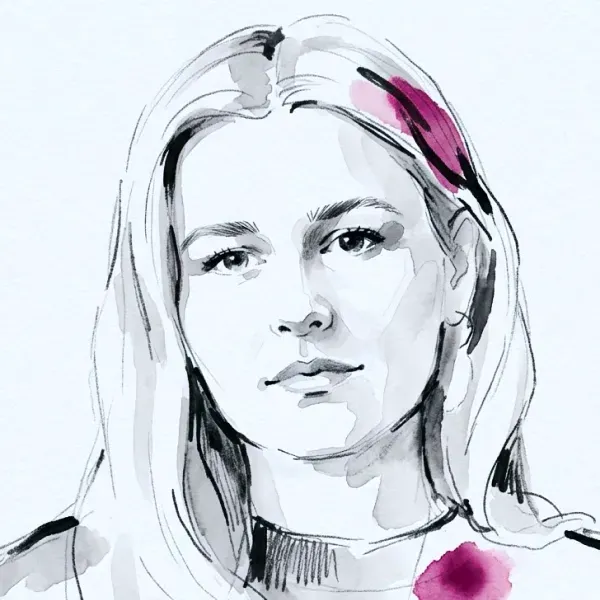
Button TextLaura Lowena-Irons gave Chopova Lowena its first identity through bohemian softness and hand-worked craft.
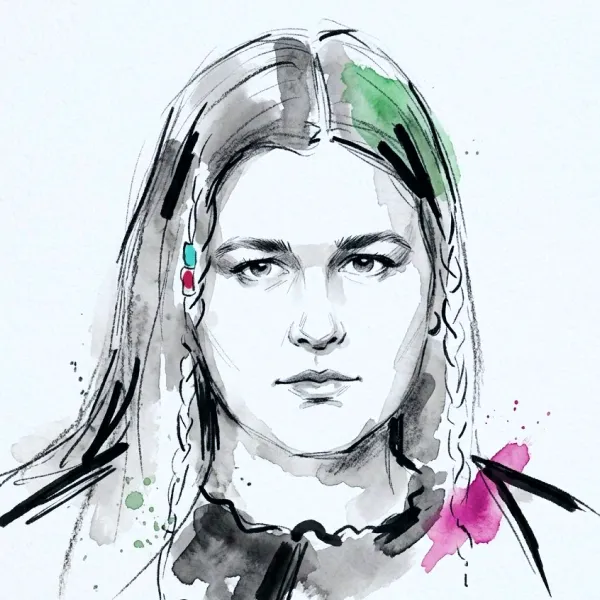
Emma Chopova established the label through film, image and narrative-led brand building.


