


Ferragamo
Overview
Salvatore Ferragamo established his first company in Florence in 1927, dedicating it to the study, creation, manufacture and sale of ladies’ footwear. By 1938 he had opened the first ‘Salvatore Ferragamo’ stores in Florence, Rome and London and a decade later he expanded to New York, introducing Hollywood stars to his inventive designs. During the 1960s the company diversified into leather goods and women’s ready-to-wear, followed by silk accessories in 1971.
Throughout the 1980s and 1990s the brand launched men’s footwear, eyewear and perfumes, establishing a global network of flagship stores across Asia, Europe and the Americas. The label works across ready-to-wear, footwear, leather goods, and accessories. Creative direction is currently led by Maximilian Davis. The house is part of Ferragamo family (majority shareholder). The brand has remained visible within the fashion calendar and related retail networks. Across its core categories, the label has developed a recognisable identity rather than a broad, undifferentiated offer.
Philosophy
Ferragamo’s philosophy centres on combining comfort, craftsmanship and innovation. Salvatore Ferragamo, known as the ‘shoemaker to the stars,’ studied anatomy to design shoes that were as comfortable as they were beautiful. He invented the cork wedge, the invisible sandal and platform heels, and experimented with materials like raffia and fish skin when leather was scarce. The brand continues to honour this legacy, crafting footwear and accessories that blend artisanal techniques with modern technology.
Ferragamo also values family continuity-after the founder’s death in 1960, his wife Wanda and their children expanded the company, and members of the Ferragamo family still play key roles. The house’s timeless designs and commitment to quality ensure that Ferragamo products endure as symbols of Italian elegance and ingenuity. Contradiction remains central, with opposing ideas held together rather than resolved. Material choice and construction are treated as part of the argument, not as secondary finishing touches. Ease, function or wearability remain part of the way those ideas are translated into dress.
Timeline


Disclaimer
Creative timeline
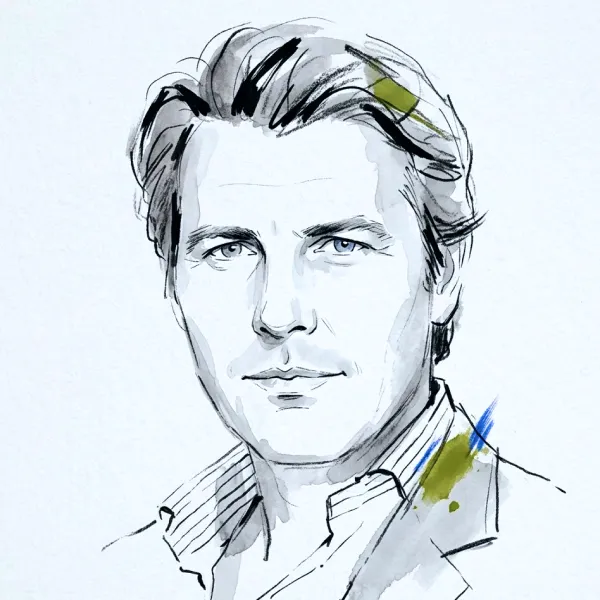
Button TextPaul Andrew pursued a cleaner, technically minded renewal while broadening Ferragamo beyond its footwear legacy.
Massimiliano Giornetti sought to translate Ferragamo’s heritage into a more complete ready-to-wear proposition.
Salvatore Ferragamo established the house’s identity through shoemaking innovation, Italian craft and a quietly cinematic elegance.
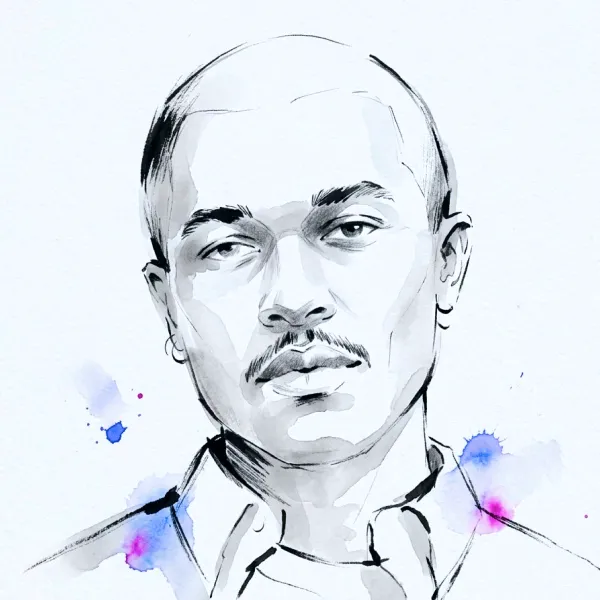
Maximilian Davis is recasting Ferragamo with pared-back sensuality, precision and a younger Mediterranean energy.
Maximilian Davis confirmed Ferragamo’s reset with one of the year’s most decisive debut collections.


