


Ports 1961
Overview
Ports 1961 is described in the row as a Toronto-founded label established in 1961 by Japanese-Canadian entrepreneur Luke Tanabe. The business began as Newport Canada, an import operation, before developing into Ports International and then into a house specialising in luxury women’s and men’s ready-to-wear. The row presents that evolution as a move from trade into brand building, with tailoring and internationalism forming the clearest constants across the company’s history.
In its current form, the label remains focused on ready-to-wear while operating through a more corporate structure: creative direction is attributed to Fabien Baron and ownership to Ports International (Alfred Chan & Edward Tan). The row also notes changes in ownership and partnership over time, suggesting a business that has developed through successive reorganisations rather than through a single uninterrupted house narrative. Even so, the central proposition remains consistent within the evidence provided: a transnational ready-to-wear label built on tailoring, quality materials and an image of mobility and polish.
Philosophy
Ports 1961 is grounded in an idea of cultured, outward-looking elegance. The brand’s own history presents wanderlust, intellect and independence as its defining coordinates, with classic silhouettes opened up to influences gathered from different places rather than locked into a single national code. Tailoring, shirting and daywear staples are treated as vehicles for sophistication, but also for mobility and self-possession, giving the wardrobe a sense of ease without abandoning rigour.
That foundation is typically developed through refinement rather than rupture. Across its storytelling and critical reception, the house returns to the notion of the classic garment subtly reworked: a disciplined coat, shirt or suit shifted through proportion, layering or construction so that familiarity acquires a fresher charge. The result is not theatrical reinvention but thoughtful adjustment, often balancing structure with softness and function with visual intelligence. Even when the references turn architectural or graphic, the emphasis stays on clothes that feel considered, modern and quietly authoritative rather than trend-led.
Timeline

Disclaimer
Creative timeline
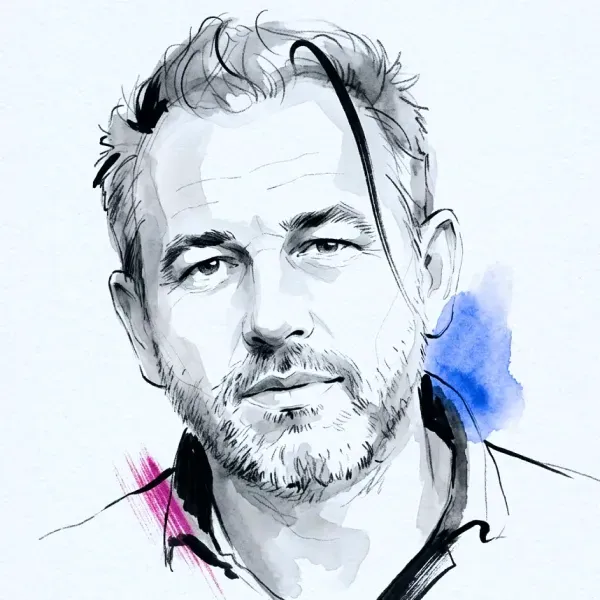
Button TextIn Karl Templer's hands, the label became more closely identified with architectural clarity held in a restrained register.
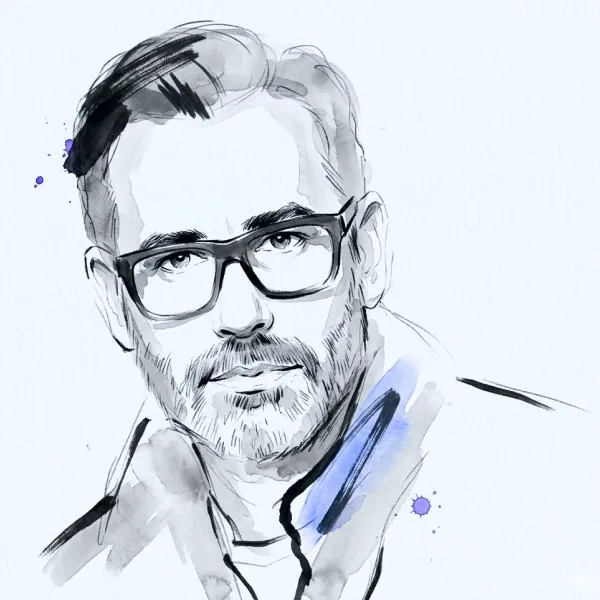
Fabien Baron gives Ports 1961 a multidisciplinary profile shaped by film, image and narrative.
Luke Tanabe used menswear precision and tailored exactness to establish the label's earliest identity.


