

Introduction
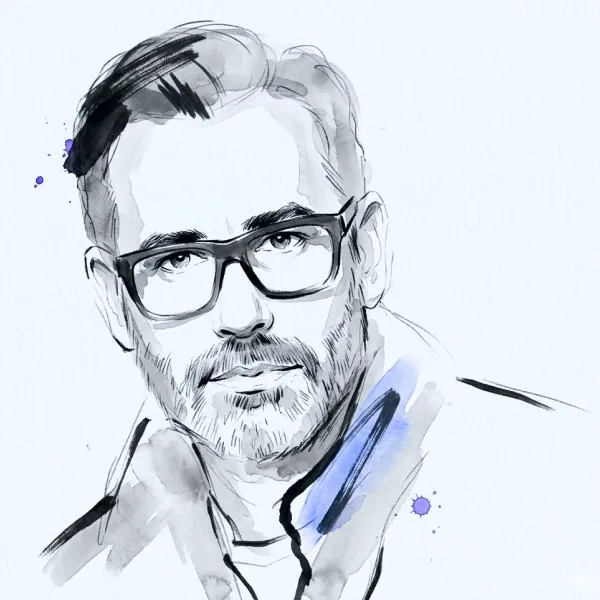
Karl Templer is a London-born stylist and creative director whose work has significantly influenced the visual direction of contemporary fashion. Having served as the long-standing creative director of Interview magazine, Templer has been instrumental in shaping the publication’s cinematic and provocative editorial identity. His career is marked by high-profile collaborations with major houses, including Ports 1961, where he oversaw a refined reimagining of the brand’s minimalist codes. His influence extends through consulting roles for brands such as Sacai, Coach, and Valentino, where he has helped bridge the gap between high-fashion runway concepts and commercial desirability.
Regarded as one of the most powerful image-makers in the industry, Templer is known for his ability to synthesise diverse cultural references into cohesive visual narratives. His work consistently explores the tension between classicism and subversion, making him a critical figure in the development of the modern fashion aesthetic. Through his various leadership roles, he has maintained a reputation for rigorous precision and an uncompromising approach to the craft of styling and art direction.
Design ethos
Karl Templer’s approach is characterised by a preoccupation with the "real" and the "unreal," often blending gritty realism with high-fashion artifice. His styling is defined by a sense of layered complexity, where garments are not merely worn but are used to construct distinct characters and moods. This meticulous attention to detail is evident in his work with brands like Ports 1961 and Sacai, where he emphasises structural innovation and the interplay of textures. He often employs a "maximalist-minimalism," using a restrained palette while experimenting with volume and silhouette to create images that feel both timeless and urgently modern.
The technical aspects of his work involve a deep understanding of garment construction, allowing him to deconstruct and reassemble looks in ways that challenge traditional styling norms. He avoids the purely decorative, preferring an aesthetic that feels grounded in a specific narrative context. By focusing on the architecture of the body and the emotive power of clothes, Templer creates a visual language that prioritises the "moment" over the trend. His work reflects a belief that fashion should be as intellectually engaging as it is visually striking, resulting in images that possess a lasting cultural resonance.
Disclaimer
Career history
2019
In Karl Templer's hands, the label became more closely identified with architectural clarity held in a restrained register.
You’re in
When the archive opens, you’ll be among the first to know.
That’s all.


