


Roberto Cavalli
Overview
Roberto Cavalli founded his namesake house in Florence in 1970, emerging as a definitive pillar of Italian luxury and a global symbol of Mediterranean glamour. The brand achieved rapid international fame for its unique ability to combine feminine romanticism with a bold and often provocative aesthetic, famously introducing a mastery of animal prints, intricate sand-blasted denim, and leather patchworks. Notable for its focus on 'high-octane' luxury and a refusal to adhere to traditional fashion norms, the house has grown over more than five decades into a comprehensive luxury label encompassing ready-to-wear, menswear, and accessories.
Today, the house remains a central force in the industry, continuing to challenge conventional notions of beauty and identity through its diverse collections. The label works across menswear, ready-to-wear, accessories, and denim. Recurring signatures include denim and prints. Creative direction is currently led by Fausto Puglisi. The house is part of Clessidra SGR. Based in Italy, the brand remains a symbol of Italian craftsmanship and creative daring.
Philosophy
The Cavalli worldview is rooted in sensuality and nature as spectacle: animal pattern, vivid colour and body-conscious dress are treated as expressions of confidence and pleasure. Historically, the house framed luxury as exuberant rather than restrained, using print and material invention to heighten glamour and amplify the wearer.
In its current framing, continuity comes through motif and attitude-archive codes revisited and sharpened rather than neutralised. The philosophy privileges freedom over understatement: style as an ecstatic statement, supported by Italian making and a belief that clothing can be openly theatrical, erotic and alive. Even when modern fashion swings toward quieter signals of luxury, Cavalli positions itself as a house where intensity is the point, and where self-expression is known through unapologetic surface and silhouette. Material choice and construction are treated as part of the argument, not as secondary finishing touches. Dress is used to test how identity or role can be recast through styling, cut or bodily presentation.
Timeline

Disclaimer
Creative timeline
Button TextRoberto Cavalli died on April 12, 2024. His work left one of the most recognisable signatures in modern Italian fashion.
Paul Surridge attempted a leaner and more contemporary reset of Cavalli’s exuberant image.
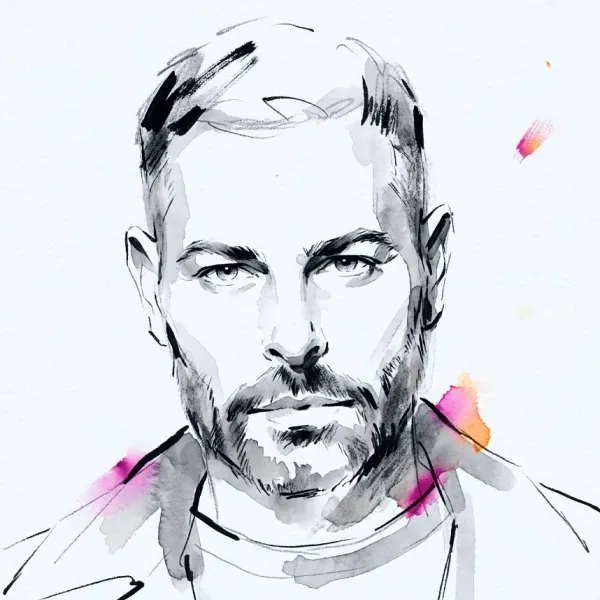
Peter Dundas amplified Roberto Cavalli’s jet-set sensuality with a more overtly red-carpet-ready glamour.
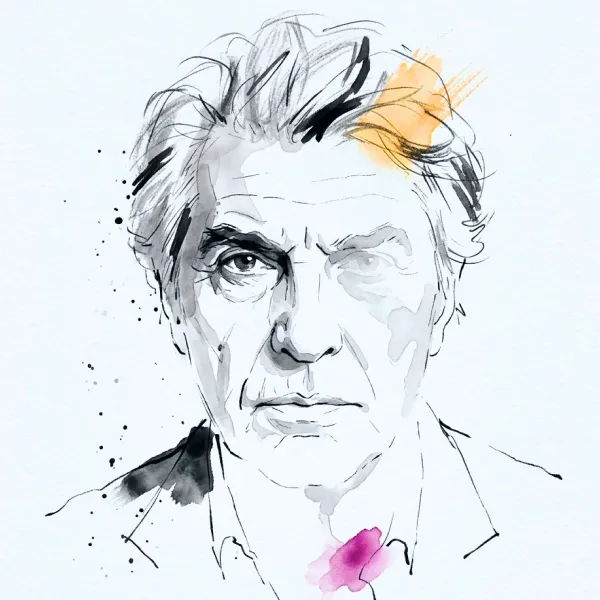
Roberto Cavalli built the house on sensual excess, animalier glamour and a flamboyant treatment of surface.
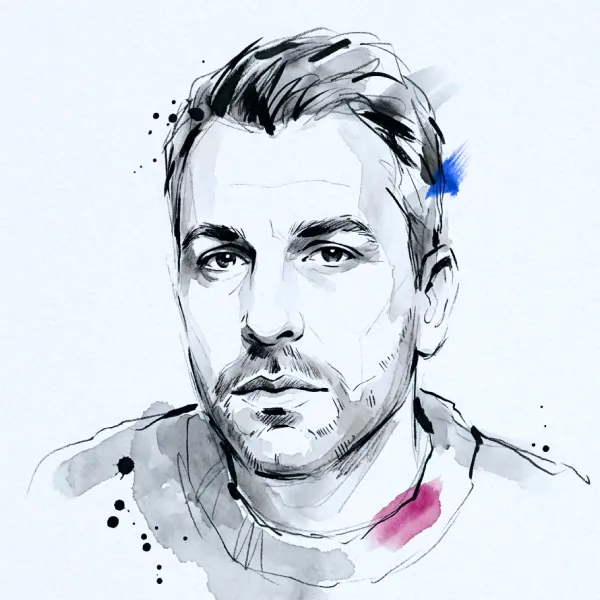
Fausto Puglisi has re-energised Roberto Cavalli with Mediterranean drama, print intensity and renewed archival confidence.


