


Sportmax
Overview
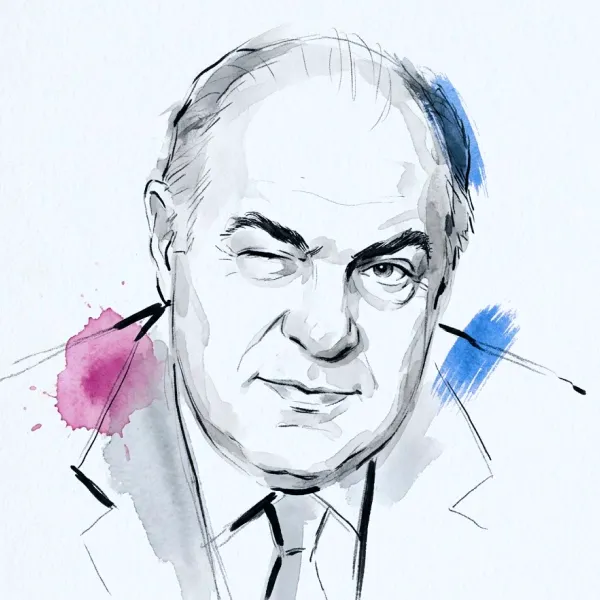
Sportmax was launched in 1969 by Achille Maramotti as a younger, more experimental offshoot of the Max Mara fashion group. Based in Reggio Emilia, the brand was established to capture the emerging energy of the 'swinging London' scene and the shift toward more dynamic, ready-to-wear silhouettes. Over five decades, it has evolved into a definitive runway label known for its focus on precision tailoring, material research, and a forward-looking design sensibility. The label works across ready-to-wear and tailoring.
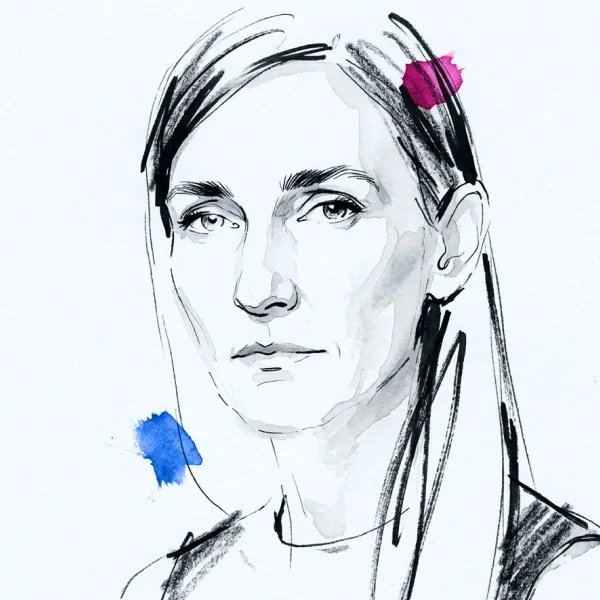
Creative direction is currently led by Grazia Malagoli. The house occupies a specific niche within the luxury market, acting as the more avant-garde sibling to the Max Mara mainline. Today, the brand remains a central presence on the Milan calendar, recognised for its ability to merge industrial garment production with a high-concept, often minimalist, visual language. The brand has remained visible within the fashion calendar and related retail networks. Its development has been shaped by recurring codes in cut, material or proportion.
Philosophy
Technical rigour and material experimentation serve as the primary guides for the house's creative worldview. This manifests in a focus on the structural integrity of the garment, where precision tailoring is used to create sharp, architectural silhouettes. Design decisions are frequently driven by research into new fabrics and construction techniques, ensuring that the clothes maintain a modern, slightly clinical edge while remaining functional.
Recurring themes include a dialogue between athletic utility and high-fashion elegance, expressed through clean lines, innovative seaming, and a palette of neutral, monochromatic tones. There is a persistent emphasis on the purity of form, where unnecessary ornament is removed to highlight the quality of the cut. Balancing its heritage of Italian manufacturing with an ongoing commitment to modernism, the brand creates a sophisticated wardrobe that prioritises clarity, movement, and the enduring relevance of the well-constructed piece. Material choice and construction are treated as part of the argument, not as secondary finishing touches.
Timeline
Disclaimer
Creative timeline
Button TextGrazia Malagoli steered the house through colour-led image-making and surface play, making this phase feel distinct without breaking the brand's line.
Achille Maramotti used material richness and silhouette control to establish the label's earliest identity.


