

Introduction
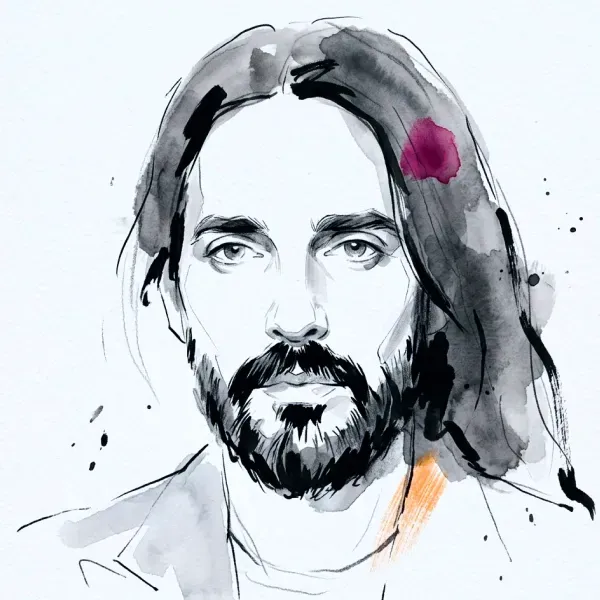
Alessandro Michele is an Italian designer born in Rome in 1972. After training at the Accademia di Costume e di Moda and working at Fendi, he joined Gucci in 2002, first in accessories and later across leather goods, jewellery and the design studio. He was appointed creative director on 21 January 2015 after helping the studio rebuild the men’s Autumn/Winter 2015 collection during an abrupt succession.
At Gucci, Michele combined collections and brand image under one remit. He merged menswear and womenswear presentations, introduced Dionysus and Princetown, worked with Glen Luchford and Christopher Simmonds on a cinematic image system, and developed Gucci Garden, Vault and collaborations spanning GucciGhost, Dapper Dan, Balenciaga, adidas and Harry Styles. He departed in November 2022 and became creative director of Valentino in 2024.
Michele became creative director of Valentino in April 2024 with responsibility for womenswear, menswear, haute couture and Valentino Garavani accessories. Avant Les Débuts established his commercial vocabulary through a 171-look Resort 2025 release before Pavillon des Folies introduced it on the runway. His Valentino tenure has added haute couture, Roman show settings and the technical discipline of Palazzo Mignanelli to the historical assemblage and gender-fluid styling developed at Gucci.
Design ethos
Michele works through assemblage. Embroidery, tailoring, jewellery, vintage dress, religious imagery, popular culture and decorative excess are allowed to coexist, with styling functioning as an integral part of the design. Historical reference becomes a material to be edited, repeated and deliberately misaligned.
His Gucci collections also weakened fixed gender categories through casting, shared wardrobes and the crossing of formal, romantic and everyday codes. Shows and campaigns extended that method into elaborate sets, film and serial narratives, turning the design studio and its supporting image-makers into visible parts of the house’s authorship.
At Valentino, that method is constrained and sharpened by couture craft. Garavani’s 1960s and 1970s archive, Rosso Valentino and the V logo are treated as material for recombination, while the ateliers translate dense references into goldwork, raffia embroidery, controlled drape and highly worked surfaces. More recent collections have also shown a stricter register of hourglass tailoring and reduced embellishment.
Disclaimer
Career history
2024
Valentino announced Alessandro Michele as creative director on 28 March 2024, with responsibility for womenswear, menswear, haute couture and accessories effective 2 April. His appointment introduced a rapid archival and visual reset after Piccioli’s departure.
2022
Gucci announced Alessandro Michele’s departure on 23 November 2022. The decision ended a tenure that had unified collections, image, retail concepts and collaboration under a highly visible creative authorship.
2020
Alessandro Michele announced in May 2020 that Gucci would reduce its fashion calendar to two annual presentations and step away from conventional seasonal naming. The decision shaped Epilogue and GucciFest, though later house schedules again used standard seasons.
2015
Gucci appointed Alessandro Michele creative director on 21 January 2015 with responsibility for all collections and brand image. His tenure joined historical assemblage, gender-fluid styling, new accessories and cinematic campaigns to a rapid expansion of the house’s audience.
1997
Alessandro Michele worked in Fendi’s accessories studio from the late 1990s, developing leather goods within the house’s material and product system before joining Gucci.
You’re in
When the archive opens, you’ll be among the first to know.
That’s all.


