

Introduction
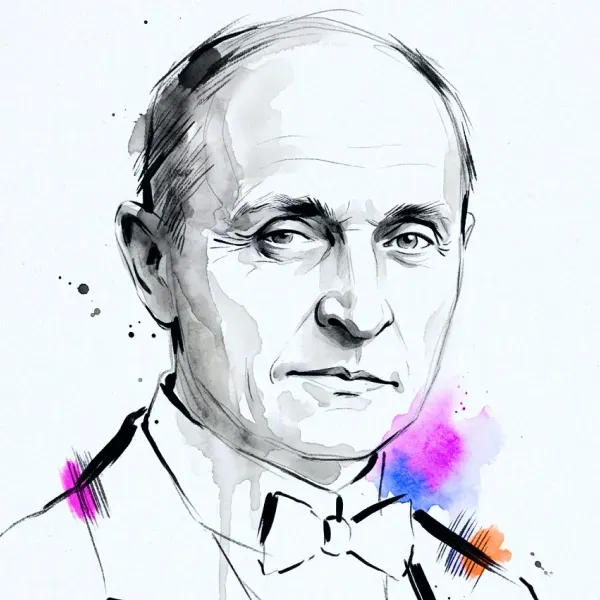
Enrique Loewe Roessberg, born Heinrich Loewe Rössberg in Kassel in 1844, was a German leather craftsman, merchant and the namesake of the Spanish house Loewe. He did not establish the Madrid workshop commemorated by the house’s 1846 date: he acquired and reorganised that existing artisan enterprise in 1872, attaching the Loewe name to its commercial identity.
The partnership was initially recorded as Silva, Loewe, Rivas y compañía. After a later separation from the Spanish partners and a brief association with Federico Schaffer, Roessberg consolidated the business as E. Loewe and moved its workshop and boutique to Calle del Príncipe in 1892. He died in 1929, by which time the second generation had extended the company’s royal patronage and domestic reach.
Design ethos
Roessberg’s contribution was organisational as well as technical. He joined an established network of Madrid leatherworkers and gave its output a single commercial identity, joining German manufacturing discipline to the workshop’s accumulated knowledge of supple leather, small goods and bespoke commissions.
The business operated through a collaborative workshop model, not a solitary-founder structure. Standardisation, reliable construction and a recognisable retail name enabled the business to move from local production towards a family-run luxury house without erasing the Spanish artisans who preceded him.
Disclaimer
Career history
1872
Enrique Loewe Roessberg acquired and reorganised the existing Madrid workshop in 1872, giving the commercial enterprise the Loewe name. This namesake foundation followed the unidentified artisan collective established in 1846.
You’re in
When the archive opens, you’ll be among the first to know.
That’s all.


