

Introduction
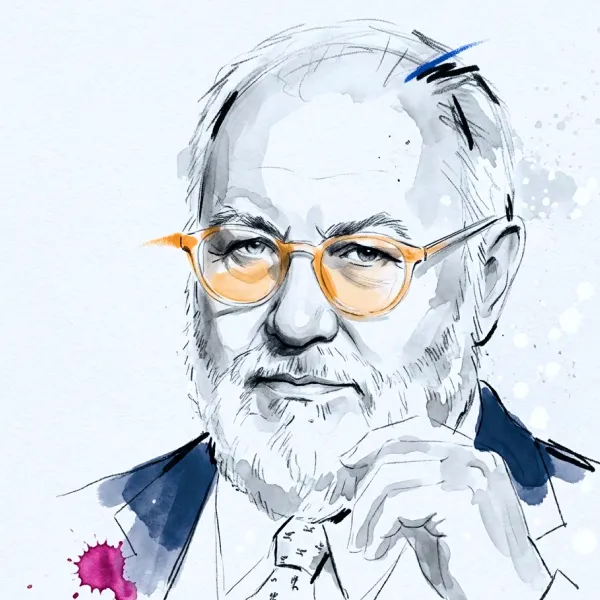
Gianfranco Ferré was an Italian designer trained in architecture who founded his own label in 1978 and joined Christian Dior in 1989 as Marc Bohan’s successor. His first Dior haute couture collection, shown during the July 1989 couture season, received the Dé d’Or. Ferré continued to operate his Milan business while leading Dior, so the two bodies of work remained institutionally distinct.
At Dior he brought a formal, architectonic reading to the Bar jacket, the white shirt and ceremonious couture volume. His tenure also produced the bag designed in 1994 that became Lady Dior after its association with Diana, Princess of Wales. Ferré’s exit was publicly under way in 1996, and John Galliano succeeded him that October; the exact season-level boundary should remain cautious because later summaries conflict over Spring 1997 authorship.
Design ethos
Ferré treated clothing as a constructed space around the body. Broad volume, decisive collars, sculpted sleeves and disciplined tailoring gave his work a monumental scale, while the white shirt became a recurring test of proportion, fabric and movement across his independent label and Dior.
At Dior this architectural method intensified house codes without copying them literally. The Bar jacket became more ceremonious, historical quotation was controlled through cut, and ornament sat on a clear structural base. His strongest work balanced Italian material confidence with the protocols of French couture, making formal grandeur depend on construction rather than surface excess alone.
Disclaimer
Career history
1996
Gianfranco Ferré’s Dior tenure ended as John Galliano moved from Givenchy to the house in October 1996. The broad succession is verified, while the exact Spring 1997 season boundary remains source-conflicted.
1994
Gianfranco Ferré designed the bag first known as Chouchou or Princesse in 1994. Its association with Diana, Princess of Wales, and later Lady Dior name turned it into one of the house’s durable accessory systems.
1989
Gianfranco Ferré’s first Dior haute couture collection received the Dé d’Or during the July 1989 couture season. The award gave immediate institutional recognition to the house’s first Italian creative leader.
1989
Gianfranco Ferré brought an architectonic treatment of tailoring, shirts and couture volume to Dior. His 1989 debut received the Dé d’Or, and the tenure also produced the design that became Lady Dior.
You’re in
When the archive opens, you’ll be among the first to know.
That’s all.


