
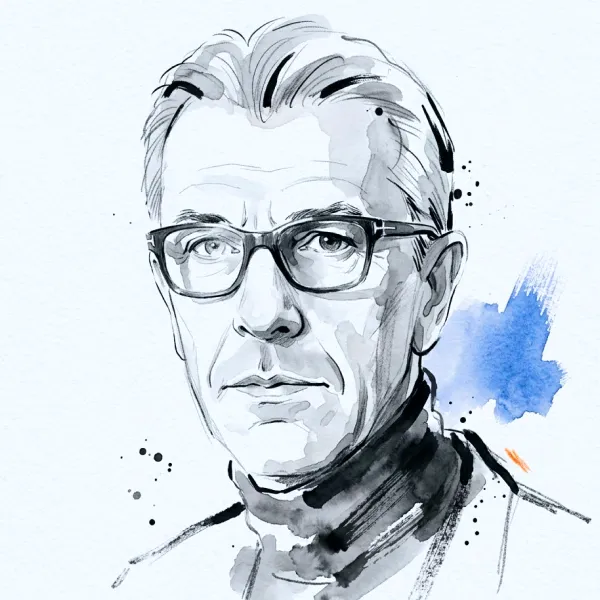
Introduction
Laurent Mercier is a French designer and couturier whose work is defined by a high degree of theatricality and artisanal complexity. He rose to prominence through nearly a decade of collaboration with Jean Paul Gaultier before being appointed as the creative director of Balmain in 2002. His tenure at Balmain, along with his own independent couture line, highlighted his ability to create garments that function as both fashion and performance art, often bridging the gap between historical costume and contemporary luxury.
Mercier matters as a designer who sustained the tradition of high-octane glamour during a period of increasing commercialization in the industry. His work is recognized for its uncompromising commitment to embellishment and the celebration of the female body through rigorous construction. He continues to be a significant figure for those interested in the intersection of cinematic drama and haute couture, representing a more expressive and flamboyant era of Parisian fashion leadership.
Design ethos
High-octane glamour and cinematic theatricality govern a design language that focuses on intricate corsetry and silhouettes that celebrate the body's natural form. The work frequently references operatic and historical themes, utilizing dramatic volumes and heavy embroidery to create a sense of performative luxury. Every garment is treated as a narrative object, where the scale of the ornament and the complexity of the construction contribute to a sense of visual drama. This approach prioritizes an expressive and flamboyant aesthetic over the restraint of modern minimalism.
Construction signals appear through the rigorous internal structures of the garments, particularly the use of traditional boning and stays to achieve a heightened silhouette. Materiality is handled with a focus on high-shine and heavily textured fabrics that capture the light and emphasize the theatrical intent of the piece. Proportion is often exaggerated to create a sense of stature and ceremonial presence. By integrating motifs from historical costume into a contemporary high-fashion context, the output achieves a balanced aesthetic that values the transformative power of the dressed form and the artisanal mastery of decorative detail.
Disclaimer
Career history
You’re in
When the archive opens, you’ll be among the first to know.
That’s all.