

Introduction
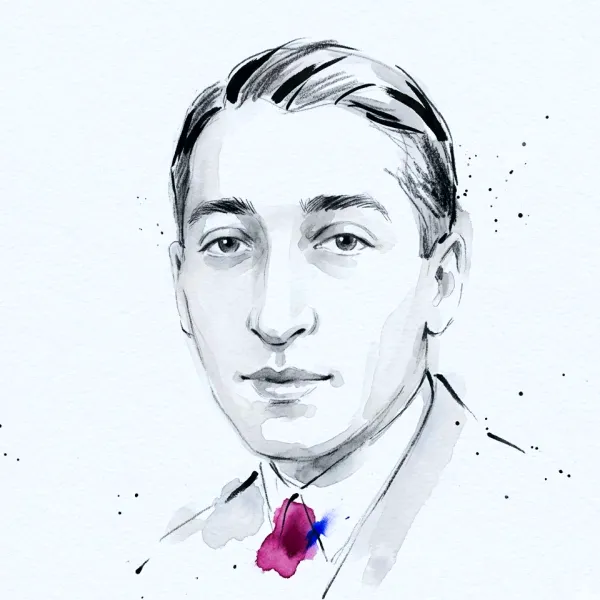
René Lacoste was a legendary French tennis champion and the founder of the iconic Lacoste brand, established in 1933. Nicknamed 'The Crocodile' for his tenacity on the court, he transitioned from a successful athletic career to becoming a transformative figure in the fashion industry. He is most famously credited with creating the first cotton piqué polo shirt, a design that revolutionized sportswear by providing a breathable and functional alternative to the stiff shirts of the era. His role as an innovator bridged the gap between professional sports and modern leisurewear, leaving an indelible mark on global fashion history.
His influence extended beyond the court, as he built a brand that became a symbol of sophisticated, athletic elegance. Lacoste’s role was defined by his ability to translate the requirements of high-performance athletics into a versatile everyday wardrobe. By introducing the embroidered crocodile logo, he also pioneered the concept of visible branding on the exterior of a garment. He remains a pivotal figure for his role in modernizing sports attire and establishing a timeless aesthetic of functional luxury.
Design ethos
Functional elegance, comfort, and performance lie at the core of René Lacoste’s design philosophy. His approach was fundamentally problem-solving, driven by a desire to improve the utility of athletic apparel without sacrificing aesthetic appeal. He championed clean, athletic lines and the versatility of the polo shirt, proposing a design language that was as much about the ease of movement as it was about visual restraint. This focus on practicality was achieved through the use of innovative materials, such as the lightweight cotton piqué, which offered superior breathability and durability compared to traditional woven fabrics. By prioritising the needs of the wearer, he created a new vocabulary for modern sportswear.
His design legacy is centered on the seamless integration of sports utility with sophisticated leisurewear and iconic branding. He frequently utilized simple, monochromatic palettes and a restrained silhouette to highlight the functional clarity of his designs, ensuring they remained relevant both on and off the court. This methodology rejects unnecessary ornament in favour of a more athletic and purposeful aesthetic that celebrates the physical form. By focusing on the intersection of performance and style, he signals a commitment to a design ethos that values the precise execution of functional form. This dedication to material innovation and athletic elegance remains a primary signal in the brand's continued identity, prioritising comfort as a fundamental element of luxury.
Disclaimer
Career history
1933
Rene Lacoste defined the label through sportswear pragmatism with a luxury finish.
You’re in
When the archive opens, you’ll be among the first to know.
That’s all.


