

Introduction
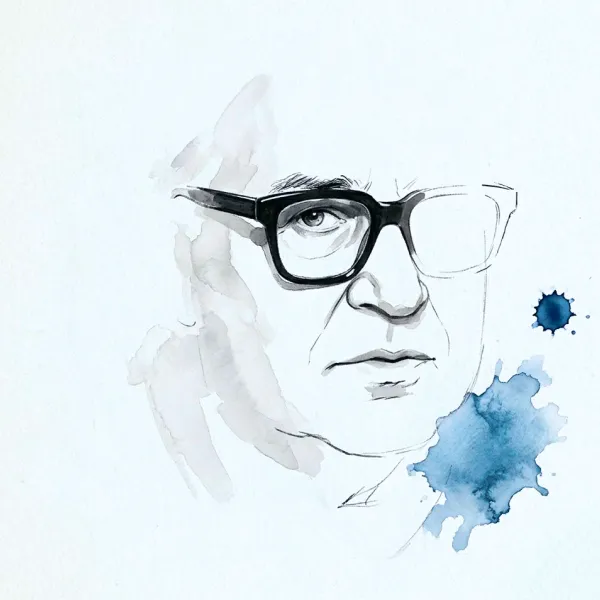
Vittorio Pollini was a foundational Italian shoemaker and co-founder of the Pollini brand, a label that played a central role in the global expansion of Italian leather goods. Alongside his siblings, he was instrumental in establishing the San Mauro Pascoli district as a premier international hub for high-quality footwear manufacturing. Under his guidance, the brand rose to significant international prominence during the 1950s and 1960s, becoming synonymous with the excellence of the 'Made in Italy' tradition.
Pollini’s legacy is defined by his contribution to the professionalisation and industrial scale of artisanal craft. By combining traditional methods with emerging industrial techniques, he helped transform a family-run enterprise into a globally recognised luxury house. His work helped define the golden age of Italian footwear, securing his position as a pioneer of the Adriatic shoe-making region.
Design ethos
Artisan craftsmanship serves as the core of Vittorio Pollini's design output, specifically through the industrialisation of traditional Italian shoemaking techniques. The primary concern of his work was the creation of the 'day-long' shoe, a concept that balanced exceptional durability with an elegant, refined aesthetic. This focus led to the development of footwear that could withstand regular use without sacrificing the sophisticated leatherwork expected of a luxury product.
The brand's aesthetic signals are most clearly found in its heritage 'Cavaliere' boots and the specific application of meticulous top-stitching techniques. Construction was based on a deep understanding of leather as a material, ensuring that ornament remained secondary to structural integrity. By prioritising utility and comfort alongside aesthetic polish, Pollini established a standard of restraint and quality that defined the house's identity for decades, creating products that felt both timeless and functionally superior.
Disclaimer
Career history
1953
Vittorio Pollini established the label through commercial growth organised on a larger scale.
You’re in
When the archive opens, you’ll be among the first to know.
That’s all.


