

7 For All Mankind
Overview
7 For All Mankind is a Los Angeles premium-denim brand founded in autumn 2000 by Michael Glasser, Peter Koral and Jerome Dahan. It began with women’s jeans developed around elevated fabrics, wash treatments and fitted silhouettes, including bootcut styles marked by an embroidered back-pocket squiggle. The brand emerged alongside a wider group of Los Angeles labels that moved jeans into the contemporary designer market, helping premium denim reach department stores, specialist boutiques and a celebrity-led international audience.
The offer expanded into menswear around 2002, later adding children’s denim and a broader wardrobe of jackets, tops, dresses and accessories. VF Corporation acquired the company in 2007 and placed it within its Contemporary Brands portfolio. Delta Galil Industries acquired 7 For All Mankind in 2016 and continues to operate it within a premium-brands structure while maintaining the label’s distinct retail and product identity.
In December 2025, Nicola Brognano became creative director, introducing a more visible designer-led programme. His Autumn/Winter 2026 collection, presented in New York in February 2026, was the brand’s first full runway show. The project returned to skinny and bootcut proportions, pronounced washes and early-2000s styling while extending the house beyond jeans into a coordinated ready-to-wear proposition.
Philosophy
7 For All Mankind’s design language begins with denim as a system of fit, fabric and finish. Wash depth, stretch, rise and leg shape alter how a pair of jeans sits on the body, while pocket construction and the recurring squiggle provide recognition without relying on a large surface logo. The early bootcut and flare models treated jeans as a status product whose value rested on cut and material development as much as branding.
The label’s Los Angeles identity is expressed through casual clothes engineered for polish rather than through a fixed regional costume. Softened denim, controlled fading and body-conscious fits translate workwear material into an upscale wardrobe, supported by jackets, shirting, knitwear and other pieces that keep denim at the centre of the product architecture.
Under Brognano, the same archive is being reconsidered through runway styling. Low rises, elongated legs, narrow silhouettes and conspicuous washes refer to the brand’s early-2000s visibility, but they are arranged within a wider fashion collection rather than presented only as isolated jeans fits. The shift broadens the image of the brand without displacing denim as its principal material and commercial anchor.
Timeline

Disclaimer
Creative timeline
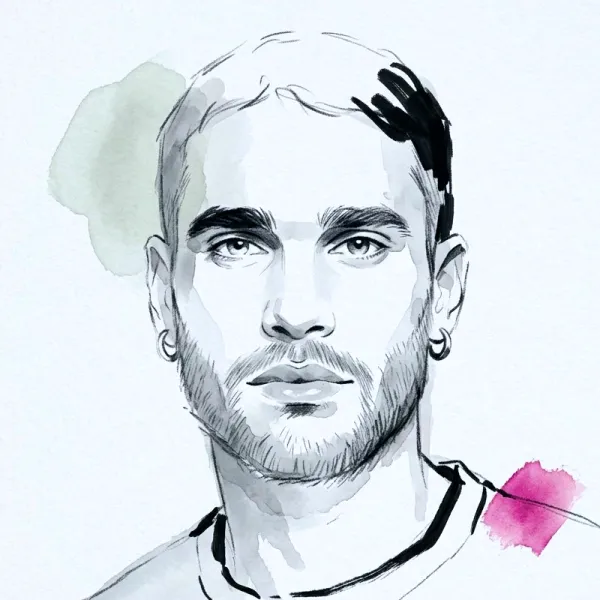
Button Text7 For All Mankind appointed Nicola Brognano creative director, introducing a named designer-led programme focused on denim, ready-to-wear and a more visible seasonal image.
Delta Galil Industries acquired 7 For All Mankind from VF Corporation in 2016 as part of a portfolio that also included Splendid and Ella Moss. The brand subsequently operated within Delta Galil’s premium-brands structure.
VF Corporation completed its acquisition of Seven For All Mankind LLC on 31 August 2007. The brand became a foundation of VF’s new Contemporary Brands portfolio after its rapid growth in premium denim.
Around 2005, the brand introduced a children’s denim category for boys and girls, extending the premium-jeans proposition beyond its adult lines.
Around 2002, 7 For All Mankind extended its women’s premium-denim model into menswear, applying its fit, wash and fabric system to men’s jeans and later ready-to-wear.
Michael Glasser, Peter Koral and Jerome Dahan launched 7 For All Mankind in Los Angeles in autumn 2000. The company began with women’s premium jeans built around fabric, wash and fit development.
7 For All Mankind divisions and related structures
The brand operates through product categories within one main label rather than through separate diffusion brands.
Product divisions
- Women’s denim and ready-to-wear
- Core line since 2000
- The founding category combines jeans organised by fit, rise, wash and fabric with jackets, dresses, tops and other denim-led wardrobe pieces.
- Men’s denim and ready-to-wear
- Introduced around 2002
- The menswear offer extends the same fit-and-wash system across jeans, jackets, shirts and casual separates.
- Children’s denim
- Historical category introduced around 2005
- A children’s denim collection extended the premium-jeans proposition to boys and girls; its later continuity is less fully documented than the adult lines.


