


Nina Ricci
Overview
Maria ‘Nina’ Ricci established her historic French house in Paris in 1932 alongside her son Robert. While the fashion side flourished with refined eveningwear, the brand achieved global fame through its fragrance division, notably with the 1948 launch of L’Air du Temps. Today, the house remains a significant name within the Puig group. The 2023 appointment of Harris Reed marked a shift toward a more dramatic, gender-fluid interpretation of the house’s codes. The label works across fragrance.
The house quickly became a pillar of the couture world, known for its mastery of draping and its romantic silhouettes. Over several decades, Nina Ricci has navigated various creative transitions to reconcile its heritage with modern relevance. The brand has remained visible within the fashion calendar and related retail networks. Its development has been shaped by recurring codes in cut, material or proportion. Changes in ownership or partnership have formed part of that development over time.
Philosophy
Romanticism remains the house’s core creative focus, expressed through the art of the drape where fabric is manipulated to enhance the natural form. This tradition is maintained through a delicate handling of materials such as lace, silk, and organza, often accented with intricate floral motifs. The aesthetic is defined by a sense of light and movement, prioritising elegance and a refined sensory experience over stark minimalism or aggressive structuralism.
Under current direction, the brand’s vocabulary has expanded to include bold, sculptural volumes and a theatrical approach to femininity. The tension between historical delicacy and modern spectacle is explored through exaggerated proportions and sweeping trains that borrow from couture traditions. This evolution maintains the house’s emphasis on craftsmanship while pushing the boundaries of identity, ensuring that the expression of romance remains both technically rigorous and conceptually expansive. Narrative and cultural reference operate here as structuring devices rather than decorative afterthoughts. Contradiction remains central, with opposing ideas held together rather than resolved.
Timeline
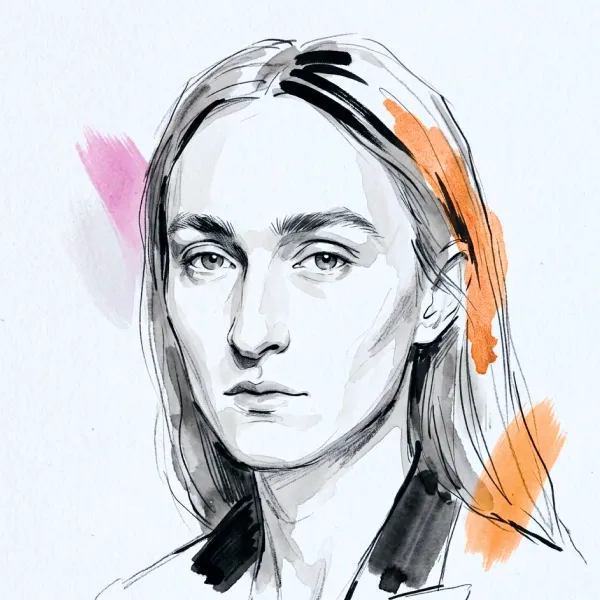
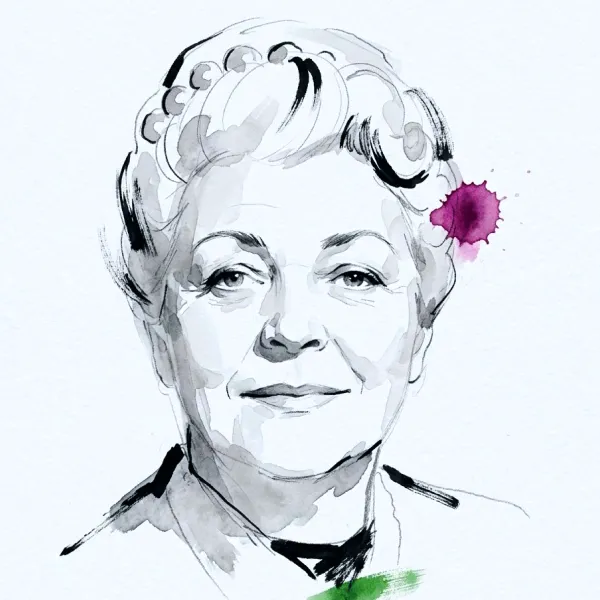
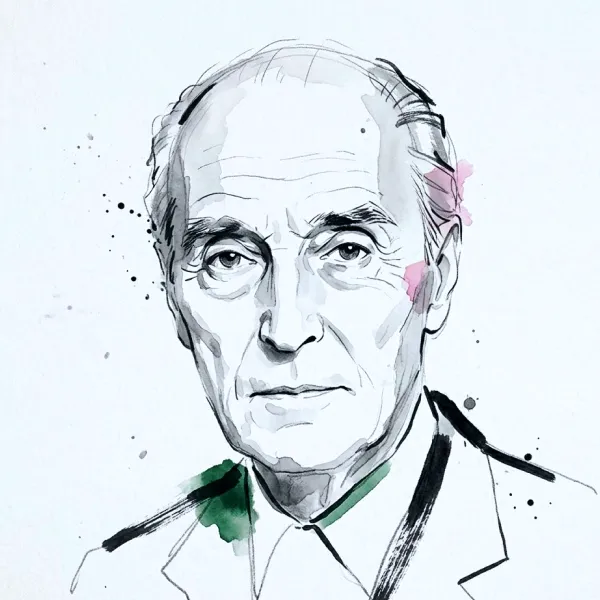
Disclaimer
Creative timeline
Button TextNina Ricci has no named creative director after Harris Reed departed for his own label, Harris Reed.
Harris Reed presented his first Nina Ricci collection in Paris.
The label emerged under Robert Ricci as a fashion project inseparable from film, image and narrative.
Maria Ricci built the label around surface-rich glamour balanced by tailored control.
Harris Reed steered the house through brand-building through film, image and narrative, making this phase feel distinct without breaking the brand's line.


