


Versace
Overview
Versace is an Italian fashion house launched in Milan in 1978 by Gianni Versace after he had worked through the industrial ready-to-wear network around Florentine Flowers, Genny, Callaghan and Complice. The first independent women’s presentation took place at Palazzo della Permanente in March 1978, followed by menswear in September. During the founder period the house expanded through accessories, fragrance, metal-mesh development, theatre and dance costume, the Istante, Versus and Versace Jeans Couture lines, a Paris couture programme and Versace Home.
Gianni Versace joined classical imagery, body-conscious cutting, tailoring, vivid print, leather, metal mesh and celebrity culture to a tightly controlled image system. After his death in July 1997, Donatella Versace became the house’s creative leader while Santo Versace retained business and governance authority and Allegra Versace Beck inherited Gianni’s controlling family stake. Donatella rebuilt the house through mainline, Atelier, campaigns and accessories, later reviving Versus and returning Atelier to the Paris runway. Her period also included the Spring 2000 jungle collection, the 2011 H&M collaboration, Tribute, Fendace and La Vacanza.
Blackstone took a minority interest in 2014. Capri Holdings completed its acquisition in December 2018, ending family control, and Prada Group completed its purchase on 2 December 2025. Donatella moved from Chief Creative Officer to Chief Brand Ambassador on 1 April 2025. Dario Vitale served as Chief Creative Officer from April to December 2025 and presented one collection, Spring/Summer 2026. Pieter Mulier became Chief Creative Officer on 1 July 2026; no Mulier-authored Versace collection had appeared by the 14 July research cutoff.
Philosophy
Versace treats clothing as a public construction of the body. Cut, exposure, corsetry, tailoring and engineered surface determine how the wearer is framed, while Greek-key borders, the Medusa, baroque ornament, animal print and saturated colour turn individual garments into a recognisable visual system. The strongest work controls excess through structure rather than treating decoration as an independent layer.
Gianni Versace moved between classical art, contemporary image culture, music, dance and nightlife. His work joined specialist manufacture—most visibly the development of drapable metal mesh—with a campaign and runway apparatus built through photographers, models, musicians and performance collaborators. Donatella retained those codes but redirected them through celebrity campaigns, sharper contemporary styling, digital circulation and a broader commercial wardrobe spanning daywear, eveningwear, accessories and licensed categories.
The house’s authorship is distributed. A chief creative officer sets direction, while internal studios, ateliers, photographers, stylists, show producers and category licensees hold distinct responsibilities. That separation matters particularly in couture, eyewear, fragrance, watches and home, where a Versace image or approval does not establish that one creative director personally designed or engineered every object.
Timeline
Disclaimer
Creative timeline
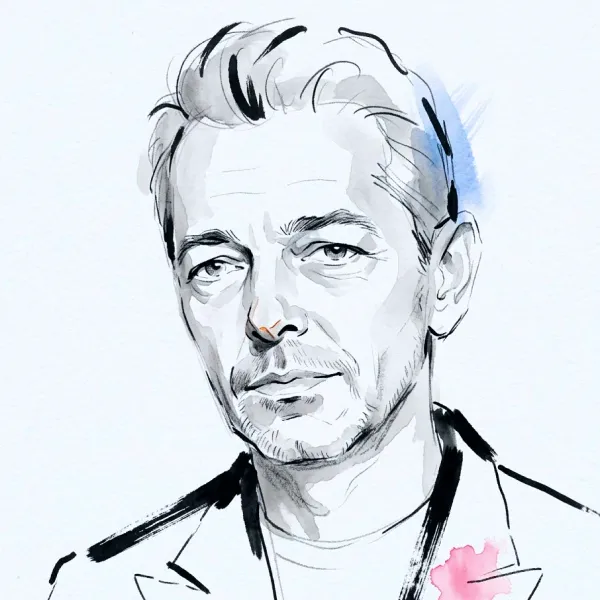
Button TextPieter Mulier became Chief Creative Officer of Versace on 1 July 2026 under Prada Group. No Mulier-authored collection had been released by the 14 July research cutoff.
Versace announced on 4 December 2025 that Dario Vitale would leave by mutual decision, with his departure effective on 12 December.
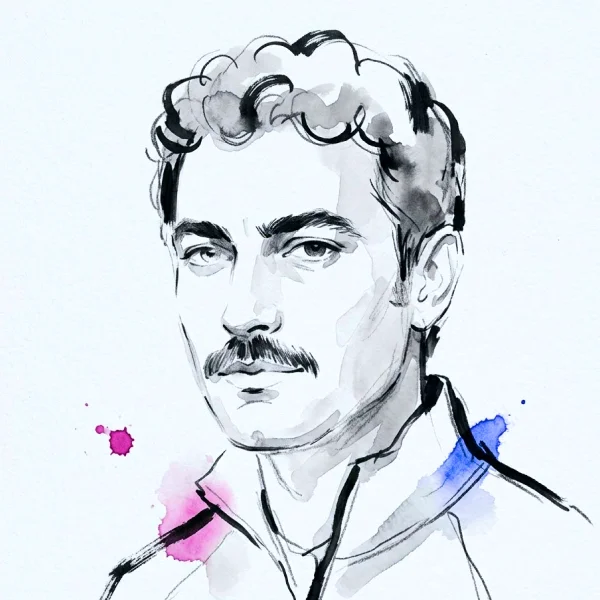
Dario Vitale served as Versace Chief Creative Officer from 1 April to 12 December 2025, becoming the first non-family appointee to the house-wide top creative role and presenting one collection.
Versace announced on 13 March 2025 that Donatella Versace would leave the Chief Creative Officer role and become Chief Brand Ambassador effective 1 April.
Donatella Versace was publicly designated chief designer on 18 September 1997 and led the house through succession, reconstruction and global expansion until her Chief Creative Officer authority ended on 31 March 2025.
Gianni Versace launched the independent house in Milan in 1978 and remained its founder and principal creative author until his death on 15 July 1997.
Versace divisions and related structures
Versace has operated couture, youth, jeans, bridge, children’s, home and licensed-product programmes through distinct structures rather than a single diffusion hierarchy.
Fashion divisions and lines
- Atelier Versace
- couture and custom division
- Paris couture presentations were active by 1989. Regular runway appearances ended in 2004, returned in 2012 and shifted to private-client events after 2016 while custom production continued.
- Istante
- secondary line
- Founded in 1985, Istante formed part of the founder-era line architecture; its authorship structure and final operating season remain unresolved.
- Versus Versace
- youth and diffusion division
- Public by 1989 through the Ittierre system, Versus was associated with Donatella Versace, discontinued in 2005, revived from 2009 and absorbed into Versace Jeans in 2018.
- Versace Jeans Couture
- licensed jeans and contemporary line
- Active from 1989 through several industrial partners, the line entered wind-down after an October 2024 termination decision and was publicly described as discontinued in 2026.
- Versace Classic V2, Versace Collezioni and Versace Collection
- bridge-line architecture
- The names identify related but not fully reconciled historical programmes; Versace Collection was phased out during the 2018 line consolidation.
- Versace Young, Young Versace and Versace Children
- childrenswear programme
- An earlier Versace Young line ended in 2004; Young Versace returned for Spring 2012, while current product uses broader children’s terminology.
Home and licensed categories
- Versace Home
- home and interiors programme
- Established in 1992, the programme spans textiles, furniture, decorative objects and interiors through category-specific partners.
- Eyewear, fragrance, watches and writing instruments
- licensed product programmes
- Modern partners include EssilorLuxottica, EuroItalia and Vertime; these relationships combine house direction with external engineering, production and distribution.
Versace collaborations
Versace’s collaborations range from technical material development and performance costume to licensed manufacturing, guest-designed collections and institutional exhibitions.
Materials, performance and image
- Friedrich Münch
- metal mesh, 1982–84
- Gianni Versace worked with the German specialist to adapt metal mesh for drape, colour and fashion construction; the resulting material became central to the house vocabulary.
- Maurice Béjart and Robert Wilson
- dance, opera and theatre
- Founder-era costume programmes joined Versace design to theatre workshops, jewellery makers, technical assistants and performance institutions.
- Richard Avedon
- campaign photography, 1979–98
- Avedon’s long campaign relationship helped establish the house’s public image system across founder and early Donatella periods.
Fashion and product
- Rosenthal meets Versace
- tableware, from 1992
- The partnership began under Gianni Versace, with the first Medusa tableware appearing in 1993.
- Versace for H&M
- 2011 retail collaboration
- Donatella Versace designed women’s, men’s and selected home products for a global one-season release.
- Versus guest projects
- 2013–17
- J.W. Anderson, M.I.A., Anthony Vaccarello and Zayn Malik entered through distinct guest or co-designed projects rather than one continuing collective role.
- Kith x Versace
- 2019
- The temporary women’s and men’s collaboration combined Versace house codes with Kith’s product and distribution system.
- Fendace / The Swap
- 2021 role swap
- Kim Jones designed Versace by Fendi and Donatella Versace designed Fendi by Versace, requiring direction-specific collection credits.
- La Vacanza
- 2023 co-designed collection
- Donatella Versace and Dua Lipa co-designed the see-now-buy-now collection presented on the French Riviera.


