

Introduction
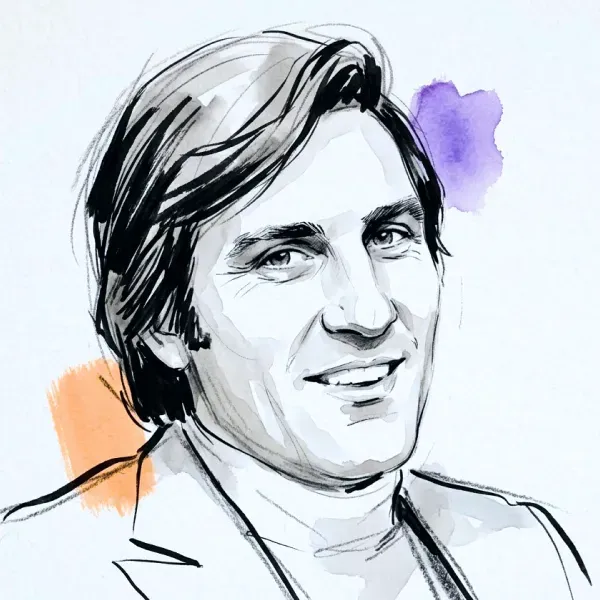
Emanuel Ungaro was a French couturier of Italian descent who founded his eponymous house in 1965. Having apprenticed under Cristóbal Balenciaga, Ungaro became a central figure in the avant-garde 'Space Age' movement of the 1960s, gaining international acclaim for his geometric, future-oriented designs. Throughout his career, he was celebrated as one of the last grand couturiers of the twentieth century, dressing cultural icons such as Catherine Deneuve and Jackie Kennedy.
His influence on the Parisian fashion landscape was marked by a shift from the structured silhouettes of his mentors towards a more fluid and exuberant mode of dress. Before his retirement in 2005, Ungaro successfully established a brand identity synonymous with flamboyant French luxury and technical precision. His legacy remains defined by a lifelong dedication to the craft of couture and a distinctive ability to merge high-fashion rigour with a palpable sense of joy.
Design ethos
Ungaro’s creative approach was defined by a rejection of the 'sad' and 'boring,' favouring a flamboyant aesthetic that he described as a 'sensual obsession.' His work is instantly recognisable for its vibrant colour clashes and the exuberant mixing of bold, unexpected prints. This visual energy was underpinned by a mastery of fluid draping, which allowed the body to move with a sense of freedom and seductive intent. His designs consistently sought to celebrate femininity through an unapologetic use of texture and pattern.
His formal concerns transitioned from the structured, geometric rigour of the 1960s Space Age to a more voluminous and romantic silhouette in later years. He frequently employed Edwardian-inspired details, such as intricate ruching, shirring, and layered fabrics, to create garments that were both technically complex and visually opulent. By prioritising the power of seduction and the tactile quality of textiles, Ungaro created a design language that balanced the discipline of high couture with a restless, avant-garde spirit.
Disclaimer
Career history
1965
At the outset, Emanuel Ungaro used the label to establish print, surface and textile development.
You’re in
When the archive opens, you’ll be among the first to know.
That’s all.


