

Emanuel Ungaro
Overview
French designer Emanuel Ungaro established his namesake house in Paris in 1965 after apprenticing with Cristobal Balenciaga. Ungaro’s couture and ready-to-wear lines captivated women seeking expressive elegance, and the house later expanded into menswear, accessories and fragrance. Following Ungaro’s retirement and a succession of designers, the house entered a new era in 2021 when Kobi Halperin was appointed artistic director of womenswear and Philippe Paubert took over menswear. Today the brand continues to offer luxury ready-to-wear and fragrance collections through select boutiques and retailers worldwide.
The label works across womenswear, menswear, ready-to-wear, and accessories. Creative direction is currently led by Kobi Halperin (women). He opened his atelier on Avenue Montaigne in 1967, building a reputation for fluid draping, sensual silhouettes and daring combinations of colour, print and embellishment. The duo reinterprets Ungaro’s archival codes through contemporary lenses, reinforcing the house’s signature exuberance while refining silhouettes for modern clientele. The brand has remained visible within the fashion calendar and related retail networks.
Philosophy
Emanuel Ungaro’s philosophy celebrates bold femininity expressed through sumptuous fabrics, intricate draping and a vibrant palette. The house became synonymous with flamboyant prints, sensual cuts and a flair for theatrical colour combinations, encouraging women to embrace individuality and confidence.
Under Kobi Halperin and Philippe Paubert, this spirit endures as they fuse heritage and modernity. They draw on Ungaro’s archives to craft pieces that balance fluidity with structure and ornamentation with restraint, ensuring that each garment feels both celebratory and wearable. The house remains dedicated to artisanal craftsmanship and joyful expression. Contradiction remains central, with opposing ideas held together rather than resolved. Material choice and construction are treated as part of the argument, not as secondary finishing touches. Dress is used to test how identity or role can be recast through styling, cut or bodily presentation. Glamour is positioned as an active force, used to heighten presence, performance and self-presentation. Clothing is framed as a means of projection and performance rather than as passive decoration.
Timeline
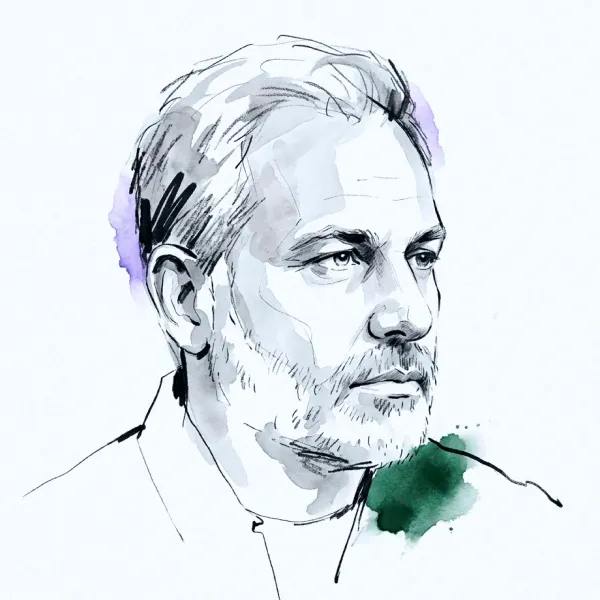

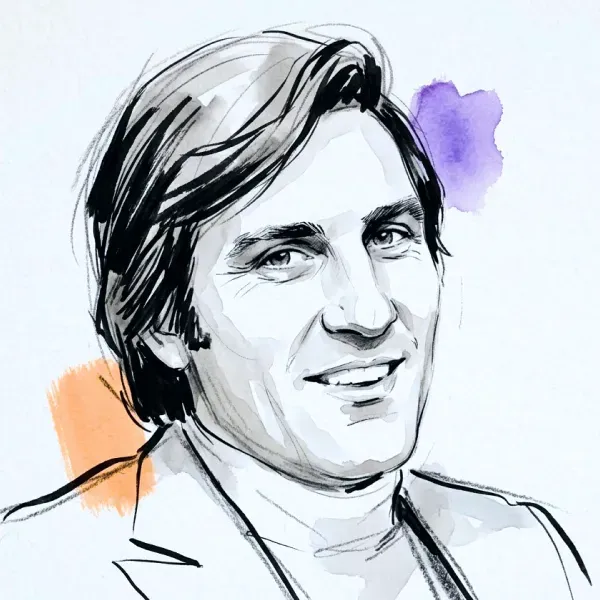
Disclaimer
Creative timeline
Button TextAt the outset, Emanuel Ungaro used the label to establish print, surface and textile development.
Philippe Paubert treated colour used as a structural part of the image as the mechanism for renewing the brand.
Kobi Halperin treated textile development pushed through print and surface as the mechanism for renewing the brand.


