

Introduction
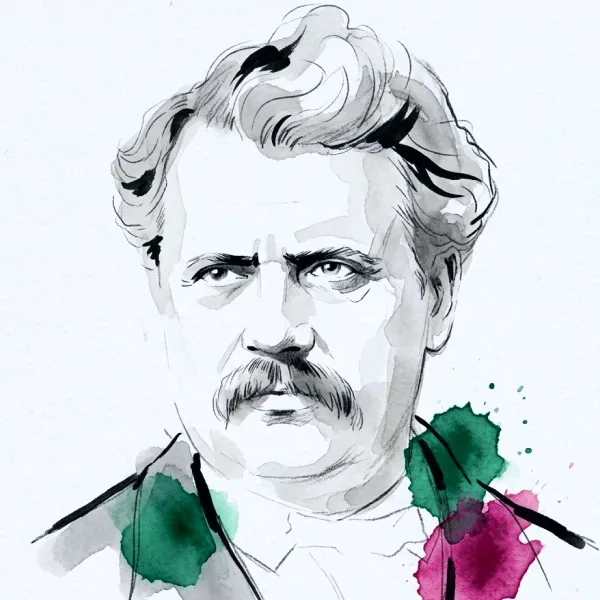
Louis Vuitton was a transformative French designer and trunk-maker who founded his namesake brand in 1854, laying the foundation for the modern luxury luggage industry. Rising from an apprenticeship in Paris, he became the luggage supplier to Empress Eugénie, a role that provided the prestige necessary to establish his independent workshop. He is most famously credited with inventing the flat-topped, stackable trunk, a radical departure from the traditional dome-shaped models. His innovations were driven by the expansion of rail and sea travel, making him a pivotal figure in the evolution of nineteenth-century transportation and luxury retail.
Throughout his career, Vuitton’s influence was defined by his pursuit of technical excellence and his ability to solve the practical problems of travel. His role as an innovator extended to the development of waterproof Trianon canvas and unpickable locks, ensuring the security and durability of his products. He remains a central figure in luxury history, having built a brand synonymous with high-end craftsmanship and global travel. His legacy is one of functional innovation and artisanal integrity, setting the standard for the luxury goods industry for over a century.
Design ethos
The intersection of practicality and luxury in travel defines the design methodology of Louis Vuitton. His approach was fundamentally driven by the need for durability, security, and lightweight materials in an era of rapid transportation expansion. By prioritising functional innovation over decorative excess, he created a new vocabulary for luxury goods that focused on the structural integrity of the object. This methodology is most evident in his invention of the flat-topped trunk and the development of the waterproof Trianon canvas, both of which were designed to solve the physical challenges of long-distance journeys. This focus on utility and restraint signals a scholarly approach to construction, where the formal properties of the product are refined to their most basic and effective elements.
A primary concern in his practice was the development of proprietary security features, such as the unpickable lock, which added a layer of technical sophistication to his luggage designs. He frequently utilized premium materials and meticulous artisanal techniques to ensure that each trunk was both robust and aesthetically refined. This commitment to craftsmanship and material excellence signals a design ethos that values the precise execution of functional form over fleeting trends. By maintaining this focus on technical innovation and artisanal integrity, he established a visual language that remains a hallmark of the high-end luxury goods market, prioritising the quality of construction as the primary expression of luxury. This dedication to solving the functional problems of the traveler remains the core signal in the history of the brand.
Disclaimer
Career history
1854
Louis Vuitton established the house’s travel-oriented identity long before a formal ready-to-wear creative succession took shape.
You’re in
When the archive opens, you’ll be among the first to know.
That’s all.


