

Introduction
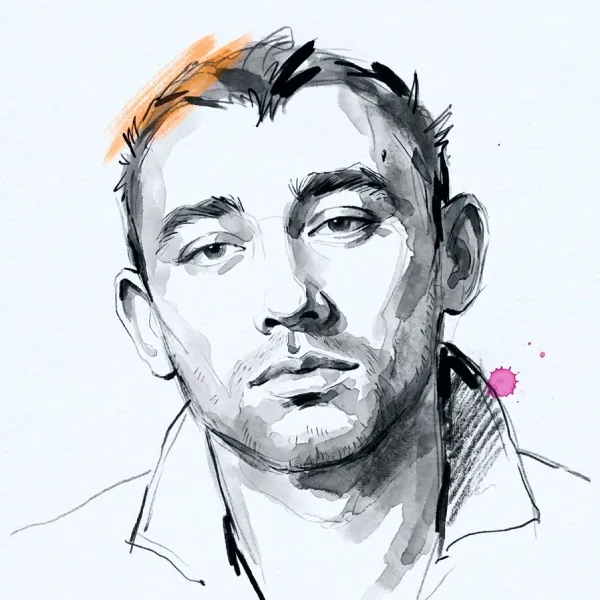
Nicola Formichetti is a Japanese-Italian stylist, editor and creative director whose career has moved between editorial fashion, celebrity image, brand direction and independent product. He rose through The Pineal Eye and Dazed & Confused, served as Fashion Director of Vogue Hommes Japan, styled and directed fashion for Lady Gaga within the wider Haus of Gaga system, and developed a long relationship with Uniqlo. His character-led Nicopanda project preceded the formal launch of the New York streetwear brand in 2015.
At Mugler from September 2010 to April 2013, Formichetti held overall creative direction while Sébastien Peigné designed womenswear and Romain Kremer designed menswear. The relaunch joined fashion, performance, film, music and digital circulation without making him the sole garment author. He subsequently served as Diesel Artistic Director from April 2013 through December 2017. In May 2025 he became M·A·C Cosmetics Global Creative Director, overseeing image, campaigns, product, packaging, social media and retail.
Design ethos
Formichetti works through networks of image and participation. Styling, casting, music, editorial format, celebrity persona and digital distribution are treated as design materials capable of changing how a garment or brand is understood. His most characteristic projects build an immediate public world around product rather than separating collection, campaign and audience.
That approach depends on distributed authorship. At Mugler, Peigné and Kremer supplied line-specific design; at Diesel, archive product and open-casting systems sat within broader company structures; in Lady Gaga projects, individual garments retained their own designers and makers. Formichetti’s contribution lies in coordinating those elements into a recognisable fashion image while keeping media circulation central to the work.
Disclaimer
Career history
2025
Formichetti became M·A·C Cosmetics Global Creative Director effective 19 May 2025. The corporate mandate covers global creative strategy across campaigns, product, packaging, social media and retail, extending a relationship that had already included Lady Gaga’s Viva Glam imagery and a Nicopanda collaboration.
2017
Diesel announced Nicola Formichetti’s departure on 18 December 2017, with his contract expiring at the end of the month. Work already in production for Spring/Summer 2018 is treated as a project tail rather than an extension of the appointment.
2015
Nicopanda developed from panda-branded merchandise sold in 2011 and a character-led product line documented in 2012 into a formally launched New York streetwear brand in 2015. The later brand built its own ready-to-wear, accessories and collaboration history, distinct from Formichetti’s Mugler and Diesel appointments.
2013
Nicola Formichetti began as Diesel Artistic Director on 3 April 2013 and was announced the following day with a remit spanning product, communication, marketing and interiors. His contract ended at the close of December 2017; Diesel Black Gold remained a separate creative structure.
2013
Mugler announced Formichetti’s departure on 2 April 2013 after the Fall/Winter 2013–14 collections. The company credited him with restoring energy, modern imagery and a new audience; the announcement did not establish the exact contractual end or final delivery date.
2011
Brothers of Arcadia extended Mugler’s Spring/Summer 2012 menswear collection into a mini-magazine and film system. Formichetti art-directed and styled the project, Branislav Jankic photographed it and Romain Kremer retained menswear design responsibility; the media title should not replace the collection’s season metadata.
2010
Mugler installed a distributed creative structure in September 2010: Nicola Formichetti as overall Creative Director, Sébastien Peigné as Head Designer Women and Romain Kremer as Head Designer Men. The organisation joined brand image and communication to line-specific garment authorship rather than appointing one sole designer.
2010
Formichetti directed Mugler’s 2010–13 relaunch across fashion image, communication and entertainment while Sébastien Peigné led womenswear design and Romain Kremer led menswear design. Film, music, performance and digital distribution became central to the public system, but the line designers’ garment authorship remained distinct. His departure was announced on 2 April 2013.
You’re in
When the archive opens, you’ll be among the first to know.
That’s all.


