

Introduction
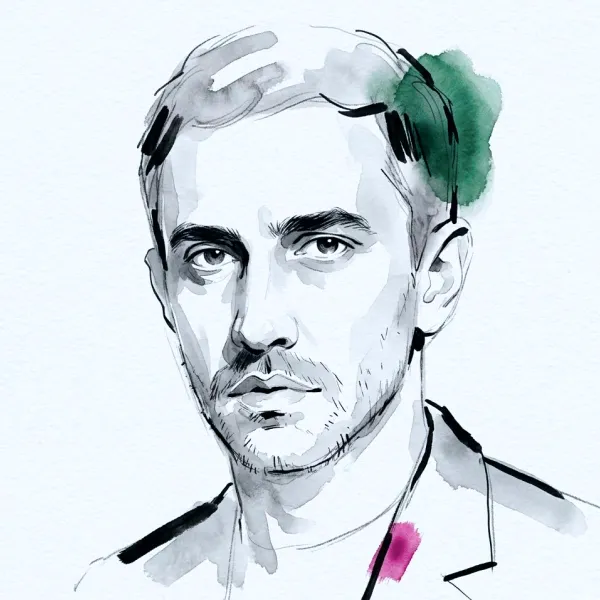
Riccardo Tisci is an Italian fashion designer born in Taranto in 1974 and raised in the Como area. He moved to London as a teenager, trained through an introductory fashion course and studio experience with Antonio Berardi, and graduated from Central Saint Martins in 1999. Early work connected him to Puma, Coccapani and a short, unstable Ruffo Research project before he presented an eponymous collection in Milan in 2004.
Givenchy appointed Tisci artistic director of women’s haute couture, ready-to-wear and accessories in 2005; menswear and men’s accessories were added in May 2008. Across twelve years, he connected couture technique and ceremonial dress to jersey, graphics, sportswear, music and a coordinated campaign system. The couture programme moved from conventional runway seasons to smaller presentations, paused as a regular calendar after 2012 and later returned in groups shown with menswear.
Tisci left Givenchy in February 2017 and became Burberry Chief Creative Officer on 12 March 2018 with authority over all collections. He commissioned Peter Saville for a new wordmark and TB monogram, presented his first designed collection, Kingdom, in September 2018 and developed the unified Burberry label through mainline collections, pre-collections, B Series drops and separately credited collaborations.
His Burberry period included the co-created Vivienne Westwood project, Burberry x Supreme and performance-led collections made with musicians and artists. Spring/Summer 2023, presented on 26 September 2022, was his final designed runway collection; his departure was announced two days later and became effective at the end of September. Later independent work has included custom dress, mentoring, editorial activity and Nike-related projects, with no subsequent fashion-house leadership appointment verified by July 2026.
Design ethos
Tisci brings devotion, sexuality and dark romanticism into contact with sportswear and popular image. Lace, beads, corsetry and close tailoring sit beside jersey, bombers, graphics and trainers, allowing couture labour to remain visible inside a broader commercial wardrobe.
His silhouette moves between elongated tailoring, body-conscious evening dress and layered athletic forms. Menswear has served as a testing ground for skirts, leggings, shorts and ceremonial graphics; accessories and footwear are treated as part of the complete image rather than as additions to the runway.
At Burberry, Tisci widened the house beyond a singular heritage reading. Tailoring, outerwear and check remained present, but the TB monogram, streetwear, collaboration capsules and more plural casting redistributed emphasis across customer, gender and category. The strongest work depends on this tension between institutional code and personal iconography.
Campaign and performance authorship remained deliberately multiple. Photographers, Peter Saville, Vivienne Westwood, Andreas Kronthaler, Anne Imhof, Eliza Douglas, Arca and the Labèque sisters retain separate project credit within the creative system he directed.
Disclaimer
Career history
2022
Burberry announced Riccardo Tisci’s departure on 28 September 2022, two days after his final runway presentation. His employment ended at the end of September; later retail delivery of Spring/Summer 2023 did not extend his operative creative tenure.
2018
The limited Vivienne Westwood & Burberry collection launched on 6 December 2018, reworking Westwood archive forms in Burberry check and materials. It was explicitly co-created by Riccardo Tisci, Vivienne Westwood and Andreas Kronthaler, with David Sims photographing the campaign.
2018
Burberry unveiled a new wordmark and Thomas Burberry monogram on 2 August 2018. Tisci commissioned and directed the programme; Peter Saville supplied the evidenced graphic-design and art-direction authorship. The change altered public hierarchy without abolishing the Equestrian Knight as a trademark.
2018
Riccardo Tisci became Burberry Chief Creative Officer on 12 March 2018 with responsibility for all collections and the wider brand image. He inherited the unified label and redirected it through a new identity, expanded category language, collaboration capsules and plural campaign authorship.
2015
Official seasonal couture groups returned in June 2015 inside Givenchy menswear presentations. Four compact couture records followed through Spring/Summer 2017, maintaining a separate category even when they shared a show with menswear.
2012
Autumn/Winter 2012 was Givenchy’s last conventional seasonal couture collection before the regular programme paused. Custom and atelier work continued during the absence, while the seasonal collection structure remained inactive until 2015.
2010
For Autumn/Winter 2010, Givenchy shifted seasonal haute couture into a concentrated ten-look private and static presentation. The change preserved official couture status while redirecting attention towards atelier construction and close viewing.
2008
Givenchy added men’s ready-to-wear and men’s accessories to Riccardo Tisci’s mandate in May 2008. His first menswear collection followed in June for Spring/Summer 2009, consolidating the principal fashion categories under one named designer.
2005
Riccardo Tisci joined Givenchy in 2005 with responsibility for women’s haute couture, ready-to-wear and accessories. His mandate expanded to menswear and men’s accessories in May 2008, creating a unified twelve-year system across fashion, product, casting and public image.
You’re in
When the archive opens, you’ll be among the first to know.
That’s all.


