

Introduction
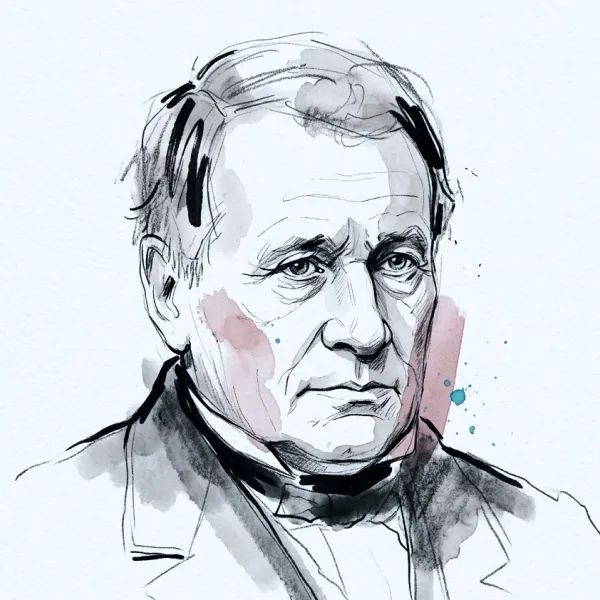
Thierry Hermès was a saddler born in Krefeld on 10 January 1801, when the city was under French administration. He trained first in Krefeld, worked in Paris and continued his leather-working formation in Pont-Audemer before returning to the capital. In 1837 he opened a harness and saddlery workshop at 56 rue Basse-du-Rempart.
The workshop served the practical demands of horse transport through harnesses, bridles and related equipment. Thierry’s son Charles-Émile assumed operating responsibility in 1859, and Thierry remained the founding figure until his death in Neuilly-sur-Seine on 10 January 1878.
Design ethos
Thierry Hermès built his practice around professional saddlery: leather selected and worked for tension, endurance, fit and repair. The workshop’s reputation depended on the performance and finish of harness equipment at a time when horse transport was an exacting technical trade.
This discipline established the house’s earliest design logic. Later generations transferred its attention to weight, resistance, closure and discreet finish into travel goods, clothing and other métiers.
Disclaimer
Career history
1837
Thierry Hermès opened a harness and saddlery workshop at 56 rue Basse-du-Rempart in Paris in 1837. The workshop established Hermès within the professional trade serving horse transport.
You’re in
When the archive opens, you’ll be among the first to know.
That’s all.


