


HaaT
Overview
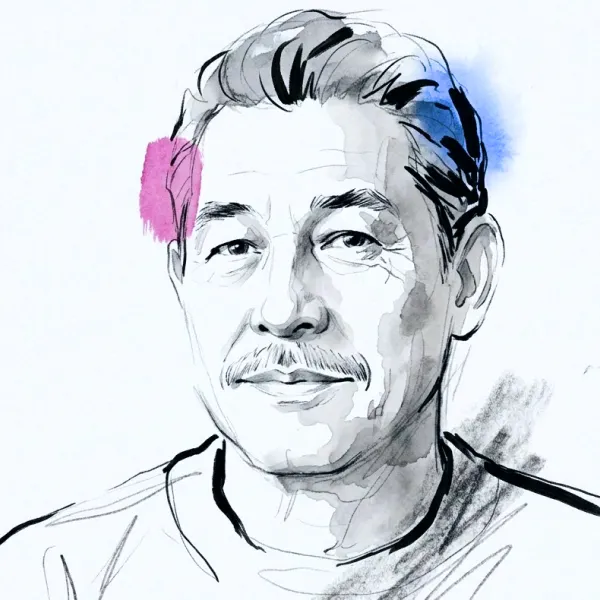
HaaT is the textile and craft-led branch of the Issey Miyake universe, begun in 2000 with Makiko Minagawa’s authorship central to its identity after three decades as textile director for ISSEY MIYAKE. Its name carries a threefold meaning: “HaaT”, a village market in Sanskrit; “heart”, suggesting the living centre of craft; and “haath”, or hands, pointing to the touch and nuance of handwork. That layered name fits a brand whose centre of gravity is cloth itself: how it is woven, dyed, handled, touched, stitched and brought into daily wear.
Rather than pursuing runway spectacle, HaaT works through material intimacy and production intelligence, connecting Japanese design direction with Indian textile knowledge and hand processes. Its clothing carries the evidence of making without turning craft into nostalgia: surfaces, structures and details are allowed to speak, but never to become folkloric theatre. Within ISSEY MIYAKE, HaaT is the place where research slows down, looks closely at the hand, and lets textile savoir-faire do the thinking.
Philosophy
HaaT’s philosophy begins with the belief that cloth is not a neutral starting point, but an active source of design. The brand values textile development, craft collaboration and material tactility before silhouette or seasonal drama. Its interest lies in the intelligence already present in weaving, dyeing, construction and handwork, and in how that intelligence can enter contemporary clothing without being flattened into decoration.
This gives HaaT a quieter but essential role in the Miyake universe. Where other lines test pleating, geometry or engineered systems, HaaT studies the living knowledge of fabric: how it behaves, how it carries labour, how it changes against the body. Its best work feels neither rustic nor precious, but exacting, humane and unusually close to the cloth.
Timeline
Disclaimer
Creative timeline
Button TextHaaT launched in July 2000 with Makiko Minagawa as its central textile and design authorship figure. HaaT’s ongoing identity centres textile direction, material knowledge and production relationships across Japanese and Indian contexts.


