

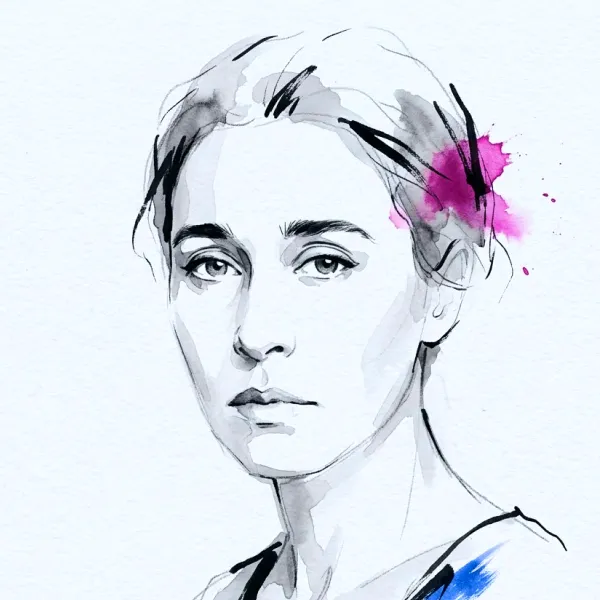
Introduction
Adele Casagrande Fendi was an Italian entrepreneur and artisan who established a leather and fur workshop on Rome’s Via del Plebiscito in 1918. After marrying Edoardo Fendi in 1925, the business took the Fendi name and developed a clientele for hand-finished leather goods, luggage and fur. The official foundation date remains 1925, while the earlier workshop records Adele’s independent authorship of the house’s craft origins.
After Edoardo’s death in 1954, Adele continued the company with their five daughters, Paola, Anna, Franca, Carla and Alda. Their divided responsibilities turned the Roman workshop into an international house and created the structure that later supported Karl Lagerfeld’s long tenure. Adele remained involved until her death in 1978, linking the original bottega to Fendi’s post-war expansion.
Design ethos
Adele Fendi’s contribution belongs to artisanal direction rather than modern seasonal fashion design. She built the house around material selection, workshop discipline and the adaptation of Roman saddlery methods to luxury leather goods. Selleria stitching and softly grained Cuoio Romano leather preserve that emphasis on durability, visible handwork and construction that improves through use.
Her role also established a practical model of luxury: the boutique and workshop operated as one system, with the value of an object tied to the knowledge of the people who made it. Later Fendi designers repeatedly transformed the house’s materials, but the underlying respect for leather, fur and exacting finish began with Adele’s control of the original workshop.
Disclaimer
Career history
1925
Adele Casagrande Fendi established the house with Edoardo Fendi in 1925, building on the Roman leather and fur workshop she had opened in 1918. She directed its craft standards and remained involved as their five daughters assumed responsibility for the business.
You’re in
When the archive opens, you’ll be among the first to know.
That’s all.


