

Introduction
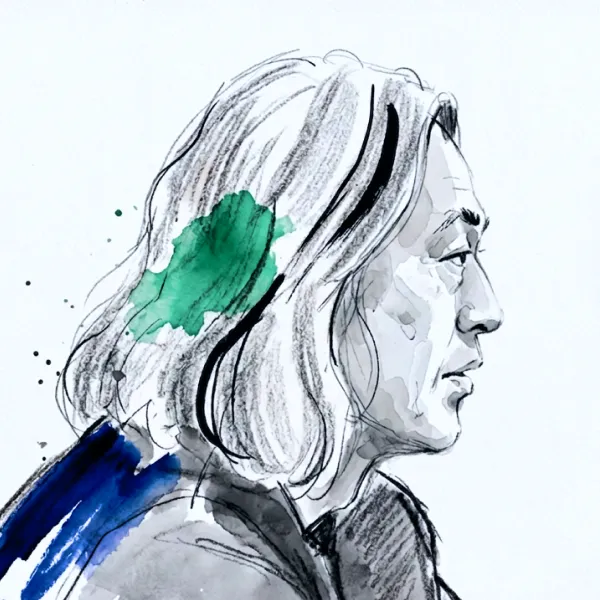
Tadashi Kubo (久保 正, くぼ・ただし), born in Osaka Prefecture in 1961, is a Japanese fashion designer and senior executive whose career has been spent inside Yohji Yamamoto Inc. He joined the company in 1987 after studying commerce and economics at Kinki University and completing the Design Advanced Course at Bunka Fashion College. By 2018 he oversaw creative across the company’s brands, and by late 2025 he was overseeing the creative division.
Kubo’s fashion education began before college. As a teenager in Osaka he surfed, worked in a vintage-clothing shop in Amerikamura and learnt labels through American casual and traditional clothing, including Pendleton. He later described this period as the origin of his fashion sensibility, connecting his early attachment to durable vintage garments with the long life he values in clothing.
After joining Yohji Yamamoto, Kubo’s responsibilities expanded across studio, presentation and project work. In 2002 he appeared among the Yohji Yamamoto personnel on Takeshi Kitano’s Dolls; during preparation for the Spring/Summer 2011 womenswear show he joined Yamamoto in briefing models on the runway walk; and in 2014 Dazed described him as Yamamoto’s right-hand collaborator and head of planning and design. Yamamoto retained principal authorship of the collections throughout these stages.
From 2015 Kubo returned regularly to Bunka’s Global Fashion Concentration for lectures, portfolio reviews and studio-linked mentoring. A 2022 Bunka Women’s University syllabus identified him with the corporate rank 専務, and in 2023 he was in charge of the creative department when he returned to Bunka to discuss cultural appropriation and the use of ethnic dress in collection development.
His clearest individual design contributions appear in collaborative product development. For Yohji Yamamoto’s work with White’s Boots he developed material and detail proposals that moved between footwear and Spring/Summer 2018 clothing; for the 2025 Pendleton collaboration he reworked 2007 archive ideas through flannel, joined-jacket construction, colour calibration, new branding and wholesale planning. His remit spans concept, product development, archive continuity, presentation and commercial translation inside the house.
Design ethos
Kubo’s personal taste begins with vintage American casual and traditional dress. His teenage years in Osaka combined surfing with work in an Amerikamura vintage shop, where he learnt labels through handling older clothes. Decades later he still wore vintage Pendleton and described established, long-lived clothing as the part of fashion that continued to hold his attention.
Longevity shapes the way he speaks about Yohji Yamamoto as well. Kubo remembers a period when the house’s oversized clothes were mocked, then watched enlarged proportions spread across mainstream fashion. He also resists reducing the house to black alone, naming grey, khaki and red as important colours and treating hue as culturally loaded; in the Pendleton project he calibrated khaki carefully to avoid associations with historical Japanese military uniforms.
Collaboration, in Kubo’s account, depends on joint creation, partner identity and specialist knowledge. He favours partners with established histories and technical authority, values reciprocal enthusiasm and repeated meetings, and treats the maker’s expertise as part of the design. His idea of the avant-garde is incremental: advance an established object by one step and keep its functional logic legible.
Functional details can migrate between product categories. A practical zip on a White’s boot became a prompt for Spring/Summer 2018 clothing, and a line Kubo drew in a Photoshop proposal became a hand-stitched feature on the finished boot. The examples show his attention to utility, analogy and small construction decisions, with technical resolution entrusted to the specialist maker.
The 2025 Pendleton collaboration gives a particularly clear view of his archive practice. Kubo returned to 2007 Yohji Yamamoto pieces that used Scottish traditional checks, replaced tuxedo cloth with Pendleton flannel, and converted a runway combination of two layered jackets into a single joined garment with easier wear. He also developed the double-brand label, refined colour and carried the project into wholesale planning, linking historical reference, construction, material choice, branding and selling within one creative remit.
His work also extends into conversation, presentation and teaching. The 2014 skull project grew from recurring discussions with Yamamoto about age, reputation and the persistence of the designer’s public image; the Spring/Summer 2011 runway briefing placed Kubo beside Yamamoto at the point where clothing becomes movement. At Bunka he has addressed cultural appropriation and references to ethnic dress in collection development. Across these activities he carries Yohji Yamamoto’s methods into new objects, partners and generations of designers inside the house’s collaborative authorship.
Disclaimer
Career history
2025
For Yohji Yamamoto’s 2025 Pendleton collaboration, Kubo reworked ideas from 2007 archive pieces through flannel substitution, joined-jacket construction, khaki calibration and a double-brand label. He also carried the project into wholesale planning, joining archive interpretation, product development and commercial preparation.
2023
In April 2023 Kubo, then in charge of Yohji Yamamoto’s creative department, returned to Bunka’s Global Fashion Concentration. He discussed cultural appropriation and the use of ethnic dress in collection development, then reviewed student portfolios.
2022
During the 2022 academic year, Bunka Women’s University listed Kubo as Yohji Yamamoto Inc. 専務 for a special design lecture on creativity through the house. The appearance placed his creative work within a senior corporate rank by this point.
2018
Kubo represented Yohji Yamamoto in the White’s Boots collaboration and contributed directly to design development. A functional boot zip informed Spring/Summer 2018 garments, and a line in his Photoshop proposal became a hand-stitched detail on the boot.
2018
By 2018 Kubo oversaw creative across Yohji Yamamoto Inc.’s brands, giving him a company-wide remit across the brand portfolio. He remained in charge of the creative division in late 2025.
2015
From 2015 Kubo returned annually to Bunka’s Global Fashion Concentration for lectures, portfolio reviews and student mentoring connected to the Yohji Yamamoto studio. A 2023 session addressed cultural appropriation and the use of ethnic dress as a collection reference.
2014
Kubo participated directly in the concept development behind Yohji Yamamoto’s Selfridges Board Room skull skateboard and related Autumn/Winter 2014 imagery. The idea grew through recurring conversations with Yamamoto about ageing, reputation and the persistence of the designer’s public image.
2014
By April 2014 Kubo was working at a senior planning and design level within Yohji Yamamoto. Dazed described him as Yamamoto’s right-hand collaborator and head of planning and design during discussion of the house’s skull imagery and Selfridges skateboard project.
2010
During preparation for Yohji Yamamoto womenswear Spring/Summer 2011, Kubo joined Yamamoto in briefing models on how to walk the show. His presence beside Yamamoto at the final presentation stage reflects a senior studio role by this point.
2002
Kubo appeared among three Yohji Yamamoto personnel credited on Takeshi Kitano’s Dolls, for which Yohji Yamamoto held the costume credit. The project places Kubo inside the house’s film-costume work while his individual duties remained part of the wider Yohji Yamamoto team.
1987
Kubo joined Yohji Yamamoto Inc. in 1987 after Kinki University and Bunka Fashion College. The appointment began a continuous career inside the company that later expanded into senior creative oversight.
You’re in
When the archive opens, you’ll be among the first to know.
That’s all.


