

Introduction
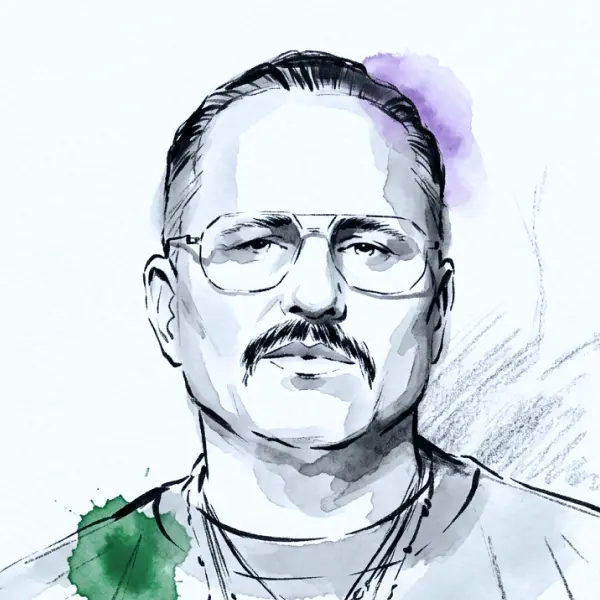
Willy Chavarria is an American fashion designer and the founder of the New York label WILLY CHAVARRIA. Born in Huron, California, and raised in the agricultural landscape of the San Joaquin Valley, he built a design language from the clothes and social codes around him: Chicano dress, workwear, farm-labour uniforms, Catholic imagery, lowrider culture, queer nightlife and the ordinary garments through which people claim dignity under pressure.
Before launching his own label, Chavarria spent years inside the machinery of American fashion. He worked at Joe Boxer, moved through technical and athletic apparel, joined Ralph Lauren in New York during the development of RLX, and later held a long design-director role at American Eagle. With David Ramirez, he opened Palmer Trading Company in SoHo in 2010, a retail project whose vintage Americana and in-house product helped incubate the silhouette and attitude of the later namesake brand.
The WILLY CHAVARRIA label was founded in 2015 and has since moved from a cult New York menswear proposition into one of the most visible independent American fashion voices on the international calendar. Chavarria won the CFDA Menswear Designer of the Year award in 2023 and 2024, served as Senior Vice President of Design at Calvin Klein from 2021 to 2024, and shifted his runway presence to Paris with collections that frame tailoring, casting and spectacle as forms of cultural argument.
Design ethos
Chavarria’s design ethos is built on scale, dignity and social visibility. He takes garments often associated with labour, barrio style, sportswear or underwear — chinos, work shirts, bombers, polos, denim, football jerseys, tank tops and tailored jackets — and redraws them through wide proportion, broad shoulders, cropped volume and a heavy emotional register. The result is not simple oversizing; it is an architectural method for making the wearer occupy more space.
His work draws from Chicano and Pachuca/o memory, queer sensuality, American prep, Catholic ritual and the visual codes of working-class life. A white T-shirt, a wide trouser or a tailored coat can become a statement of power because the body wearing it is treated as monumental rather than peripheral. The clothes often sit between severity and tenderness, turning machismo into something more vulnerable and glamorous without emptying it of force.
Runway context is part of the design system. Chavarria uses casting, music, venue, movement and collaboration to make each collection feel like a civic scene as much as a fashion presentation. The strongest shows do not merely illustrate political positions; they translate those positions into silhouette, procession and atmosphere, giving contemporary American menswear a rare combination of beauty, anger, romance and moral weight.
Disclaimer
Career history
2026
For Fall/Winter 2026, Eterno transformed Dojo de Paris into a performance-led show with music, cinematic staging, tailoring, Big Willy workwear and adidas-linked sportswear. It expanded Chavarria’s runway grammar from procession into near-musical theatre while keeping Latin identity and community at the centre.
2026
Willy Chavarria’s VATÍSIMO collaboration with Zara launched in March 2026 with a broad menswear, womenswear and accessories offer. The project used telenovela-style campaign language, exaggerated tailoring, workwear, denim and romantic Chicano imagery to bring the designer’s world to a far wider audience.
2025
The Spring/Summer 2026 Huron show at Salle Pleyel opened with an ACLU-linked protest image and carried Chavarria’s immigration, labour and hometown references into Paris. The collection made his California origin point newly explicit inside the brand’s global phase.
2025
The Fall/Winter 2025 Tarantula show marked Chavarria’s Paris Fashion Week debut and the tenth anniversary of the label. Staged at the American Cathedral in Paris, it brought his broad tailoring, spiritual atmosphere, Latino community references and advocacy-linked messaging into a larger international frame.
2024
Minority investment from FAE Fashion Ventures, followed by Chalhoub Group and Webster Capital, marked a new commercial phase for WILLY CHAVARRIA. The label remained built around Chavarria’s authorship, but gained stronger infrastructure for international expansion, wholesale growth and larger runway production.
2024
Willy Chavarria’s 2024 CFDA American Menswear Designer of the Year win confirmed the label’s momentum for a second consecutive year. By this point, his amplified tailoring, street casting and politically charged shows had become part of the centre of American menswear rather than a peripheral critique of it.
2023
In 2023, Willy Chavarria won the CFDA American Menswear Designer of the Year award, giving the label a major recognition point after years of building a runway language around dignity, volume, casting and political visibility.
2021
Willy Chavarria was appointed Senior Vice President of Design at Calvin Klein in 2021, leading concept and design work while his own label continued to gather critical momentum. The role confirmed his fluency in large-scale American fashion systems as well as independent authorship.
2017
The Spring/Summer 2018 Cruising show at Eagle Bar NYC became an early signature moment for the label, joining religious undertones, queer nightlife, Chicano style and romantic menswear scale in a venue that made community and desire impossible to separate from silhouette.
2017
The Fall/Winter 2017 Harder presentation at Clarkson Square placed Chavarria’s political and visual language in public view, using caged bodies, stark styling and Chicano-inflected proportion to turn a menswear presentation into a charged social tableau.
2015
Willy Chavarria founded his New York label in 2015, turning the retail and Americana groundwork of Palmer Trading Company into a more direct fashion authorship. The brand’s foundation joined Chicano memory, queer visibility, workwear, tailoring and political charge into a distinctive proposition for American menswear.
2010
Willy Chavarria and David Ramirez opened Palmer Trading Company in SoHo as a retail and product project built around vintage Americana, workwear and in-house menswear. The store helped crystallise the codes that would later move into the WILLY CHAVARRIA label: utility, proportion, American memory and a more personal view of masculine dress.
You’re in
When the archive opens, you’ll be among the first to know.
That’s all.


