

Jean Paul Gaultier
Overview
Jean Paul Gaultier is a Paris fashion house established by the French designer in 1976, when he presented his first independent women’s ready-to-wear collection at the Palais de la Découverte. The label developed through industrial and licensing partnerships before the creation of Jean Paul Gaultier SA in 1982, expanding from women’s ready-to-wear into menswear, diffusion lines, fragrance and haute couture. Gaultier Paris, first shown in January 1997, remains the house’s couture division.
The founder’s work joined couture construction to street dress, underwear, workwear, sailor clothing and club culture. Corsetry, Breton stripes, tattooed surfaces, skirts for men and deliberately mixed casting became recurring methods across runway, costume and fragrance imagery. Hermès invested in the company in 1999; Puig acquired majority control in 2011, later reached full ownership and integrated the fragrance business in 2016.
Jean Paul Gaultier ended his runway authorship in January 2020. The house then used a one-designer-per-season couture programme and an archive-led ready-to-wear system before appointing Duran Lantink permanent Creative Director on 15 April 2025. His remit covers ready-to-wear and haute couture, restoring a continuing named authorship model while the house remains owned and operated within Puig.
Philosophy
Jean Paul Gaultier treats established dress codes as material for revision. Tailoring can be opened, wrapped or feminised; corsetry can move from concealed structure to visible garment; sailor uniforms, denim and sportswear can enter couture construction. The body is rarely presented as neutral: padding, lacing, trompe-l’œil and anatomical print reposition gender, sexuality and social role through cut and surface.
The house’s theatricality is supported by technical discipline. Corsets, articulated tailoring, knitwear, feathers, embroidery and repurposed materials are used to expose how garments construct posture and identity. Humour and exaggeration coexist with close attention to pattern, fit and handwork, allowing familiar objects to change register without losing their material specificity.
Casting, styling and image-making extend the clothes’ argument. Across founder, guest and current periods, the house has used models of varied ages, bodies and gender presentations, while collaborations with music, dance and cinema placed its codes beyond the runway. Under Duran Lantink, distortion, collage and circular material practice have entered this archive as current working methods.
Timeline
Disclaimer
Creative timeline
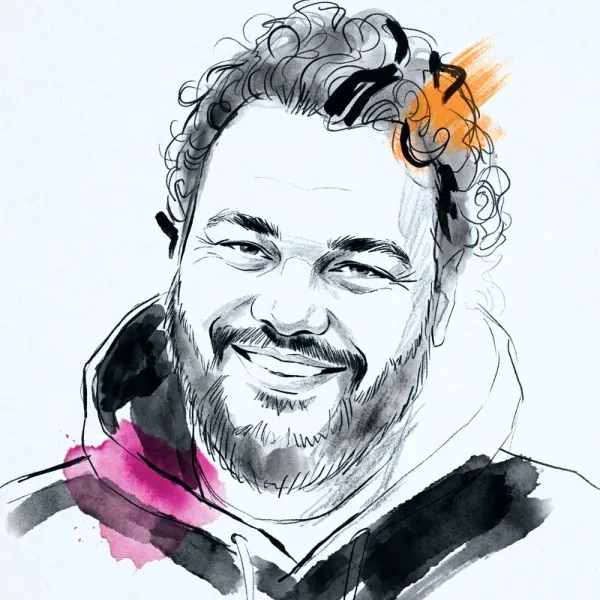
Button TextJean Paul Gaultier appointed Duran Lantink permanent Creative Director on 15 April 2025 with responsibility for ready-to-wear and haute couture. The appointment ended the rotating guest-couture model and restored continuing named authorship across the house’s fashion programmes.
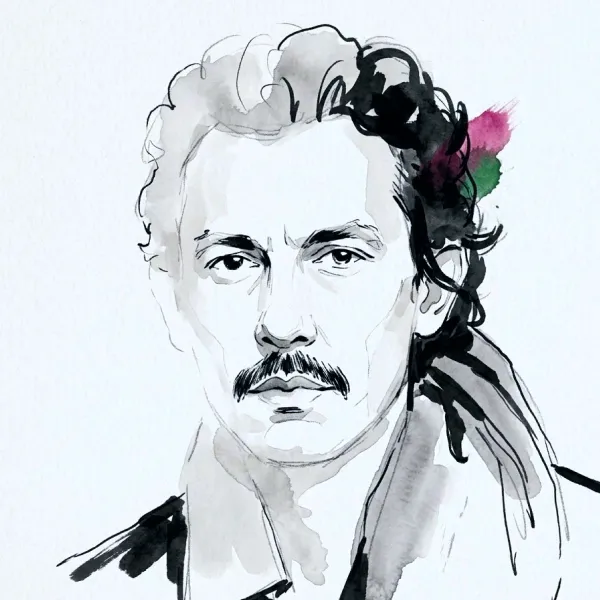
Jean Paul Gaultier presented his final founder-authored runway collection at the Théâtre du Châtelet on 22 January 2020. The event ended his collection authorship but not the house or its couture programme.
Antoine Gagey became general manager of Jean Paul Gaultier around the transition from founder runway authorship; later reporting gives an internal start in October 2019, while the appointment was reported publicly in February 2020. He remains the evidenced house executive through the current period.
Martin Margiela worked in Jean Paul Gaultier’s Paris studio from 1984 to 1987 and became his first assistant. The role provided a formative encounter with collection-making, unconventional casting and the revision of established dress codes before Margiela co-founded his own house.
Jean Paul Gaultier selected Ackermann as the fourth designer in its one-season haute couture guest programme. Working with the house ateliers, he completed a single Spring 2023 mandate centred on precise tailoring, controlled colour and reduced spectacle.
Jean Paul Gaultier established his independent label with a women’s ready-to-wear presentation in Paris in October 1976. He directed the house across ready-to-wear, menswear and haute couture until his final runway collection in January 2020.
Jean Paul Gaultier divisions and related structures
The house has operated through overlapping seasonal, couture, licensed and product programmes. Their dates and legal arrangements differ, and historic labels are not treated as one continuous family of diffusion lines.
Core fashion programmes
- Women’s ready-to-wear
- 1976–Spring/Summer 2015; runway-led return from 2025
- The founding programme established the house in 1976. Founder-led seasonal ready-to-wear ended after Spring/Summer 2015; archive-led product returned in 2021, followed by a permanent-designer runway programme under Duran Lantink in October 2025.
- Men’s ready-to-wear
- 1983/84–2014/15
- The menswear programme formalised Gaultier’s work with skirts, corsetry and recoded tailoring for male bodies. Its first collection title and final presentation remain incompletely documented.
- Gaultier Paris
- Haute couture, 1997–present
- The couture division first presented in January 1997, later received formal couture classification, and continued through the founder, guest-designer and Duran Lantink periods. It is a division of Jean Paul Gaultier, not a separate parent house.
Historic lines and licences
- Junior Gaultier
- Adult youth line, Spring/Summer 1988–c. Autumn/Winter 1994–95
- The lower-priced adult line covered women’s and men’s clothing. It is distinct from the later children’s use of the name and from Lantink’s JUNIOR collection title.
- JPG
- Unisex sportswear line, announced 1994
- Launched as a moderately priced replacement after the adult Junior licence ended. Its name must be distinguished from JPG as a general abbreviation for the house.
- Gaultier Jean’s and Jean’s Paul Gaultier
- Historic denim and casualwear programmes
- Successive licensed denim structures appeared from the early 1990s and again from Spring/Summer 2005; surviving evidence does not support one uninterrupted chronology.
- Gaultier²
- Licensed apparel programme from 2006
- A separate apparel and streetwear programme whose name was also used for a 2005 fragrance. The two should not be merged.
- Junior Gaultier and Gaultier Bébé
- Children’s lines from 2009 and 2011
- Zannier-produced childrenswear reused the Junior name for a different audience and later added an infant line.
Product and post-founder programmes
- Fragrances
- 1991–present
- Developed under a BPI/Shiseido licence before integration into Puig in 2016, fragrance became a durable commercial division led by pillars including Classique and Le Male.
- Archive-led collaborative ready-to-wear
- 2021–2024 transition
- Florence Tétier directed themed drops and invited contributors around the archive. This commercial programme ran alongside, but was institutionally distinct from, the guest-couture model.
Jean Paul Gaultier collaborations
Gaultier’s external work spans costume, performance, product design and mass-market capsules. Credits remain project-specific: the designer’s contribution does not absorb the authorship of a film, tour or partner company.
Costume and performance
- Régine Chopinot
- Dance and costume, 1983–c. 1993/94
- A sustained collaboration across productions including Délices, Les Rats, Rossignol, Gustave, K.O.K. and Le Défilé.
- Madonna — Blond Ambition World Tour
- Tour costumes, 1990
- Gaultier designed the principal corseted wardrobe, while Marlene Stewart and the wider tour team retained their own costume and production credits.
- Film costumes
- 1989–1997
- Major projects include The Cook, the Thief, His Wife & Her Lover, Kika, The City of Lost Children and The Fifth Element, with the precise remit recorded separately for each production.
- Fashion Freak Show
- Stage production, 2018 onward
- Gaultier created, wrote, directed and designed costumes for an autobiographical performance made with a wider theatre, choreography and music team.
Fashion, product and commercial projects
- Wolford
- Hosiery, 2001–02
- Gaultier-designed hosiery produced by Wolford survives in institutional collections.
- La Perla
- Lingerie and swimwear, 2010
- The partnership translated house corsetry into lingerie and later swimwear without establishing a permanent internal lingerie atelier.
- Roche Bobois
- Furniture and textiles, 2010
- The project applied Gaultier’s prints and upholstery ideas to furniture including the Mah Jong sofa.
- Diet Coke
- European project, 2012
- A time-limited creative-director remit covered bottles, campaigns and films for the beverage brand.
- Lindex
- Multi-category capsule, 2014
- The collection covered womenswear, childrenswear, lingerie and accessories and included a charitable sales component.
- Supreme
- Cross-category capsule, 2019
- The collaboration combined apparel, accessories, footwear, leather and fragrance with a Collier Schorr campaign.
Exhibitions
- The Fashion World of Jean Paul Gaultier: From the Sidewalk to the Catwalk
- Travelling retrospective, 2011–2016
- The Montréal Museum of Fine Arts retrospective, curated by Thierry-Maxime Loriot, built an international institutional record of the house’s collections, costumes and image culture.
- CinéMode par Jean Paul Gaultier
- Film and fashion exhibition, 2021–24
- Organised by the Cinémathèque française and “la Caixa” Foundation, the project examined fashion and costume through cinema under Gaultier’s general and artistic curatorship.


