

2020 in fashion
The calendar closed mid-sentence
2020 began with fashion still behaving as if logistics were weather and illness was elsewhere. London, Pitti, Milan menswear, Paris menswear and couture went ahead as fully physical events; Jean Paul Gaultier took his Paris farewell as if the old theatre still had an indefinite lease. In February, the system kept moving from New York to London to Milan with the practised entitlement of a machine that had never truly imagined stoppage.
Then the fissure opened.
Milan womenswear became the hinge: Northern Italy’s outbreak moved from distant news to operational fact, and Giorgio Armani’s empty-room livestream supplied the first image of fashion realising, a beat too late, that proximity had become a liability. Paris proceeded under an atmosphere of disbelief, half performance, half denial.
The old circuit had not gently evolved into digital; it had been shoved through a trapdoor. Seoul cancelled, Tokyo improvised, Shanghai moved to Tmall Cloud, and the industry discovered that a runway could vanish faster than a press release could locate the correct tone. “Normal” did not end with a coup de theatre. It ended awkwardly, administratively, and then everywhere at once.
January


The 2020 ASICS SportStyle integration changed the collaboration from a co-branded sneaker cycle into an embedded studio relationship, with Kiko Kostadinov Studio shaping in-line product families and colour systems.

McQ was restyled as MCQ on 1 January 2020 and reorganised around rotating collaborators, intermittent Icons and digitally authenticated products. The relaunch replaced a conventional single-designer hierarchy with a project-based collective model.
London Fashion Week Men’s opened the 2020 fashion calendar in its old physical form, before the year’s upheavals began to dismantle that familiar rhythm. As a January marker, it captures the menswear circuit still operating through shows, guests and city-to-city momentum before digital contingency became the season’s main grammar.
Jil Sander’s Pitti Uomo 97 guest presentation placed Lucie and Luke Meier’s menswear inside the fair’s special-project programme at Santa Maria Novella. The event joined industrial menswear trade, institutional invitation and a fully realised runway environment shortly before the pandemic disrupted the international circuit.
Milan Fashion Week Men’s ran in January with the usual institutional weight of houses including Prada, Fendi and Dolce & Gabbana. The season now reads as one of the last intact menswear circuits before cancellations, digital platforms and audience restrictions began to redraw the calendar.
Walter Chiapponi presented his first Tod’s menswear collection in Milan, turning his 2019 appointment into a visible house debut. The show marked the first concrete attempt to sharpen Tod’s fashion identity under new creative leadership, giving the year a precise early signal of house repositioning.
A-Cold-Wall* staged its first Milan collection on 13 January, bringing Samuel Ross’s industrial, youth-coded language into a schedule still anchored by established Italian houses. The move gave Milan’s menswear week a distinct cross-current, less heritage polish and more post-streetwear systems thinking.
Paris Fashion Week Men’s opened the year with a full physical season led by major houses including Louis Vuitton and Dior. The January cycle now stands as the city’s last normal menswear season before Paris had to translate its authority into digital formats, filmed presentations and reduced physical access.
Virgil Abloh’s cloud-filled Louis Vuitton menswear show distilled the image-making confidence of late-2010s luxury at the very start of 2020. Its scale and optimism gained a strange afterlife once the physical runway circuit contracted, leaving the show as one of the year’s clearest before-the-break spectacles.
Paris Haute Couture Week Spring/Summer 2020 ran in January with the couture system still operating at full ceremonial scale. Jean Paul Gaultier’s farewell and Maison Margiela’s Artisanal show gave the week particular chronology value, pairing institutional goodbye with one of the season’s strongest exercises in couture experimentation.
The Kolkata edition of Blenders Pride Fashion Tour captured India’s luxury and couture-facing market still operating through regional physical events before lockdowns. Its place in the chronology is as a pre-pandemic marker outside the European circuit, where fashion spectacle, celebrity and local market visibility still depended on the live room.
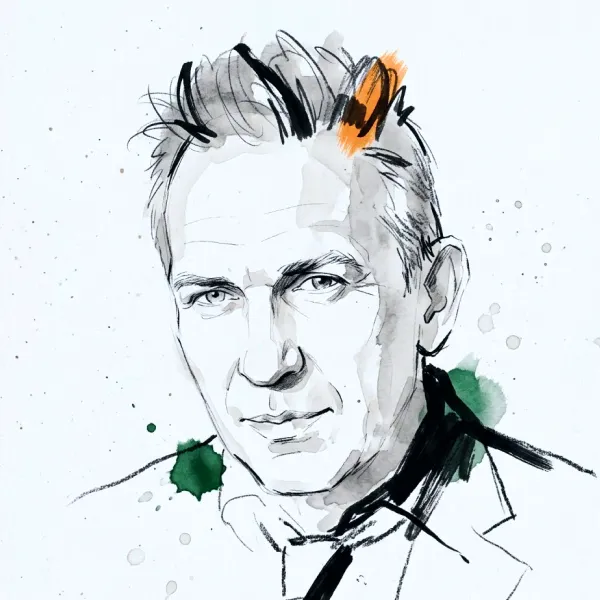
Jean Paul Gaultier ended five decades of runway authorship with a couture retrospective built from archive references and found materials. The house remained active, making the show a transfer point between founder authorship and the guest-couture system that followed.
Imane Ayissi became the first designer from sub-Saharan Africa invited onto the official Paris Haute Couture Week calendar, presenting Akouma on 23 January 2020.
YUIMA NAKAZATO introduced Biosmocking as a digitally controlled textile process capable of forming three-dimensional garments through material contraction.
February
New York Fashion Week: Men’s Fall/Winter 2020 ran in early February as the American menswear platform was already under pressure. Its small scale and uncertain centre of gravity made it a revealing pre-pandemic snapshot of a schedule whose fragility did not begin with Covid-19, even if 2020 exposed it brutally.
New York Fashion Week Women’s Fall/Winter 2020 was the city’s final full-scale womenswear season before Covid-19 halted major public gatherings in the United States. The week’s celebrity performances, runway scale and familiar front-row mechanics would soon look less like routine industry theatre and more like evidence from another age.
Coach Fall/Winter 2020 show used Debbie Harry’s live appearance to distil the celebrity-performance machinery that still defined New York before lockdowns. It stands as a precise pre-pandemic marker of runway spectacle, where music, casting and event scale still carried the week’s cultural charge.
Marc Jacobs closed NYFW with a show built around star casting, dance choreography and theatrical release. As a benchmark for late pre-pandemic runway spectacle, it shows New York still leaning on performance, celebrity and choreographed excess before the city’s fashion calendar was forced into a much leaner register.
London Fashion Week Women’s Fall/Winter 2020 unfolded in a still-recognisable physical format, though international travel anxiety was already beginning to shadow the season. The week captures London at a hinge point: creatively active, institutionally intact, and only days away from a crisis that would make the standard show cycle untenable.
Richard Quinn introduced menswear at London Fashion Week, widening his proposition during the final pre-lockdown European womenswear cycle. The move was more than a standard show detail: it marked a clearly dateable expansion of the label’s runway vocabulary before the calendar’s assumptions fractured.
Milan Fashion Week Women’s Fall/Winter 2020 became the season where fashion’s calendar met the Covid-19 crisis in real time. As the outbreak escalated in northern Italy, the week shifted from ordinary runway programming into a visible stress test for luxury’s dependence on travel, audiences and physical ceremony.
Giorgio Armani’s decision to show without an audience and livestream the collection from Milan was one of 2020’s clearest runway inflection points. It was not yet a polished digital strategy; it was an emergency act of caution that anticipated the audience-free formats soon adopted across the industry.
Paris Fashion Week Women’s Fall/Winter 2020 proceeded under mounting uncertainty as the Covid-19 crisis gathered force across Europe. Most shows still took place physically, which makes the season a revealing final chapter of the old calendar: crowded, international, image-driven and already visibly unstable.
Felipe Oliveira Baptista’s first Kenzo collection marked the house’s first major runway statement after the Humberto Leon and Carol Lim era. The February debut became more than a seasonal handover: it was the first visible attempt to redirect Kenzo just before the year’s normal fashion rhythm broke.
March
Germanier entered the official Paris womenswear system through SPHERE, gaining structured buyer access while confronting the production limits of waste-led design.
Seoul Fashion Week’s Fall/Winter 2020 cancellation marked one of the first full fashion-week casualties of the pandemic. Originally planned for mid-March, the event became an early example of how quickly regional fashion infrastructure could be suspended once public-health restrictions overtook the show calendar.
Tokyo’s physical fashion-week programme was cancelled in March, followed by a rapid turn towards a new digital-release format. The response showed a major Asian fashion week moving from cancellation to platform logic at speed, treating digital presentation as an emergency structure rather than a decorative add-on.
Shanghai Fashion Week’s Cloud Fashion Week with Tmall became one of 2020’s most important digital pivots. Its livestreamed, commerce-linked model was more than a substitute show reel; it offered an early template for how fashion weeks could combine presentation, audience access and direct selling under lockdown conditions.

L’Oréal completed its Mugler acquisition in March 2020, changing the house’s ownership while preserving the distinction between fashion and fragrance operations.
April
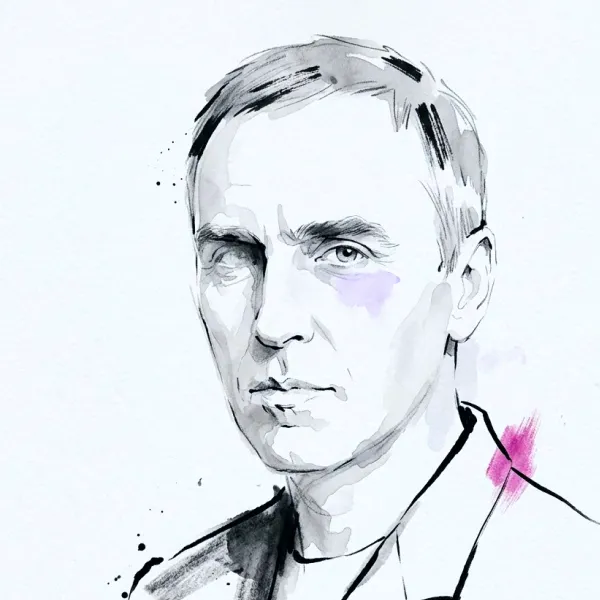
Raf Simons formally joined Miuccia Prada as co-creative director on 2 April, with equal responsibility for creative input and decision-making. Few appointments in 2020 carried comparable scrutiny: it paired two of contemporary fashion’s most analysed designers inside one of Milan’s defining houses.
The LVMH Prize cancelled its 2020 final ceremony and divided the award equally among the eight finalists. The gesture redirected a competitive prize into emergency support, acknowledging that young designers needed immediate financial relief more than the usual winner-takes-most ritual.
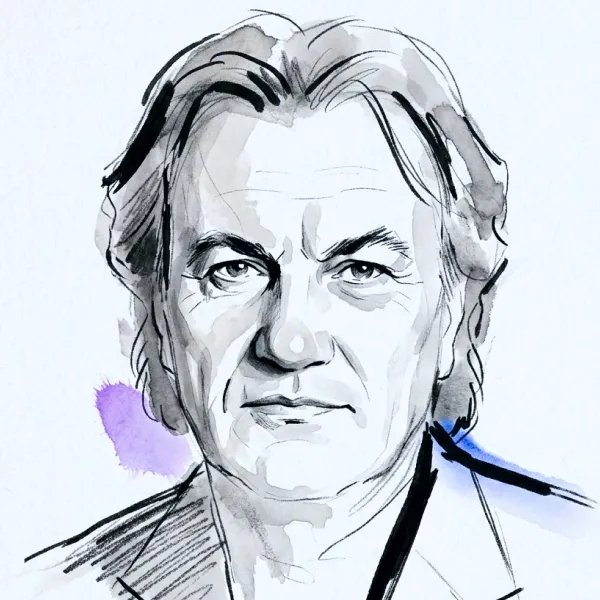
Sergio Rossi died in Cesena after being hospitalised with Covid-19, and his death was widely marked across fashion media. The loss brought the pandemic’s direct toll into Italian luxury craft, particularly among the generation of specialist makers who shaped post-war fashion manufacturing.
Angel Chen’s virtual presentation gave Shanghai’s cloud-fashion experiment a specific designer-level case study. Rather than treating the digital week only as infrastructure, the presentation showed how a brand could use multiple platforms to preserve visibility, narrative and audience contact during an abrupt halt to physical shows.
NYFW Bridal’s April cancellation and digital shift exposed how vulnerable the bridal market was to the loss of appointments, trunk shows and in-person selling rituals. The category depends heavily on tactility, timing and private client confidence, making its forced digital turn especially telling.
May
June
London Fashion Week’s June edition became the first major Western fashion week to attempt a fully digital, gender-neutral format. The experiment tested whether an institutional fashion week could still create attention without venues, travel or front-row theatre, and it did so with London’s usual uneven mixture of improvisation and nerve.
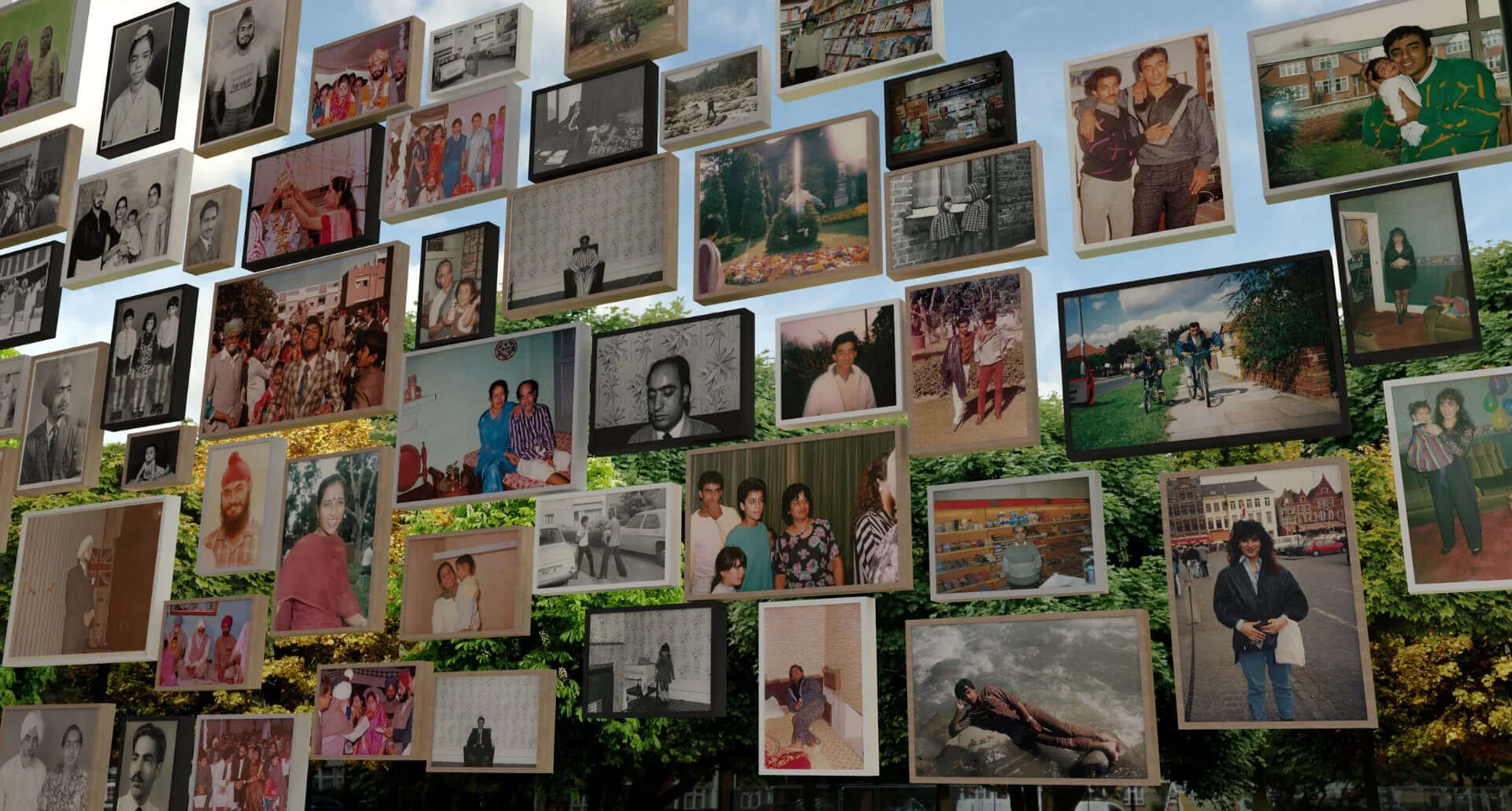
Priya Ahluwalia’s “Jalebi” project was one of the strongest examples of London’s digital-only week producing something designed for the format. The interactive gallery used image, memory and community rather than trying to imitate a runway, which made it more convincing than much of the early digital season.
Photo credit: ahluwalia.world
Charles Jeffrey LOVERBOY's livestreamed party format captured something early digital fashion weeks often lacked: a sense of eventness. It showed how London designers could treat digital presentation as performance and atmosphere, rather than merely uploading a lookbook and hoping the Wi-Fi carried the drama.
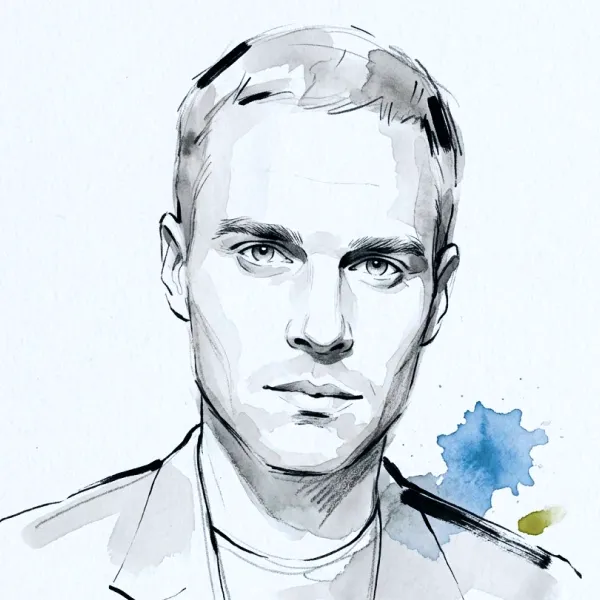
Williams’s appointment during the first pandemic year reset Givenchy around women’s and men’s ready-to-wear, hardware, footwear and accessories. His October digital debut gave the new system its first public form without being treated as a couture launch.
Yeezy Gap was announced on 26 June as a ten-year partnership between Kanye West and Gap. The deal became one of the year’s most closely watched retail announcements, promising to connect West’s cultural reach with a mass American basics retailer in search of renewed relevance.

During the pandemic, Y/Project launched Evergreen as a permanent selection of continuing designs and moved its seasonal presentations online. A special €150,000 ANDAM Family Fund award supported the programme and a new e-commerce platform, while environmental claims remained house-authored rather than independently audited.
July

ANDAM’s 2020 Special Edition awarded its Grand Prize to Marine Serre and a Family Fund prize to Glenn Martens of Y/Project. The result placed institutional support behind designers already working through questions of circularity, reconstruction and independent resilience, making the prize feel unusually aligned with the year’s material pressures.
Paris Haute Couture Week’s July edition moved online for the first time under the FHCM. For couture, a system built around rarity, craft and physical proximity, the digital shift was especially stark: the most tactile corner of fashion had to translate itself through screens.
Paris Fashion Week Men’s Spring/Summer 2021 ran as the city’s first fully digital menswear season. The edition forced Paris to test men’s fashion without the ordinary machinery of venue, audience and street-style circulation, shifting emphasis towards films, objects and controlled releases.
Phlegethon opens Owens’s Venice Lido menswear cycle, turning pandemic production limits into a visible fashion-calendar shift rather than a hidden constraint.
Milano Digital Fashion Week replaced the cancelled June menswear season with CNMI’s first unified digital platform. The edition mapped Italy’s attempt to keep menswear and resort activity visible while the country was still negotiating the practical limits of reopening.
Etro’s livestreamed physical menswear show offered one of Italy’s clearest early attempts to return to the runway under controlled conditions. The presentation carried the awkward but revealing tension of mid-2020 fashion: live again, but not remotely back to normal.
Dolce & Gabbana’s socially distanced live runway inside Milano Digital Fashion Week made plain that physical spectacle was not going to vanish quietly. The show gave Milan’s digital platform a conspicuous live counterweight, proving that even pandemic restraint could not entirely suppress the Italian appetite for staging.
Dolce&Gabbana’s socially distanced live runway inside Milano Digital Fashion Week gave the digital season a deliberately physical counterpoint. Even under pandemic restrictions, the house held onto staging, bodies, fabric and spectacle as central parts of its language.
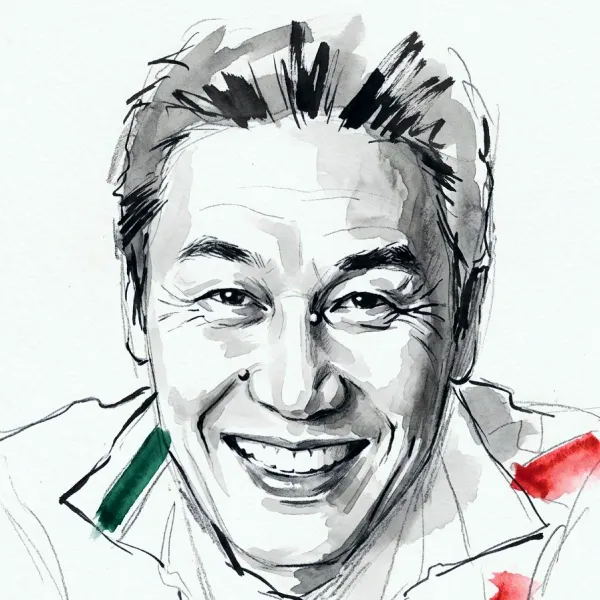
Kansai Yamamoto died at 76, leaving a legacy tied to exuberant Japanese fashion, performance and his internationally recognised work with David Bowie. His passing marked the loss of a designer who helped connect Japanese avant-garde energy with Western pop spectacle long before such crossings became routine.
August
Copenhagen Fashion Week Spring/Summer 2021 became an early model for the hybrid fashion week, combining limited physical activity with digital access. Its approach mattered less as spectacle than as operating method, showing how a smaller but influential fashion capital could adapt without pretending the old calendar had survived intact.
Ganni’s hybrid showcase during Copenhagen Fashion Week gave the season a concrete brand-level example of small physical activation working with digital reach. It translated the event’s hybrid logic into a designer case, showing how a brand could remain present without relying on the full apparatus of the traditional runway.
September
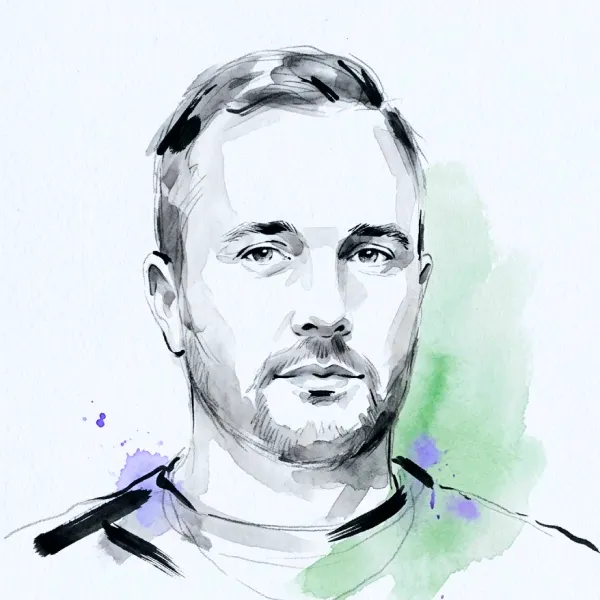
Kim Jones became Fendi’s first permanent successor to Karl Lagerfeld in womenswear and couture. The appointment preserved the house’s divided authorship: Jones led those categories while Silvia Venturini Fendi retained accessories and menswear.
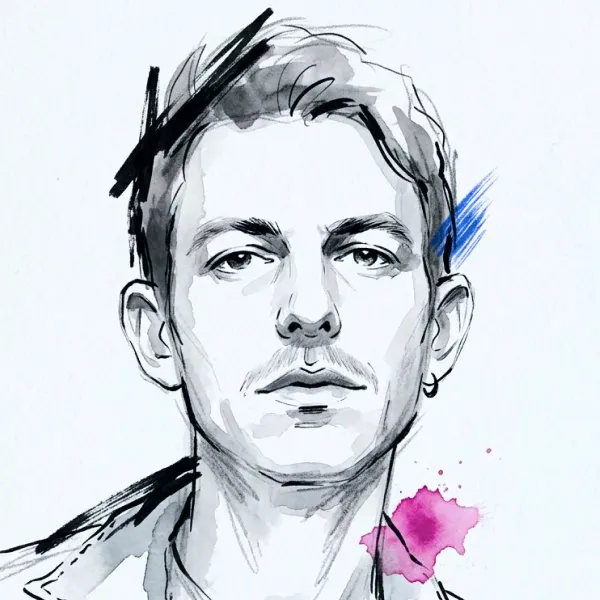
Courrèges appointed Nicolas Di Felice Artistic Director in September 2020, beginning a five-and-a-half-year regime that integrated seasonal fashion, re-edition, menswear, fragrance and retail image.
Jason Wu’s rooftop show opened New York’s Spring/Summer 2021 season with a deliberately scaled-down but physical event. It became one of the cleanest images of NYFW’s first pandemic-era hybrid identity: open air, reduced audience, livestreamed visibility and no pretence that the old system had simply resumed.
NYFW Spring/Summer 2021 ran as a mostly digital September season through Runway360. The reduced schedule made New York’s structural vulnerabilities unusually visible, turning the week into a test of whether American fashion could retain attention without the physical infrastructure that had long supported its relevance.
The 2020 CFDA Fashion Awards announced winners digitally for the first time, with Kerby Jean-Raymond and Gabriela Hearst taking major American prizes. The format change stripped away the ceremony’s usual room, stage and red-carpet machinery, leaving a spare institutional snapshot of American fashion under restriction.
India Couture Week moved to a purely digital format in September, preserving a showcase for a market closely tied to bridal and occasionwear. In a year of restricted weddings and disrupted selling rituals, the edition offered Indian couture a route to domestic visibility when the usual social calendar had largely collapsed.
October
Natacha Ramsay-Levi’s Spring/Summer 2021 show became the runway endpoint of her Chloé tenure, although her departure was confirmed later in December. The collection closes one of 2020’s quieter Paris transitions, setting the stage for Gabriela Hearst’s arrival without overstating the drama.
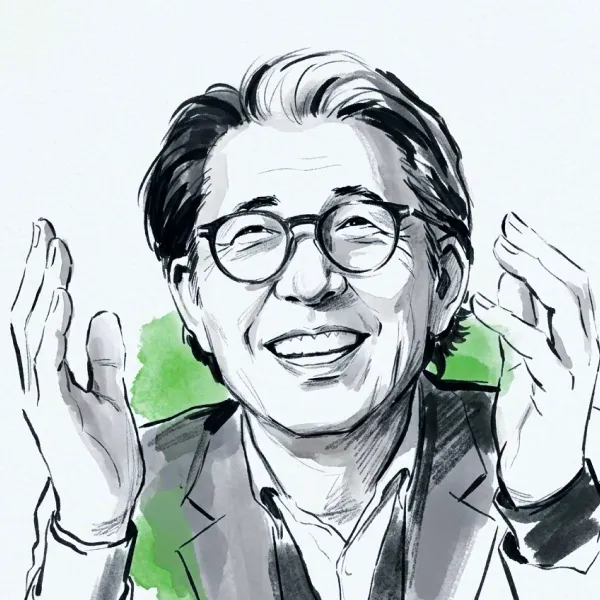
Kenzo Takada died on 4 October at the age of 81 from Covid-19 complications. His death during Paris Fashion Week marked the loss of a designer whose name remained inseparable from one of fashion’s most recognisable cross-cultural house stories.
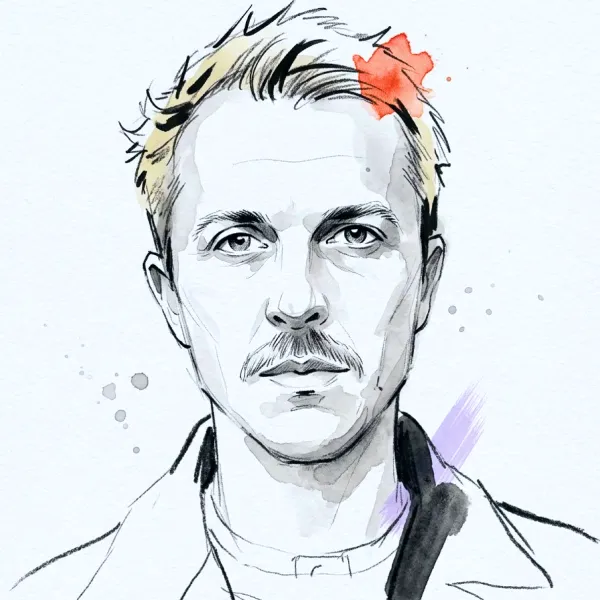
Diesel appointed Glenn Martens Creative Director on 8 October 2020, ending nearly three years without a formally announced house-wide successor. The appointment joined an experimental designer with one of fashion’s largest denim businesses and opened a new cycle built around archive product, industrial treatment and public presentation.
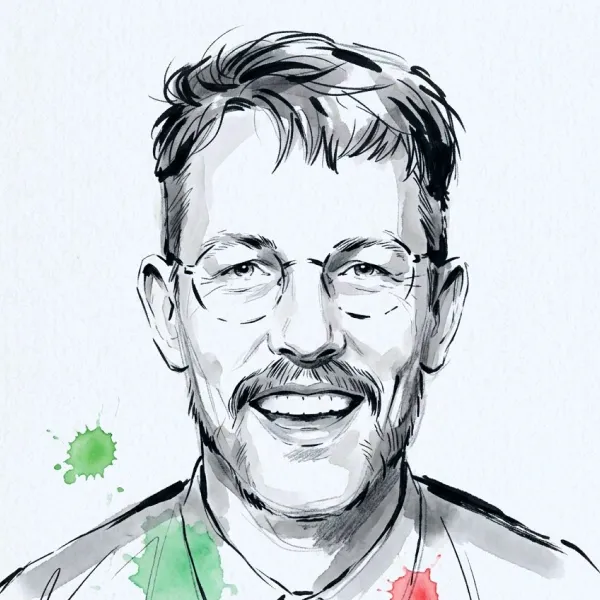
The 35th Festival d’Hyères concluded with Tom Van Der Borght winning the Grand Prix. The edition placed particular emphasis on upcycling and textile innovation, giving the awards circuit a sharper relationship to material practice rather than pure new-talent ceremony.
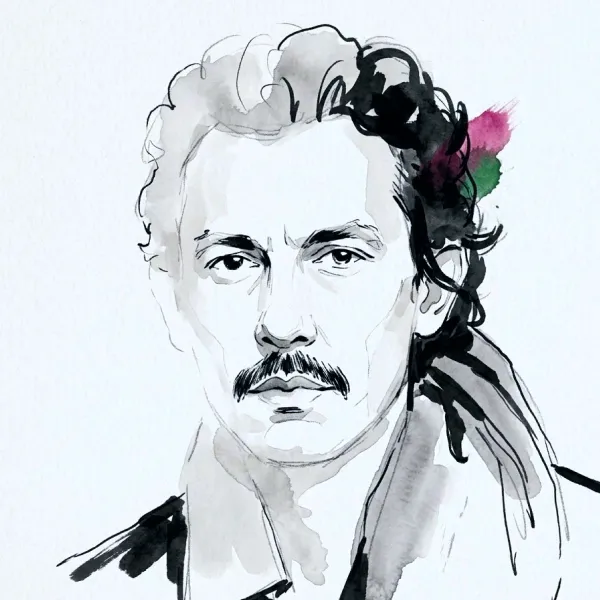
Haider Ackermann terminated his agreements with Atelier Haider Ackermann on 30 October 2020 after the label’s authorised seasonal activity stopped and its relationship with BVBA 32 collapsed. The break separated the designer from the operating company that had commercialised his name since 2005.
November
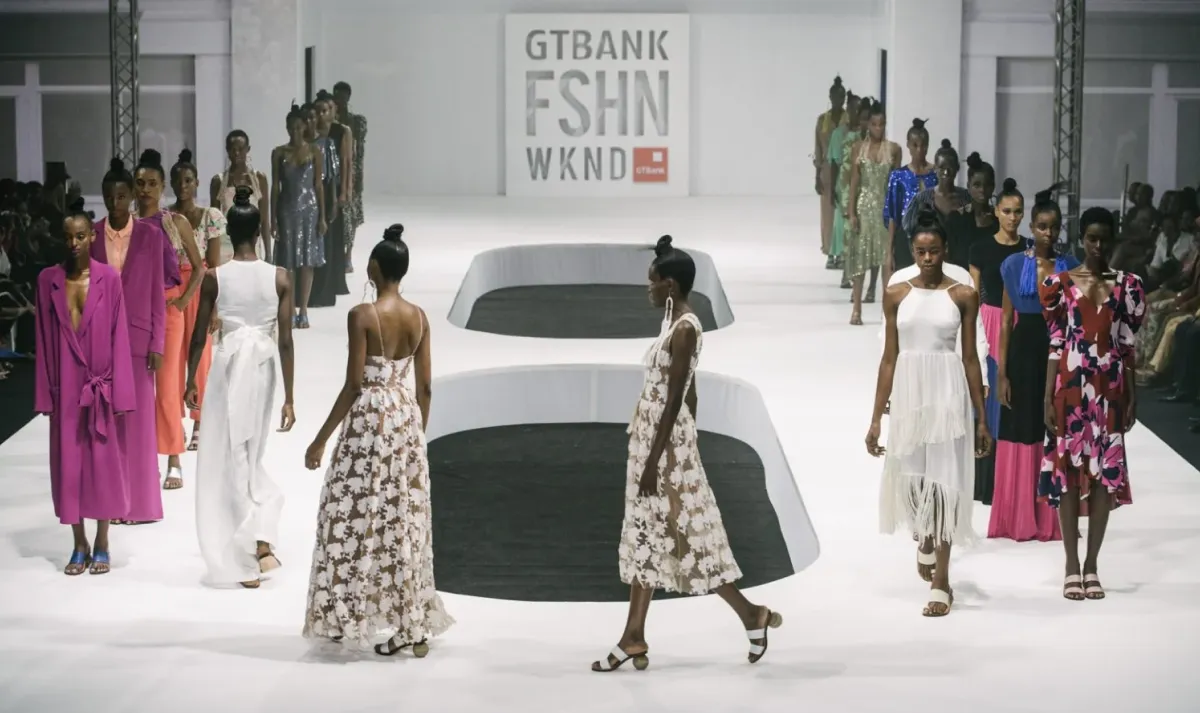
GTBank Fashion Weekend moved online while maintaining a pan-African platform for designers during pandemic restrictions. The virtual edition kept West African fashion visibility active during a year when event infrastructure was severely constrained, rather than leaving the digital reinvention story to the usual European and American centres.
Jakarta Fashion Week’s fully digital edition showed remote fashion-week delivery becoming institutional rather than exceptional. By late November, South-East Asia was no longer simply responding to emergency conditions; it was folding digital presentation into the operating logic of a regional fashion platform.
december
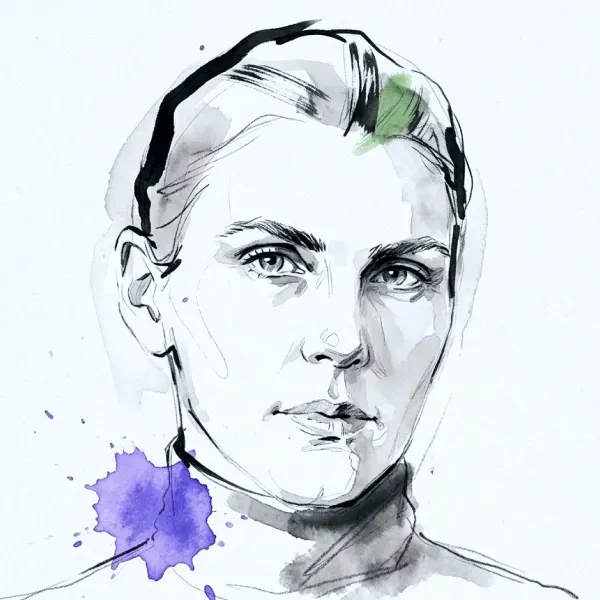
Chloé appointed Gabriela Hearst creative director in December 2020, bringing her namesake-label practice and environmental governance into the Richemont house. The appointment opened a tenure in which collection design, artisan partnerships and product traceability were developed alongside the company’s B Corp certification.
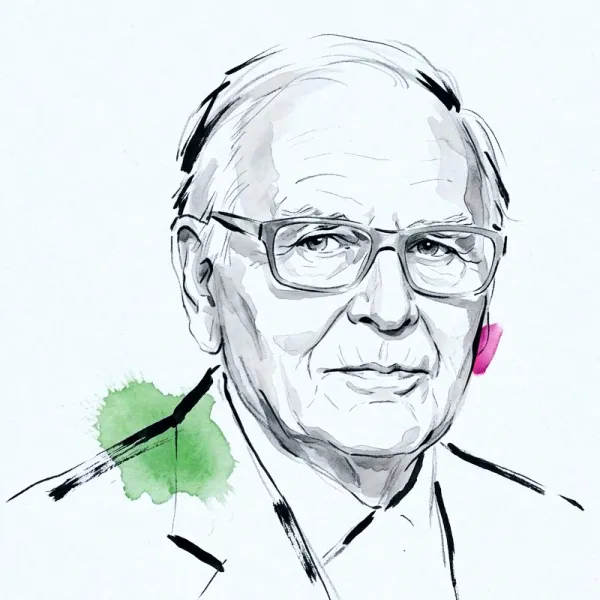
Pierre Cardin died on 29 December at the age of 98, closing the year with the loss of one of fashion’s most commercially expansive modern figures. His Space Age image-making and licensing empire offered a reminder of a very different idea of what a designer brand could become.
The screen inherited the season
By the summer, fashion had stopped waiting for interruption to be temporary. London tested a digital-only, gender-neutral week; Paris couture went online; Paris menswear made film a survival language, with Loewe’s "Show in a Box" turning absence into object; Milan built its own digital platform. The year’s most convincing experiments did not pretend that the screen was a runway. They understood it as a different room, with different laws.
The damage underneath was less elegant. J.Crew, Neiman Marcus, J.C. Penney, Brooks Brothers, Ascena, Lord & Taylor and Tailored Brands gave 2020 its retail obituary roll-call, while the LVMH Prize, ANDAM and other institutions shifted from celebration to triage. Raf Simons’s appointment at Prada and Kim Jones’s move to Fendi still gave the year creative architecture, but even those changes sat inside a larger emergency: survival instincts, discount pressure, digital escalation and a Darwinian shakeout.
Kenzo Takada’s death from Covid complications made the pandemic’s abstraction suddenly intimate. 2020 ended with fashion changed less by innovation rhetoric than by compulsion. The industry did not choose the future, the present withdrew the alternatives.
Spot a mistake or a missing event? TFDB’s year chronologies are edited, researched and regularly revised. Send us a correction or suggestion, if it meaningfully improves the record, we’ll credit your contribution.


