

2022 in fashion

Inter arma, the runway could not look away
2022 began with fashion trying to re-enter the room.
Physical shows returned, occasion dressing stirred, and the industry spoke the language of recovery with a practised, slightly brittle optimism. The pandemic was no longer the only script, but its afterclap was everywhere: hybrid schedules in London, Tokyo and Seoul; digital distribution kept as infrastructure rather than novelty; supply chains still snarled; luxury spending redirected towards domestic markets.
Then Russia invaded Ukraine, and fashion’s usual compartmentalisation began to look obscene. Giorgio Armani removed music from his Milan runway. The FHCM asked Paris Fashion Week to proceed with solemnity. Balenciaga’s snowbound Fall 2022 show became impossible to view outside the war’s shadow, whatever had been intended before the tanks crossed the border. Vogue Ukraine’s embargo call, the freeze of Russian luxury operations, Condé Nast’s suspension of Russian publishing, and later support platforms for Ukrainian designers made clear that fashion’s response could not stop at sympathetic language.
The year’s sharpest truth was not that fashion returned, but that return itself had become morally and logistically complicated. The lights were back on, the room was changed.
January
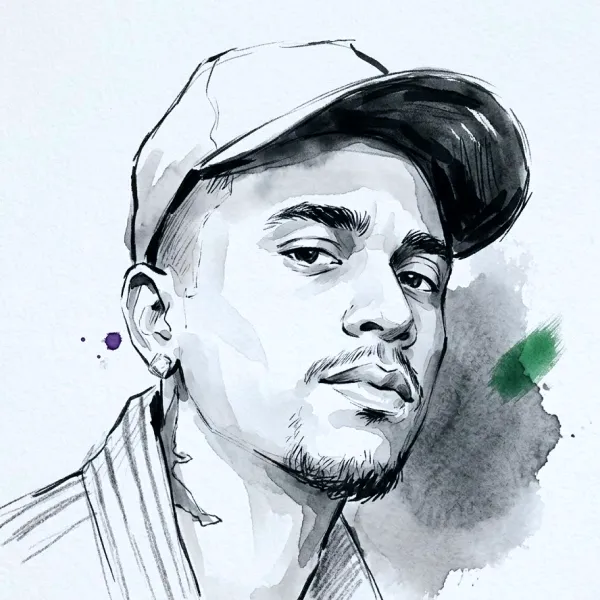

After years without a named creative director, Bally handed the role to Rhuigi Villaseñor, bringing an American, street-aware designer into one of Europe’s oldest leather houses. The appointment suggested a brand seeking renewed cultural legibility rather than depending on heritage alone to carry the message.
Louis Vuitton’s January menswear show became the formal Paris farewell to Virgil Abloh’s tenure after his death. It carried the weight of remembrance while still functioning as a collection presentation, closing a menswear chapter whose influence could not be tidily contained by one final runway.
Nigo’s first Kenzo show opened a new house chapter through archive, streetwear and Japan-Paris continuity. It also carried unusual authorship value: Kenzo had not had a Japanese designer at the creative helm since its founder, which made the debut something more than routine calendar business.
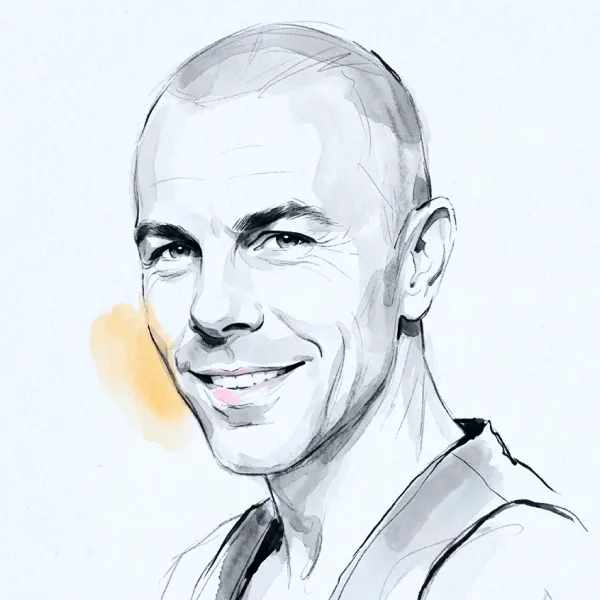
Mugler’s death marked the loss of a designer who treated silhouette, image, performance and direction as parts of one unusually complete fashion authorship.
February

The Jimmy Choo / Mugler collaboration turned Cadwallader’s footwear language into a named joint collection with separately credited creative and campaign teams.
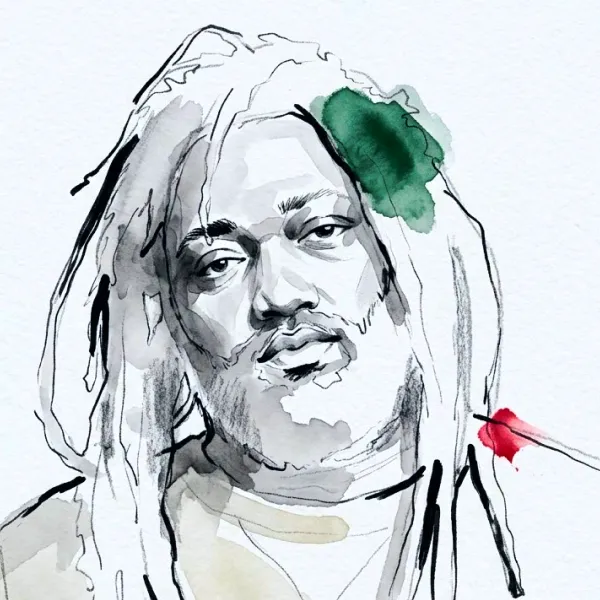
Supreme’s appointment of Tremaine Emory formalised creative authorship at a brand long defined by a more elusive model of control. Under VF Corp ownership, that structural shift made the hire one of 2022’s more telling streetwear-business signals.
Matthieu Blazy’s first Bottega Veneta collection established a new mood around craft, material illusion and clothes-first luxury. After the previous chapter’s high visibility, the debut proposed a quieter authority without lapsing into timidity, which was precisely why it landed so quickly.
Giorgio Armani’s silent runway in Milan registered as one of fashion’s earliest formal responses to the war in Ukraine. Nothing in the collection itself needed to be rewritten; instead, the removal of music altered the conditions of attention and made restraint speak more sharply than overt declaration might have done.
Off-White’s Fall 2022 runway operated at once as tribute, continuation and open succession question after Virgil Abloh’s death. The show pushed the label forward through studio authorship while keeping the founder’s absence unmistakably at the centre of the presentation.
The FHCM’s appeal for solemnity reframed Paris Fashion Week through the reality of war in Europe. As an institutional statement, it placed responsibility on the calendar itself, not only on individual designers trying to decide how much normality the moment could bear.
March
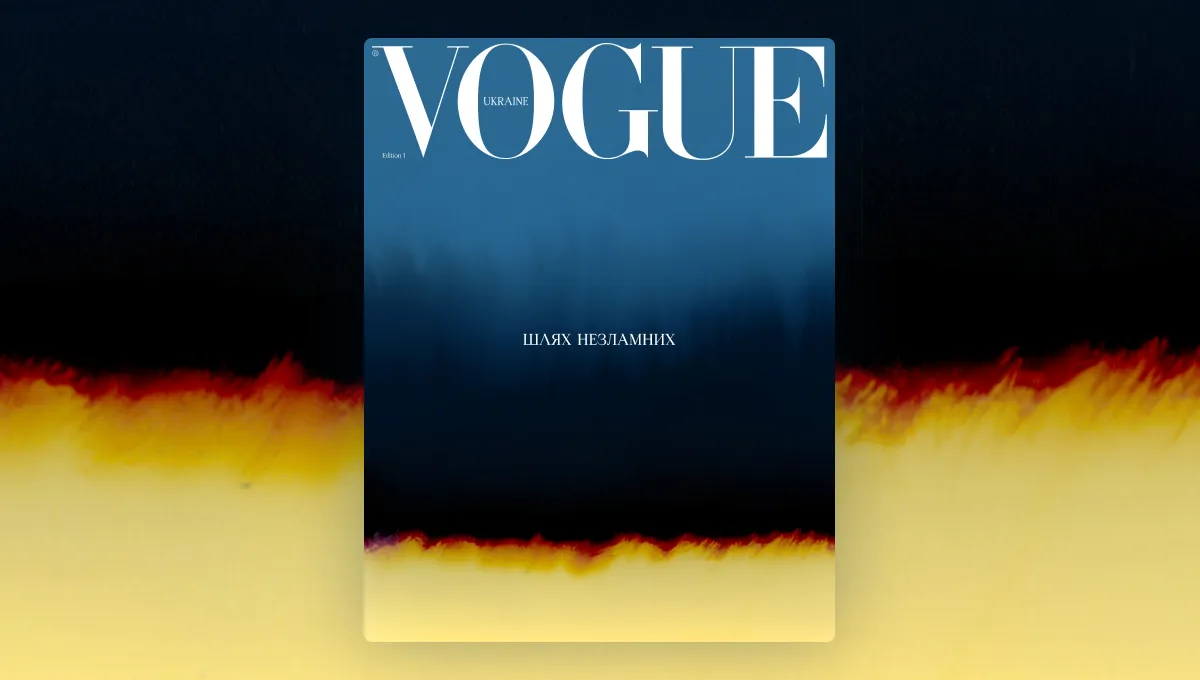
Vogue Ukraine’s call for an embargo on fashion and luxury exports to Russia turned a fashion-media title into a direct pressure point inside the industry. Under wartime conditions, fashion journalism moved from observation into intervention.
Germanier moved from showroom and digital formats to its first physical Paris runway show at Maison Baccarat.
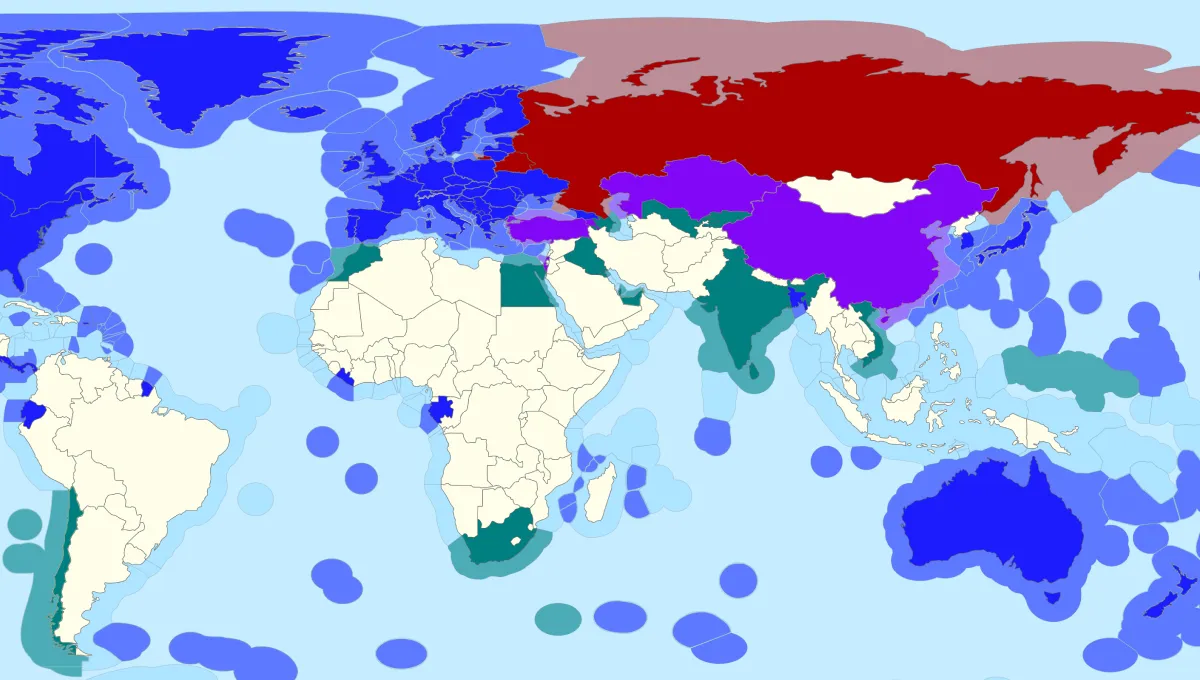
The rapid suspension of Russian operations by major luxury groups became one of the industry’s clearest business responses to the war. The market freeze exposed how quickly a seemingly integrated luxury system could be severed when political conditions changed.
At Balenciaga, the Fall 2022 show was overtaken by the shock of Russia’s invasion of Ukraine and became one of the season’s most charged runway moments. Rarely did geopolitical context alter the act of viewing so directly, with the collection arriving under a pressure that could not be separated from the wider historical moment.
Condé Nast’s suspension of publishing in Russia showed the wartime rupture extending beyond retail and product into fashion’s media infrastructure. What broke here was not simply a market connection but a longer-standing bridge between the Russian luxury sphere and the wider industry.
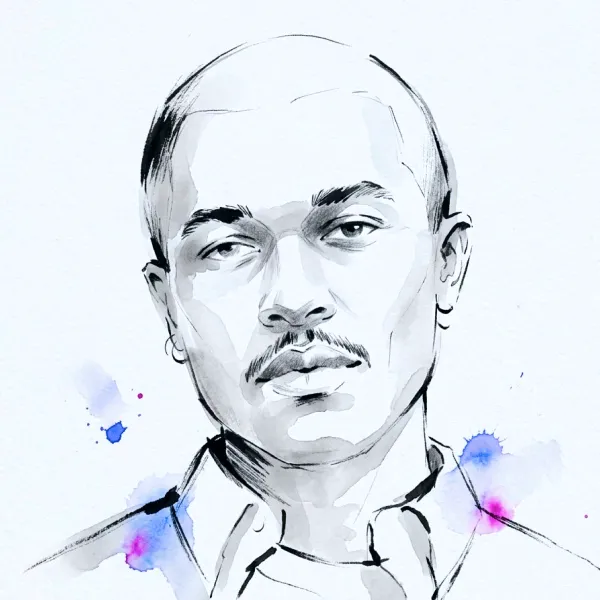
Ferragamo’s March appointment of Maximilian Davis set in motion one of the year’s most closely watched luxury resets. The decision pointed towards a younger, more exacting Mediterranean direction, with the runway still to determine how far the house was prepared to follow through.
Rakuten Fashion Week TOKYO’s March season offered a post-pandemic timeline that did not simply mirror Paris or Milan. Physical shows had returned, yet video and livestream infrastructure remained central, making Tokyo one of the clearer examples in 2022 of hybrid format as policy rather than patchwork.
Jean Gritsfeldt’s Berlin presentation made wartime upheaval a concrete production condition rather than a distant backdrop. Directed remotely from Kyiv and realised with volunteers in Berlin, it showed fashion being reassembled across borders under invasion.
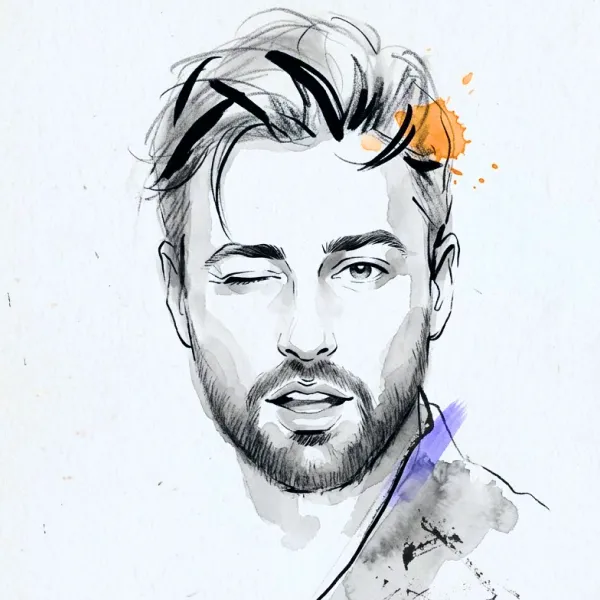
At Missoni, the appointment of Filippo Grazioli placed another family-coded Italian house under outside creative direction. The interest lay less in spectacle than in governance and authorship, as a chromatic heritage brand tested cleaner silhouettes and a more fashion-forward register.
Seoul Fashion Week’s March hybrid edition captured a cautious reopening model in which physical visibility and digital distribution still had to coexist. The season placed Seoul in a transitional register, moving out of pandemic dependence without pretending the reset was complete.
FDCI x Lakmé Fashion Week’s fully physical March edition offered a useful reminder that India’s runway calendar was rebuilding live infrastructure on its own timetable. It widened the story of 2022 reopening beyond the Big Four, where physical return was too easily mistaken for the industry’s universal tempo.

The launch of Bettter.Community translated wartime solidarity into an operational support structure for displaced Ukrainian creatives. Its practical emphasis on work, visibility and survival gave fashion’s response to the invasion a more concrete form.
Chloé announced in March 2022 that See by Chloé would be phased out over three years as the company concentrated on the main luxury line. Summer 2024 was later described by the line’s official channel as its final collection, although final retail sell-through and the legal end of the licence remain unresolved.
April
Through its Ramadan Fashion Festival, Jakarta Fashion Week treated hybrid presentation and commerce as a working model rather than a temporary pandemic repair. Virtual presentation and online-offline shopping were combined as ordinary infrastructure, which said more than any abstract debate about format ever could.
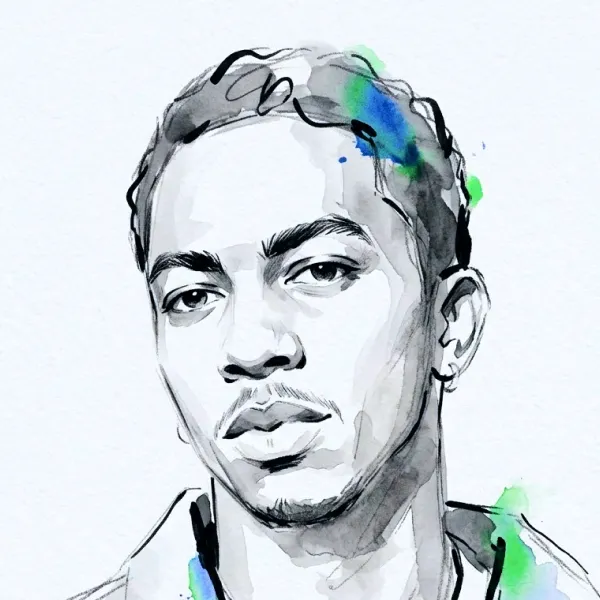
Saul Nash’s International Woolmark Prize win secured firmer global recognition for one of London’s strongest younger labels. It also placed movement-led performance fashion and technical sportswear thinking inside a serious design-prize conversation rather than a peripheral sportswear lane.
Camille Miceli introduced her Pucci chapter in Capri through a launch that brought both a new designer and a new operating logic into view. By leaning into an off-calendar, destination-led resort model, the house was recast less as a conventional runway label than as a controlled lifestyle proposition.
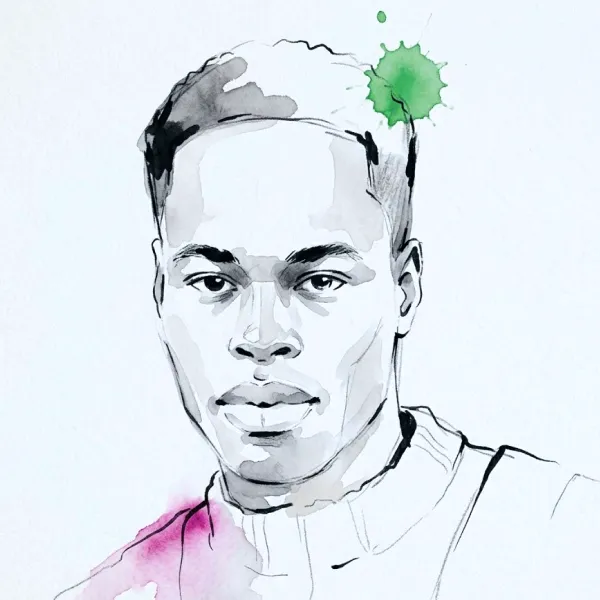
Off-White’s appointment of Ibrahim Kamara created a visible post-Abloh structure without forcing the brand into a conventional replacement story. As Art & Image Director, Kamara offered continuity through styling, imagery and editorial sensibility, which suited a label built as much through cultural framing as through garments themselves.
May
The Japan Fashion Week Organization’s Digital Division support scheme confirmed that digital presentation was still being treated as real infrastructure deep into 2022. Administrative on the surface, the programme reflected a regional pace of post-pandemic adjustment that differed markedly from Europe’s quicker return to physical spectacle.
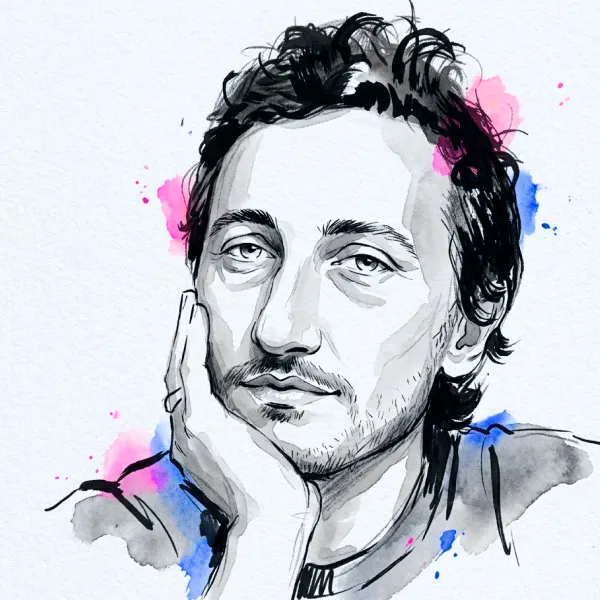
At Etro, the appointment of Marco De Vincenzo shifted creative control beyond the founding family and introduced more explicit outside authorship. For a heritage label so closely tied to familial continuity, the change carried structural significance as well as visual promise.
June
Maison Georges Hobeika appointed Jad Hobeika as co-creative director in 2022, formalising a second-generation leadership structure alongside founder Georges Hobeika.
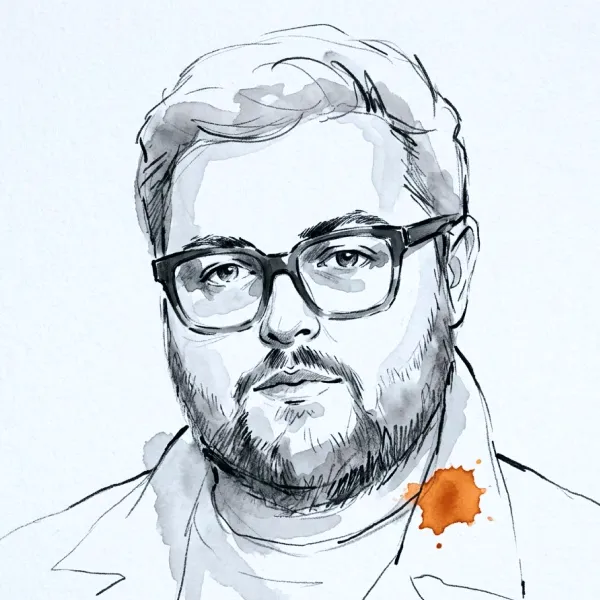
For S.S. Daley, the LVMH Prize win shifted one of British menswear’s sharpest new labels into a more institutional field of visibility. It also underlined how powerfully prize systems still shape which emerging designers the wider industry is encouraged to take seriously.
By June, Louis Vuitton’s menswear show made the house’s post-Abloh interim phase visible on the Paris calendar. As a studio-authored collection, it clarified how a major luxury house attempted to preserve continuity after a loss that could not be treated as a routine vacancy.

For Botter, the ANDAM Grand Prize brought institutional reinforcement to a label already associated with contemporary menswear, sustainability and political design language. The award validated a project that linked clothes to climate, identity and postcolonial thought without reducing any of those concerns to mere slogan.
Robert Wun won the 2022 ANDAM Prix Spécial and entered a year of mentorship with Bruno Pavlovsky, strengthening the house’s business and institutional position before its couture-calendar debut.
July
August
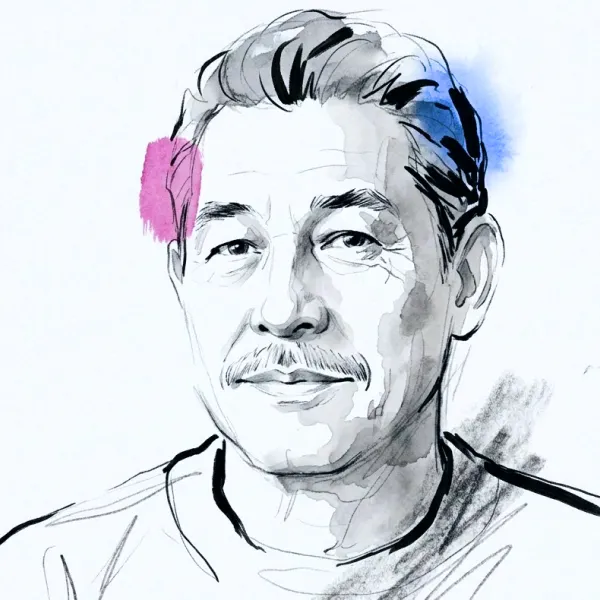
The death of Issey Miyake marked the loss of one of modern fashion’s foundational designers, whose work reshaped the relationship between clothing, movement, material and construction.
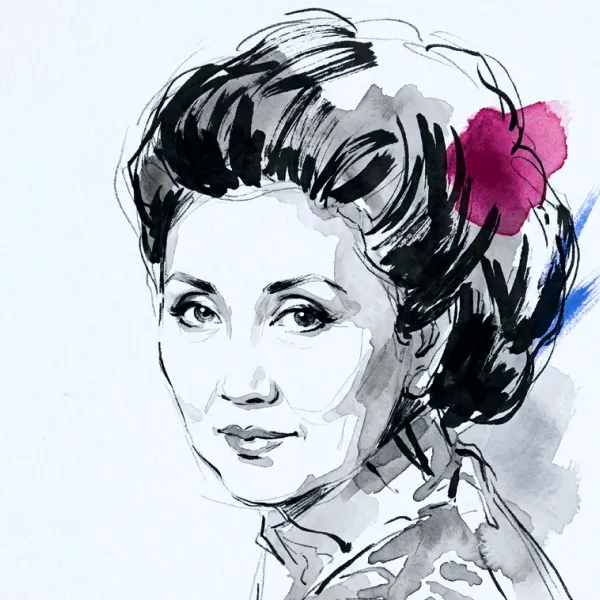
The death of Hanae Mori marked the passing of one of Japan’s foundational international couturiers. As a bridge between Japanese design and European couture, her legacy added another moment of sober reflection to 2022’s chaotic history.
September
The Paris presentation of À Mon Seul Désir gave Kiko Kostadinov womenswear a standalone runway moment under Laura and Deanna Fanning, making the women’s division legible as its own authored body of work.
Berlin Fashion Week gave programme space to more than 35 Ukrainian designers in September, folding wartime support directly into its event architecture. The initiative moved beyond sympathetic language and used fashion-week infrastructure in a practical way to sustain cultural visibility.
At New York Fashion Week, Kyiv Art & Fashion Days adopted a showroom-and-discussion format better suited to wartime displacement than a conventional catwalk. Its force was practical rather than symbolic alone, creating visibility, sales opportunity and sustained conversation around Ukraine’s creative economy.
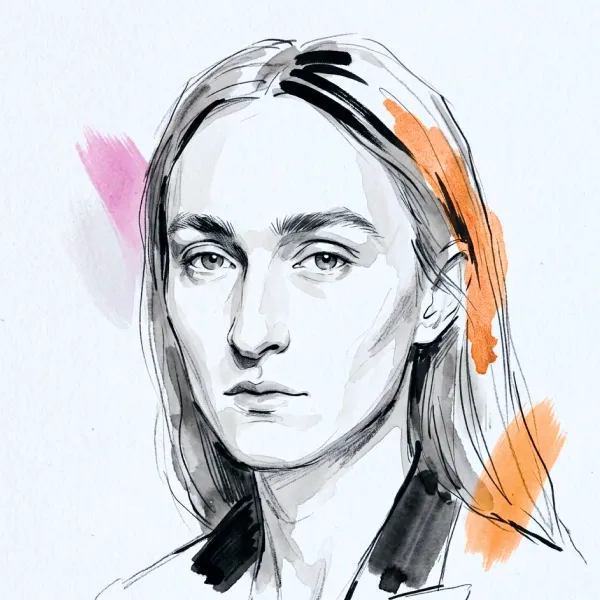
By appointing Harris Reed, Nina Ricci paired a historic Paris name with a designer already fluent in image, film and theatrical gender play. The hire sharpened the house’s bid for renewed relevance, with heritage being reworked as narrative and cultural proposition as much as product.
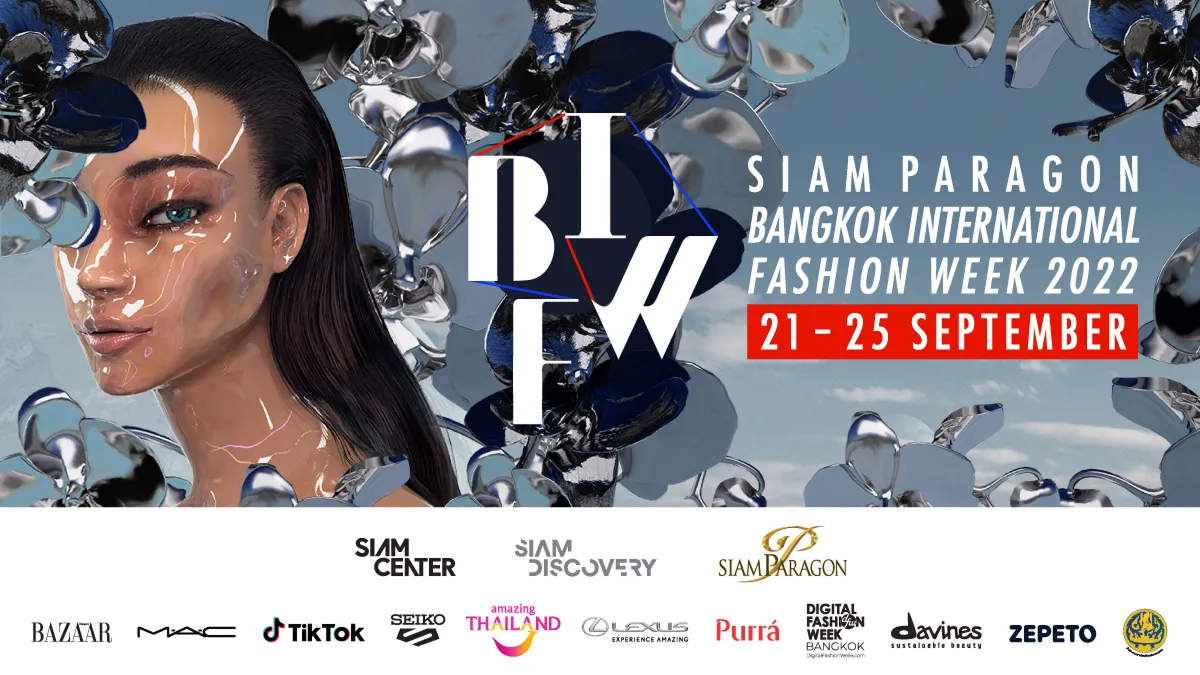
In Bangkok, the 2022 edition of Bangkok International Fashion Week treated runway, virtual participation and instant commerce as parts of the same event system. What might once have read as emergency adaptation had, by then, begun to look more like a deliberate public format for fashion in South-East Asia.
When Maximilian Davis debuted at Ferragamo, the March appointment was translated into a clear visual programme. Sharper silhouette, mood and generational pitch all came into view at once, making the collection one of the year’s more convincing designer debuts.
Rhuigi Villaseñor’s first Bally show combined a designer debut with a return-to-runway moment for a house long absent from that format. Authorship and institutional visibility were restored at the same time, giving Bally’s reset a sharper and more public edge.
Vogue Ukraine’s Paris Fashion Week collaboration with The Dematerialised turned digital fashion and NFT sales into a wartime revenue tool. The project complicated 2022’s digital-fashion story by tying the format to funding and survival rather than novelty.

Bench Fashion Week returned to an on-site runway after pandemic-era all-digital editions, capturing the uneven pace of live-show normalisation beyond the main Western capitals. Its later timing was useful precisely because it showed reopening arriving on different clocks rather than according to one tidy global narrative.
By the time Bella Hadid’s spray-on dress closed the Coperni show, 2022 had acquired one of its most widely circulated runway images. The finale was not just a viral flourish but a neat condensation of the year’s appetite for fashion-tech theatre in a single live set piece.
Victoria Beckham’s first show on the official Paris Fashion Week calendar clarified the label’s luxury ambitions more effectively than another off-calendar presentation could have done. It shifted the brand’s positioning through calendar authority as much as through the clothes themselves.
October
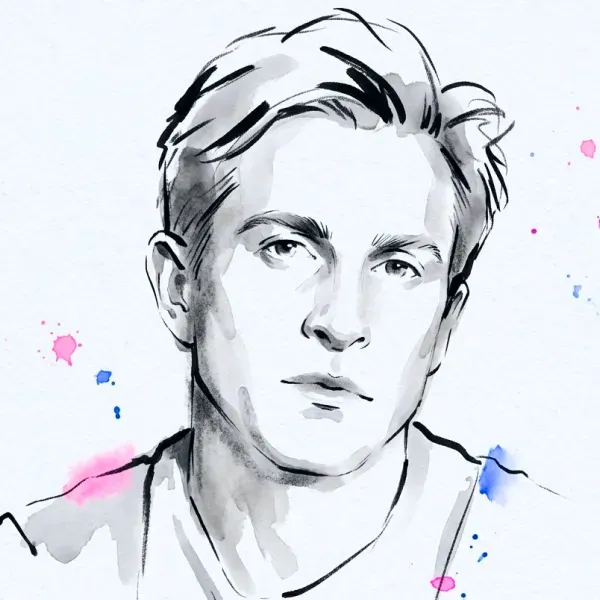
Daniel Lee began as Burberry Chief Creative Officer on 3 October 2022, completing the rapid succession from Riccardo Tisci. The appointment returned attention to outerwear, check, equestrian symbols and British public culture while leaving executive strategy and specialist authorship distinct from collection direction.
Seoul Fashion Week’s return to DDP in October completed a staged shift from digital dependence towards on-site runway presence. Read beside the March hybrid season, it gives Seoul’s 2022 a clear transition arc rather than a tidy one-day restart.
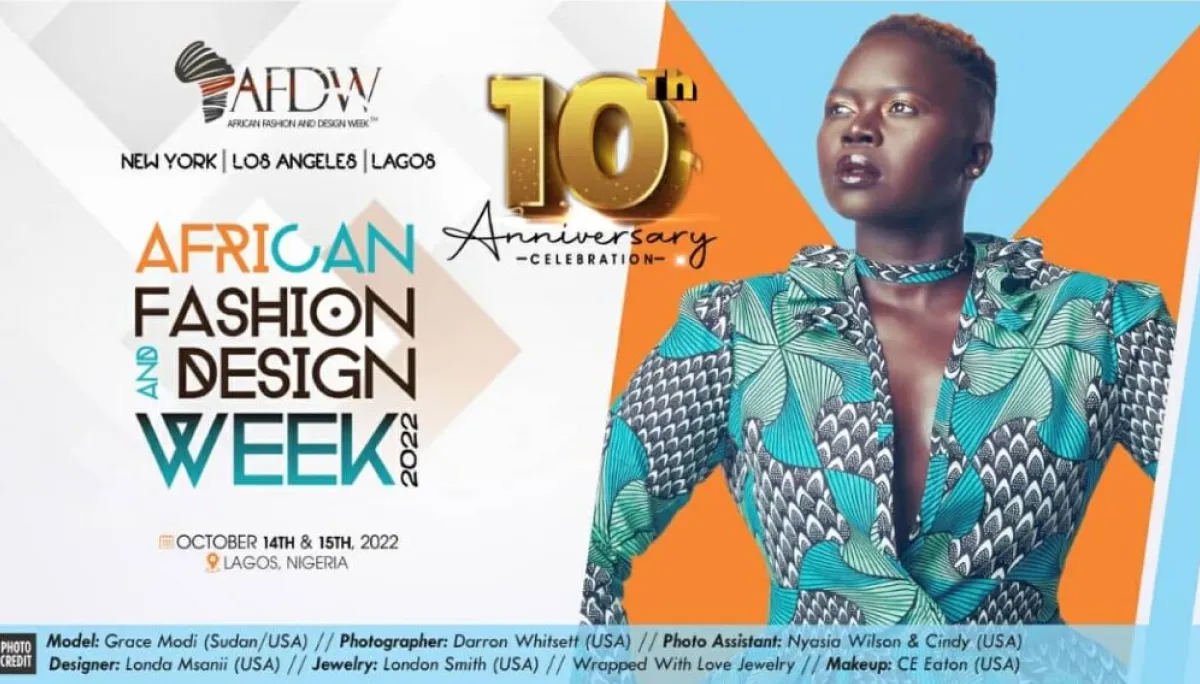
In its tenth-anniversary edition, African Fashion and Design Week kept attention fixed on a pan-African platform operating beyond the habitual Paris-Milan-New York-London frame. The milestone spoke to fashion infrastructure being built, maintained and publicly staged outside the industry’s preferred centres of gravity.
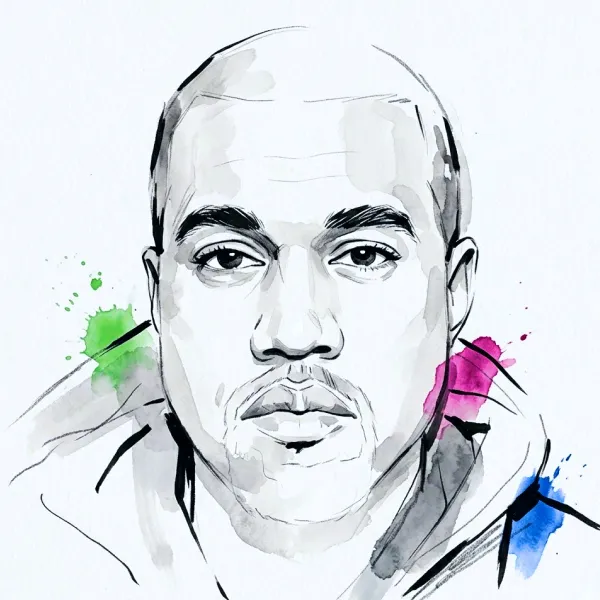
Balenciaga’s break with Ye became one of the clearest examples of a luxury house moving to contain reputational risk around a celebrity collaborator. It also sat within the wider unravelling of Ye’s fashion-business relationships later that month, as brands and corporate partners began cutting ties in quick succession.
Jakarta Fashion Week returned on site in October, giving a clear picture of live-show normalisation arriving on a timetable distinct from Europe’s. Physical presence was back, but the hybrid habits formed during the pandemic were not discarded so much as layered into the event’s continuing structure.
With the termination of Yeezy, Adidas brought one of the decade’s most lucrative fashion-sportswear alliances to an abrupt end. The split laid bare the reputational and financial exposure built into celebrity-driven fashion business with a bluntness few corporate ruptures manage.
Lagos Fashion Week’s 2022 edition further consolidated the event’s standing as one of the key pan-African fashion platforms. At a moment when many calendars were still negotiating physical return and international visibility, Lagos offered a grounded counterweight to the usual Euro-American centre of gravity.
November
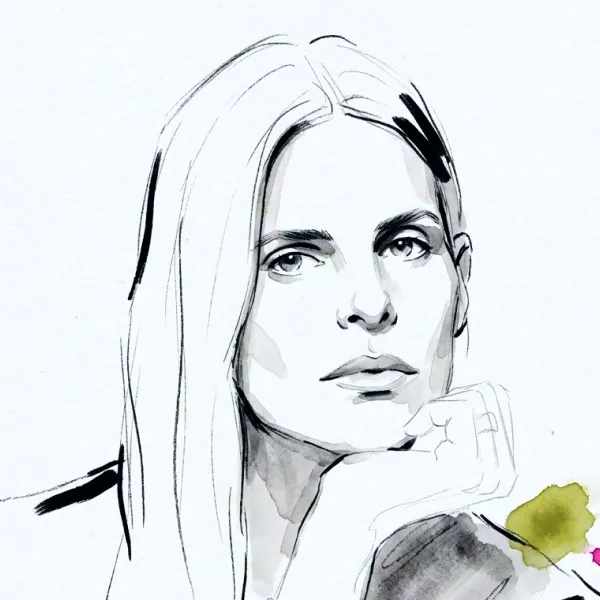
When Catherine Holstein won the CFDA award for Khaite, formal recognition was being given to one of New York’s central contemporary womenswear forces. The decision endorsed a vision of American fashion built around controlled, commercial and sharply edited clothes that had little interest in shouting for attention.
The proposed $2.8 billion sale moved Tom Ford from founder ownership toward a divided operating structure across Estée Lauder, Zegna and Marcolin. The agreement was one of the year’s most consequential luxury transactions.
Raf Simons’s decision to close his namesake label brought one of contemporary fashion’s defining independent projects to an end. The closure also fixed the Spring/Summer 2023 collection as a final runway statement, giving the moment both business finality and a clear farewell image.
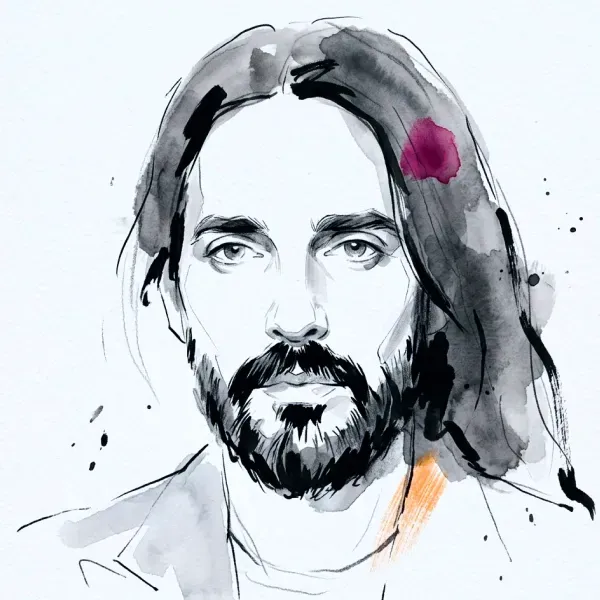
Alessandro Michele left Gucci after nearly eight years as creative director. The departure closed one of the decade’s most commercially expansive and visually recognisable luxury tenures, leaving the design office to carry three collections before his successor’s debut.
december
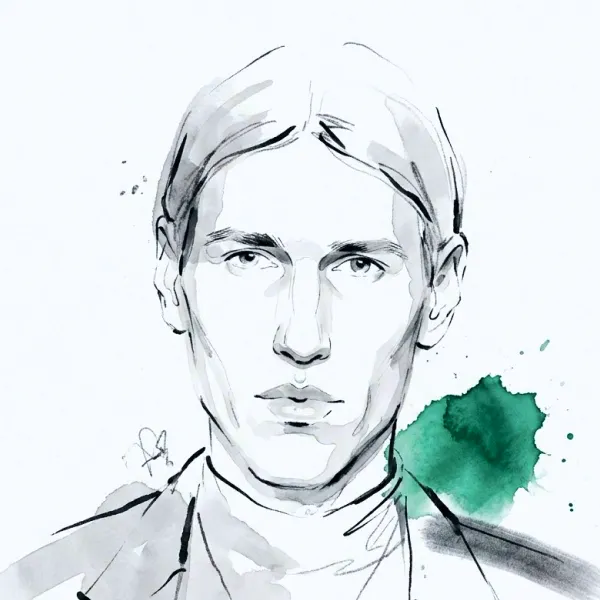
The appointment of Ludovic de Saint Sernin placed a visibly different, hyper-sensual design language at the head of Ann Demeulemeester and made the limits of post-founder reinterpretation a central question for the house.
Recovery, with the trapdoors visible
By the end of 2022, the industry had recovered enough to perform confidence, but not enough to make confidence convincing. Matthieu Blazy’s Bottega Veneta debut, Maximilian Davis at Ferragamo, Daniel Lee’s arrival at Burberry and Alessandro Michele’s exit from Gucci gave the year its creative-volatility plotline. Yet those handovers sat inside a larger machinery of war, inflation, sanctions, supply stress and post-pandemic recalibration.
Russia’s luxury isolation redrew the map with unusual speed. A market that had once been treated as part of the global luxury circuit became a closed door, while Ukrainian designers and media had to turn visibility into survival. Elsewhere, Asian fashion weeks moved unevenly from hybrid formats back towards physical presence: Seoul’s staged return to DDP and Tokyo’s mixed infrastructure showed that "normal" was arriving by region, not decree.
The losses sharpened the historical register: André Leon Talley, Thierry Mugler, Issey Miyake, Hanae Mori and Vivienne Westwood made 2022 feel like a year in which fashion was losing not only figures, but whole kinds of memory. What remained was a chastened industry, still capable of spectacle, but with the floorboards plainly creaking underneath.
Spot a mistake or a missing event? TFDB’s year chronologies are edited, researched and regularly revised. Send us a correction or suggestion, if it meaningfully improves the record, we’ll credit your contribution.


