

2023 in fashion
The vacant chair had excellent lighting
2023 reopened the room and immediately revealed how many chairs were empty, provisional, or being polished for someone else.
The runway had returned with its familiar wattage, but the sharper story lay in authorship: who was allowed to speak for a house, how quickly a new voice could be installed, and whether a studio, a celebrity, or an archive could hold the line while succession gathered itself backstage.
Gucci became the year’s most legible palimpsest, caught between Alessandro Michele’s afterglow and Sabato De Sarno’s "Ancora" reset. Louis Vuitton, by contrast, turned Pharrell Williams’s appointment into a grand proposition about cultural magnetism as creative authority. Elsewhere, Burberry, Helmut Lang, Tom Ford and Alexander McQueen each staged a different version of the same institutional problem: restoration, revival, continuity, and rupture, all sold with varying degrees of sang-froid.
The year also widened fashion’s theatre. Dior went to Mumbai, Gucci and Louis Vuitton looked to Seoul, Shanghai regained force, and Copenhagen’s sustainability rules gave governance a more architectural presence. Vogue World: London supplied the glossy mise en scene, part civic spectacle, part industry self-portrait. 2023, in the end, was not a clean comeback year. It was fashion under bright lights, discovering that visibility makes uncertainty harder to disguise.
January
Thom Browne began his term as chairman of the CFDA in January 2023, giving the designer a formal leadership role within the institutional structure of American fashion.
Field research moved YUIMA NAKAZATO’s sustainability work beyond material engineering towards the geography of clothing waste, landscape and environmental change.


Mugler’s January 2023 runway restored physical spectacle without discarding the cameras, choreography and media authorship developed during the film period.
Robert Wun became the first designer from Hong Kong to join the official Paris Haute Couture Week calendar, debuting as an FHCM Guest House in January 2023.
Copenhagen Fashion Week’s AW23 schedule was the first official edition fully governed by its minimum sustainability requirements. The point was institutional as much as aesthetic: a framework had started to act like a gatekeeper.
February
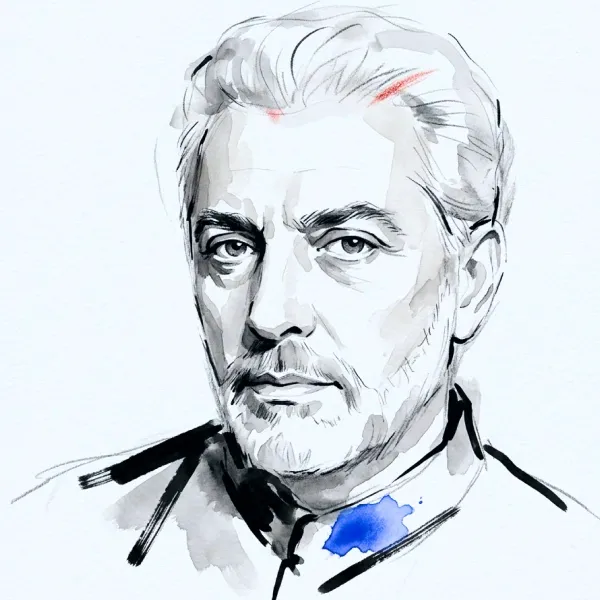
Paco Rabanne died in February at the age of 88, marking the loss of a designer whose metallic constructions and space-age imagination helped define one of postwar fashion’s more radical lines.
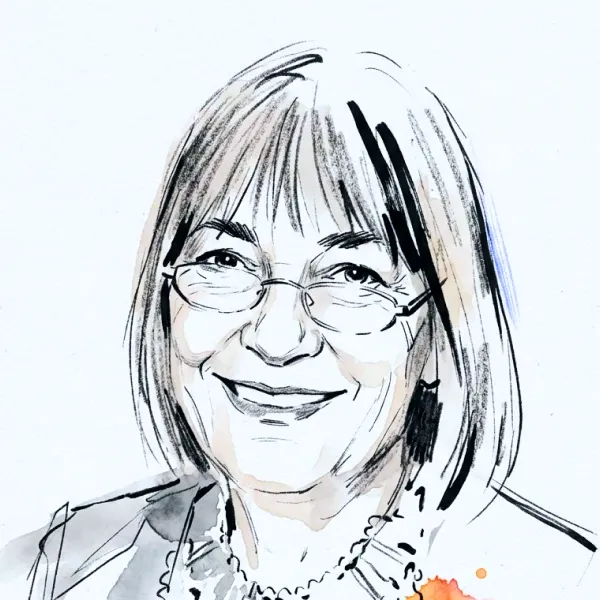
Hilary Alexander died in London in February at the age of 77. Her absence was felt not only as a personal loss but as the passing of a distinct journalistic voice within fashion media.
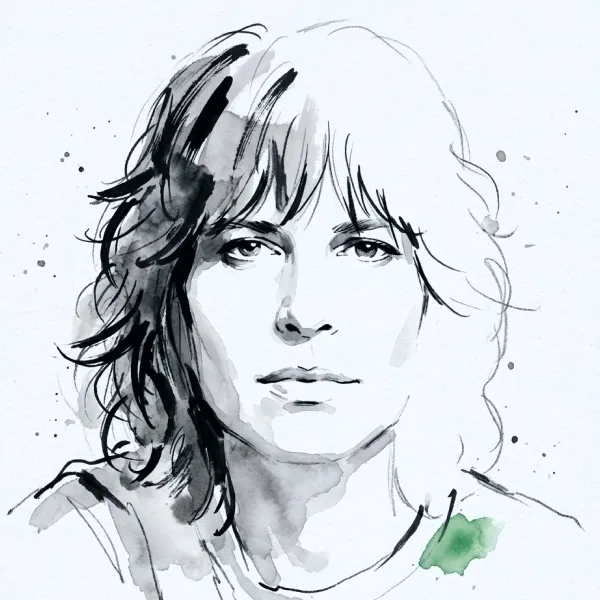
Lacoste began its next phase in February by appointing Pelagia Kolotouros from Adidas after Louise Trotter’s departure, turning the house’s transition into a defined leadership handover.
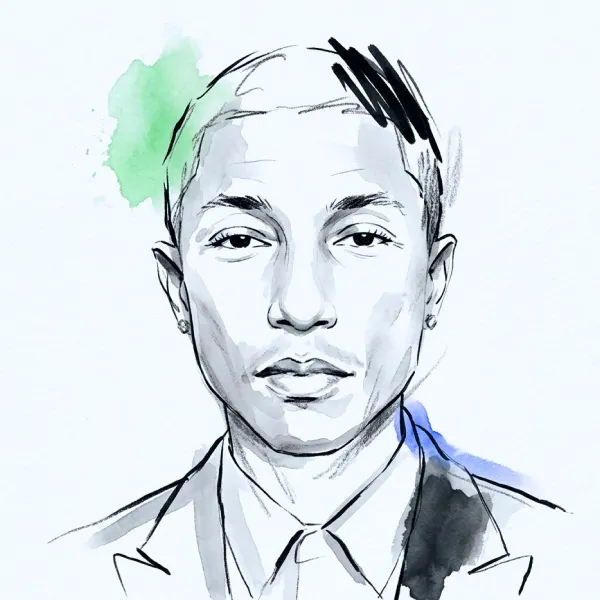
Louis Vuitton placed its menswear line in Pharrell Williams’s hands in February, filling the role left vacant after Virgil Abloh. The appointment was instantly one of the year’s defining personnel moves, if only because of the scale of the platform involved.
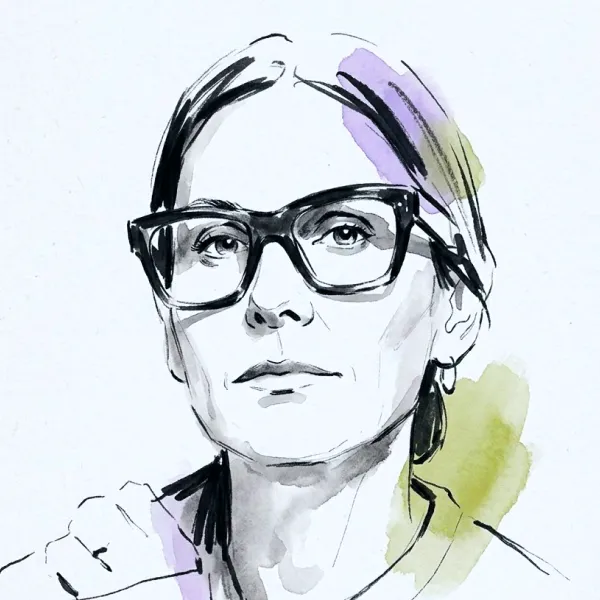
Carven re-entered the conversation by naming Louise Trotter as creative director after a period of internal restructuring. Her arrival turned a dormant question mark into an actual proposition, which is rather more useful from an editorial standpoint.
Jeremy Scott’s Fall 2023 runway would stand as his final Moschino collection. Seen in retrospect, the show became the closing gesture of a long, highly identifiable tenure rather than just another seasonal outing.
March
Harris Reed’s first Nina Ricci collection in Paris made the house’s change of authorship immediately visible, bringing a new tone as well as a new name.
Ludovic de Saint Sernin’s Autumn/Winter 2023 debut recast Ann Demeulemeester through extreme exposure and sheer construction. Its significance was intensified when it became the only collection of his tenure.
Balenciaga’s March runway arrived under the shadow of the 2022 advertising scandal, with coverage openly framing it as a reset. Few 2023 shows carried such a clear corrective function, which made this more than a routine seasonal presentation.

Moschino and Jeremy Scott ended a decade-long tenure in March, closing one of the more recognisable house-designer pairings of the period. The departure also set off a chain of vacancy, interim presentation and eventual succession that ran through the rest of the year.
On 24 March 2023, Chloé adopted the French legal status of Société à Mission, adding social and environmental objectives to its articles and establishing a mission committee. The change moved the house’s stated purpose into its corporate governance rather than leaving it as a communications programme.
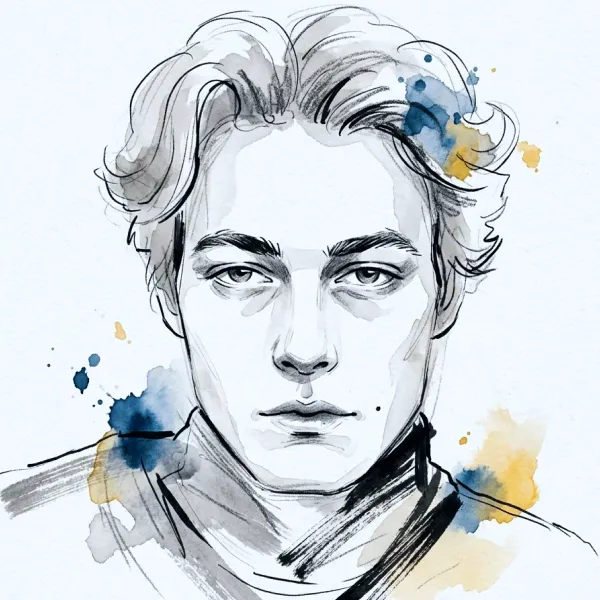
Charles de Vilmorin’s contract at Rochas ended on 31 March, closing a notably short tenure. In a year full of creative churn, brevity itself became part of the story.
April
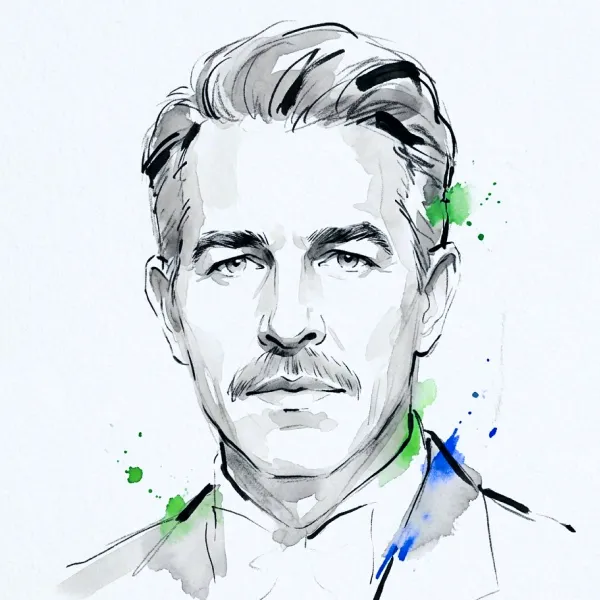
Dunhill turned to Simon Holloway in April, bringing in a designer from James Purdey & Sons after Mark Weston’s exit. It was a clean, consequential menswear succession, and it replaced uncertainty with a more legible creative direction.
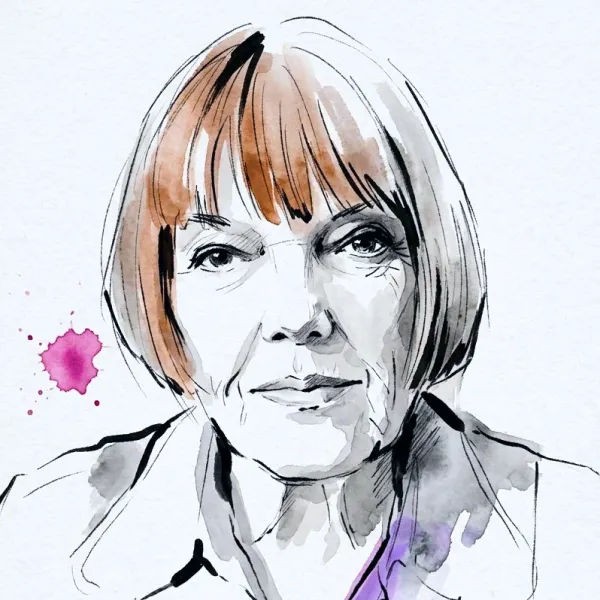
Mary Quant died in April at the age of 93, returning attention to a body of work that helped define the youthful, graphic and liberated mood of 1960s fashion.
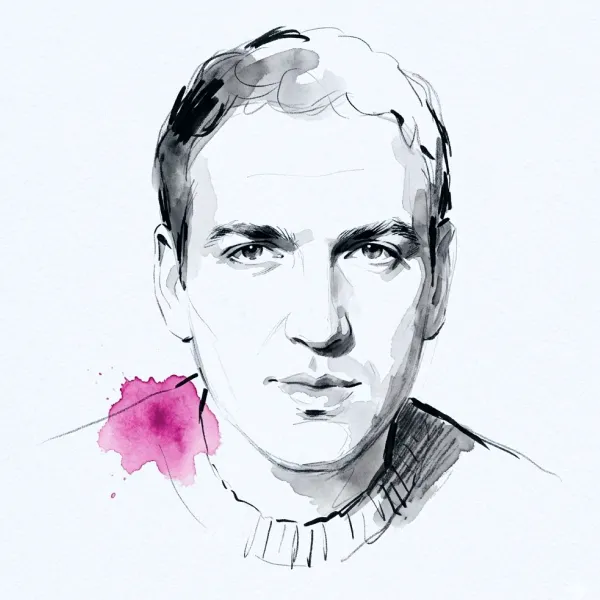
Lanvin confirmed Bruno Sialelli’s departure on 14 April 2023 and replaced one unified directorship with a three-part structure spanning the main studio, leather goods and accessories, and Lanvin Lab. The change matters because it altered the house’s authorship model rather than simply exchanging one designer for another.
Tom Ford marked his exit from the label with a final Fall 2023 collection release after the sale of the business. Founder farewells are rarely minor, and this one closed the first chapter of the brand in unmistakable terms.
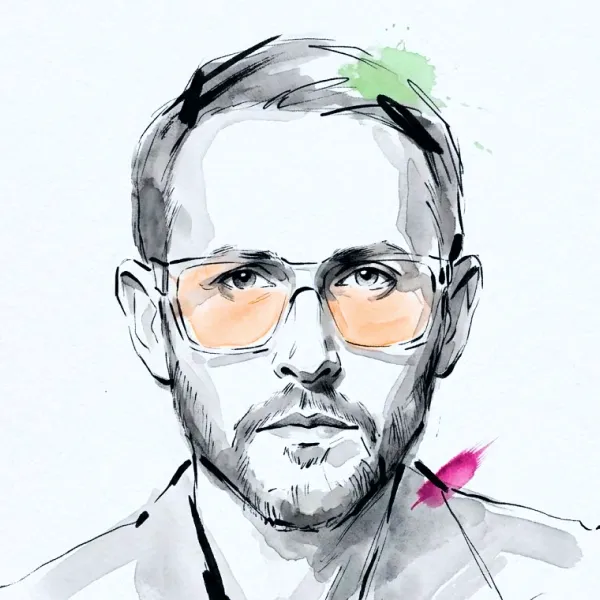
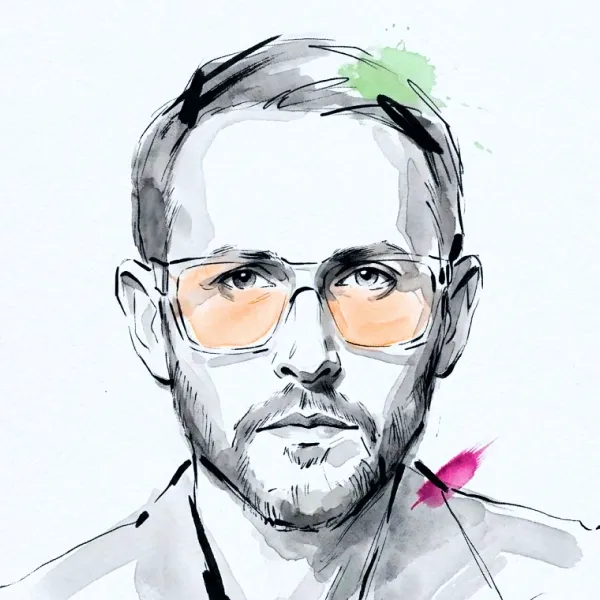
Peter Hawkings became Tom Ford creative director as the Estée Lauder acquisition closed, replacing the founder with a designer who had helped build the menswear business since 2006. The appointment made continuity the first strategy of the post-founder house.

The completed acquisition ended Tom Ford’s independent founder-owned structure and divided the house among an intellectual-property owner and specialist fashion and eyewear operators. The same date initiated the brand’s post-founder leadership transition.
Louis Vuitton staged its Women’s Pre-Fall 2023 show on Seoul’s Jamsugyo Bridge, giving the season one of its clearest destination moments. The setting mattered because it turned a pre-fall collection into a full-scale calendar statement.
May
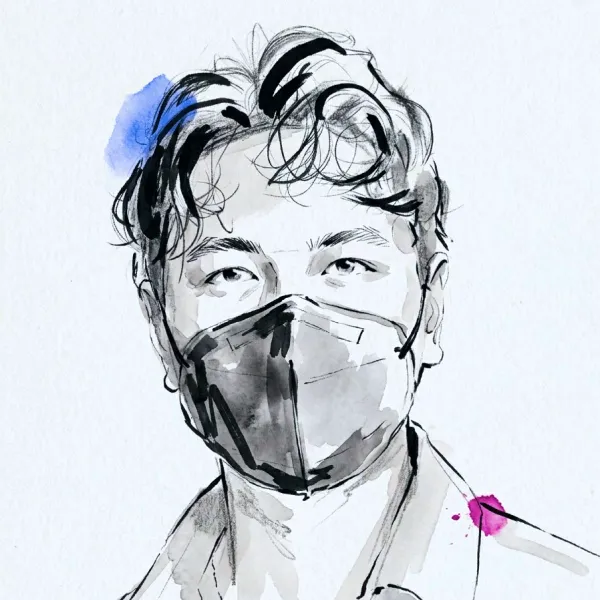
Helmut Lang named Peter Do as artistic director in May, explicitly tying the appointment to a renewed push onto the runway. That made the row more than personnel admin: it announced a reactivation strategy in a single move.
Mugler H&M translated both founder-era archive and Cadwallader’s current product language into a mass-market collection across women’s, men’s and accessories.
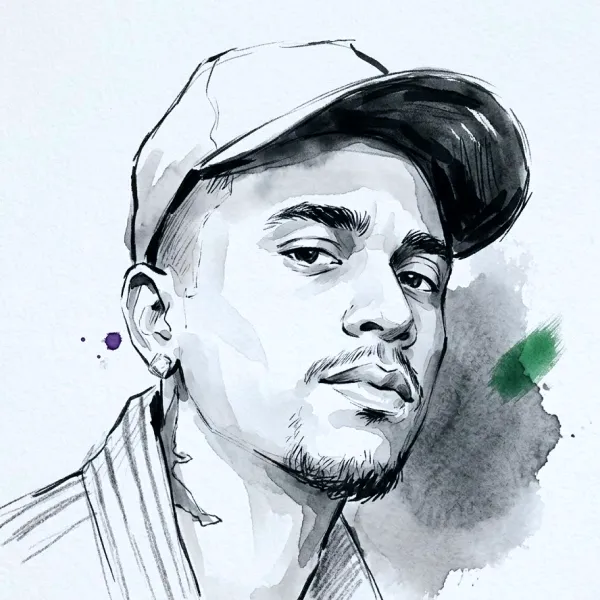
Bally and Rhuigi Villaseñor parted ways in May, ending a relatively short chapter at the house. The departure also set up the Simone Bellotti appointment and debut that followed, making it part of a larger 2023 transition arc.
Lagos Space Programme won the International Woolmark Prize on 15 May, giving 2023 a sharply defined emerging-designer milestone. The award made Adeju Thompson the first African designer to win the prize and pushed the Lagos label onto a much wider international stage at a moment when independent brands were still fighting for room, capital and visibility.
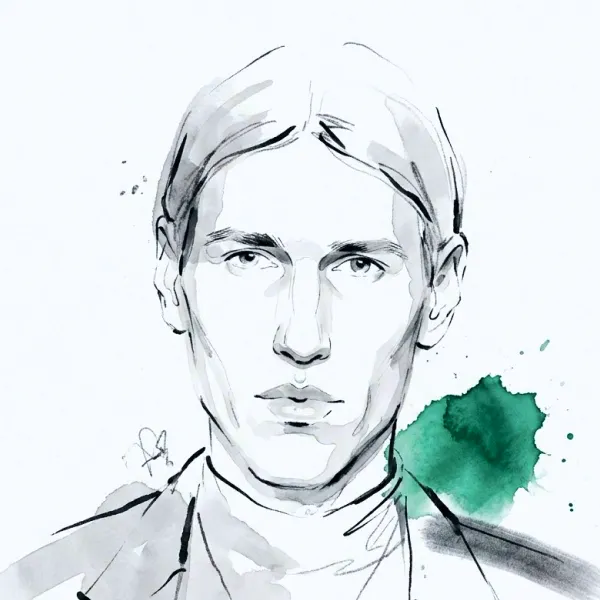
Ludovic de Saint Sernin left Ann Demeulemeester after one collection, turning an already conspicuous appointment into one of the year’s briefest house tenures.
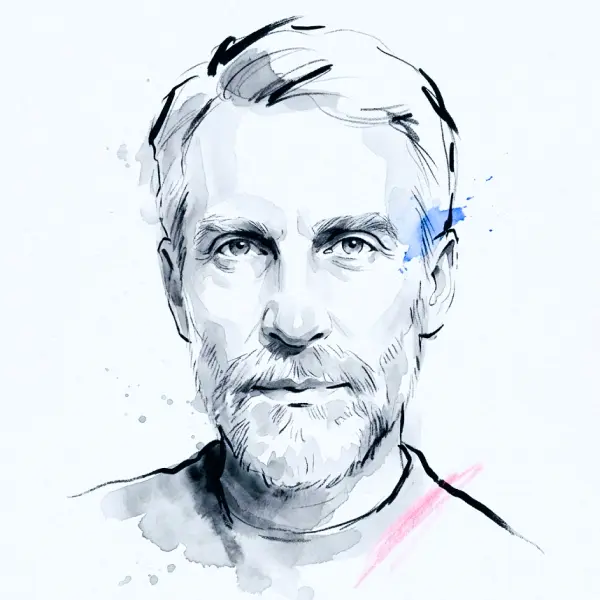
Bally responded to Rhuigi Villaseñor’s exit by installing Simone Bellotti, newly arrived from Gucci, as design director. It was a discreet appointment on paper, but one that anchored the brand’s transition and prepared the ground for what followed.
June
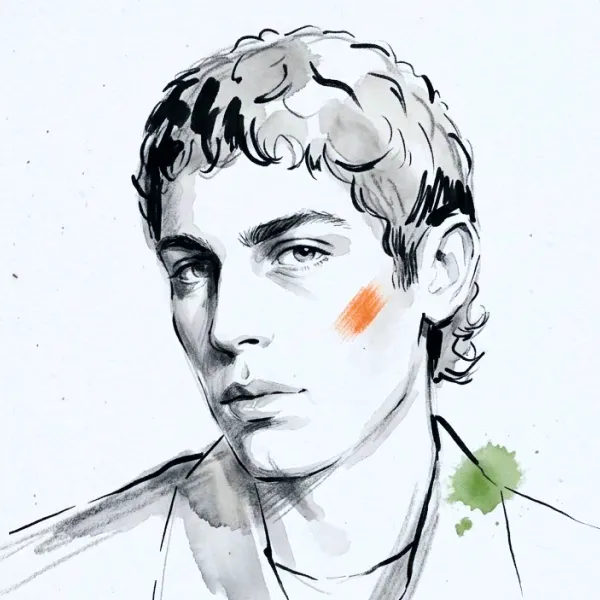
Ann Demeulemeester appointed Stefano Gallici immediately after Ludovic de Saint Sernin’s departure, replacing a brief external experiment with a designer already embedded in the house’s studio.

Setchu’s LVMH Prize win moved Satoshi Kuwata’s young Milan label from a carefully watched insider project into a wider international conversation. The award mattered because it recognised the maturity of the system behind the clothes: tailoring, modularity, cultural exchange and material discipline rather than a single viral silhouette.
Moschino’s interim men’s and resort collection arrived during the vacancy after Jeremy Scott’s departure, turning the house’s in-between state into something the calendar itself could register.
Pharrell Williams’s first Louis Vuitton menswear show, staged on the Pont Neuf, brought the house’s new menswear chapter into view through one of the year’s most conspicuously staged debuts.
Louis-Gabriel Nouchi’s ANDAM Grand Prix win gave 2023 another strong institutional marker for emerging design. The award did not need overstatement to matter; it already signalled a meaningful shift in visibility and support.
LGN won the 2023 ANDAM Grand Prize, receiving €300,000 and a year of mentorship that supported team growth, marketing and international expansion.
July
Thom Browne joined the Paris haute couture calendar as an invited guest in July 2023, expanding the house’s American tailoring language through one-off construction and large-scale theatrical staging.
Ashi Studio’s arrival on the official Paris Haute Couture Week calendar marked a meaningful step from recognised presence to formal inclusion. Calendar entries can be bureaucratic things, but this one signalled a shift in status.
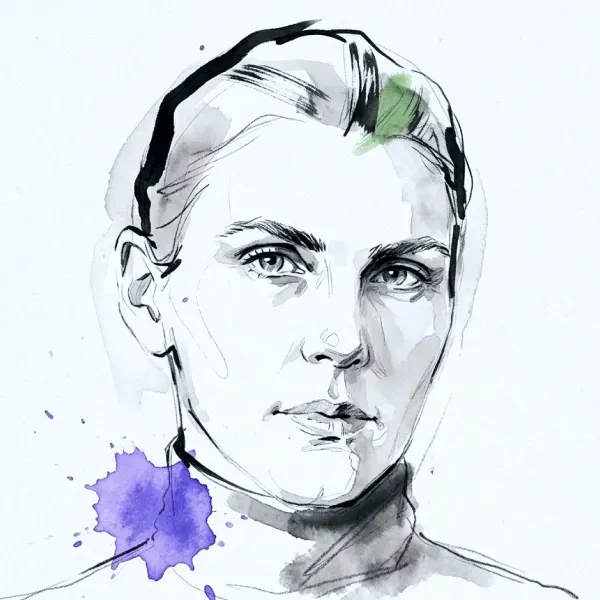
Chloé announced in July 2023 that Gabriela Hearst would leave after Spring/Summer 2024. The transition closed a tenure defined by B Corp certification, artisan partnerships and the Chloé Vertical traceability programme while leaving those institutional systems in place for the next creative period.
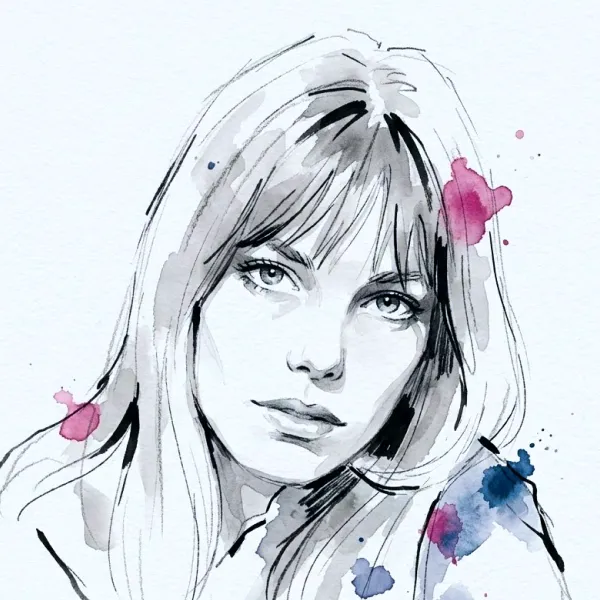
Jane Birkin died in Paris on 16 July at the age of 76, marking one of 2023’s clearest losses in fashion and culture. Her influence long exceeded the famous bag that borrowed her name, extending instead through decades of personal style, image-making and a distinctly effortless model of Anglo-French chic.
Kering’s purchase of a 30% stake in Valentino gave 2023 a major corporate marker, shifting the ownership architecture behind the house in plain view.
August
Fiorucci appointed Francesca Murri as artistic director in August as part of its internal restructuring. The significance lay in the fact of named leadership: a label in reset now had a defined creative point of view again.
Tremaine Emory’s exit from Supreme did not read like a quiet contract expiry. Public references to systemic racism and disputes over a shelved project gave the departure a sharper charge than the usual end-of-tenure notice.
September
Peter Do’s first Helmut Lang runway collection opened New York Fashion Week, turning one of the year’s most watched appointments into an actual proposition in clothes.

Marc Bohan died on 6 September at 97, marking the loss of Dior’s longest-serving creative director and one of the key custodians of the house’s postwar history.
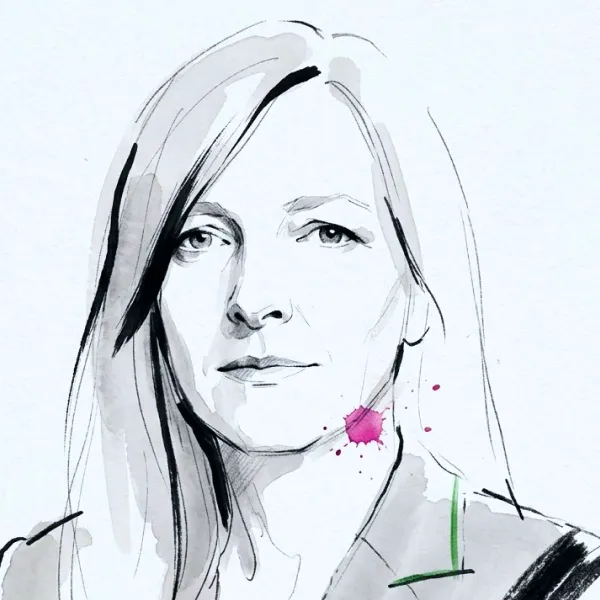
Alexander McQueen announced Sarah Burton’s departure on 11 September 2023 after twenty-six years at the house and thirteen as creative director. Her final collection followed in Paris later that month.
Vogue World: London opened London Fashion Week on 14 September as a performance-led spectacle rather than a conventional show, giving the calendar an opening built around live performance, celebrity casting and British cultural staging.
Peter Hawkings presented his first Tom Ford runway collection in Milan, giving the house’s post-founder succession its first full public expression.
Moschino marked its 40th anniversary with a collection assembled by four different stylists while the creative director role remained vacant. It was an unusual workaround, and one that made the house’s in-between state impossible to ignore.
Walter Chiapponi’s final Tod’s collection brought his Tod’s chapter to a close, making it one of Milan Fashion Week’s quieter but more legible farewells.
Simone Bellotti’s first Bally collection moved the story from appointment news to actual clothes, giving Bally’s new chapter its first clear expression.
Gabriela Hearst’s Spring 2024 show became her final collection for Chloé. Once the July departure announcement was on record, the runway read less as an ordinary seasonal presentation and more as a closing statement.
October
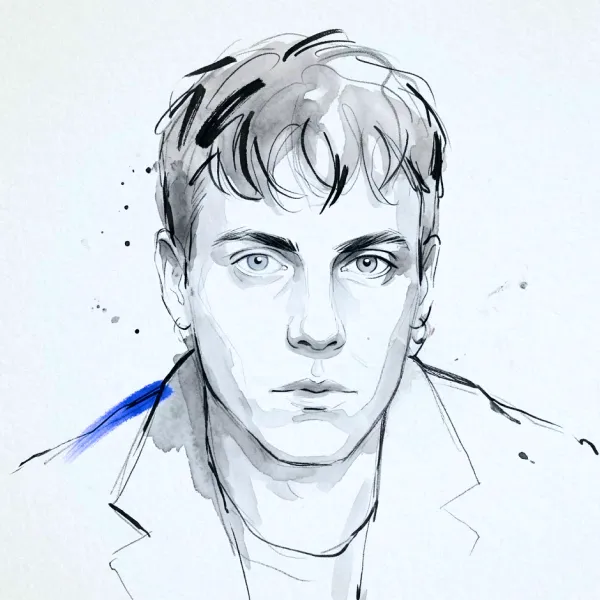
Alexander McQueen announced Seán McGirr as creative director on 3 October 2023, following Sarah Burton’s final collection. The house dates the beginning of his creative direction from December that year.
Shanghai Fashion Week’s SS24 season marked a robust return for the Chinese fashion calendar after the pandemic-era disruptions. That broader calendar recovery was itself part of 2023’s story, not merely background scenery.
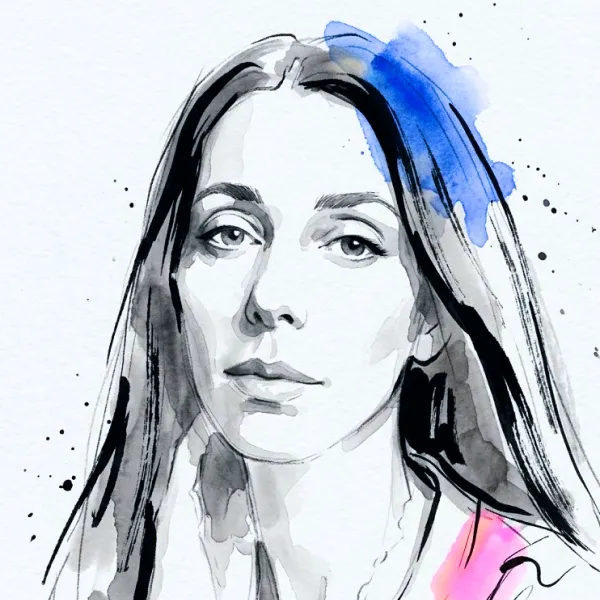
Chloé appointed Chemena Kamali creative director on 9 October 2023. Her return brought together two earlier periods inside the house, senior womenswear experience at Saint Laurent and a current programme built from several layers of the Chloé archive.
Chloé moved from Gabriela Hearst’s exit to Chemena Kamali’s appointment within October, making the succession one of the year’s more immediate house resets.
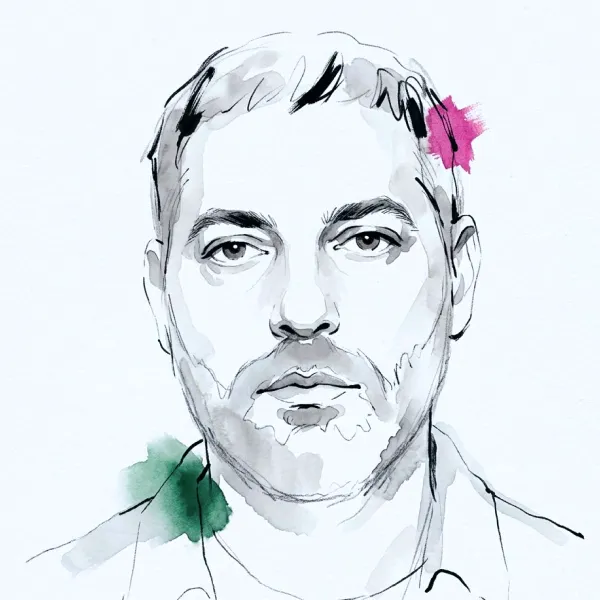
Moschino appointed Davide Renne from Gucci in October to succeed Jeremy Scott. After months of vacancy and interim solutions, the house finally had a fixed creative lead again.
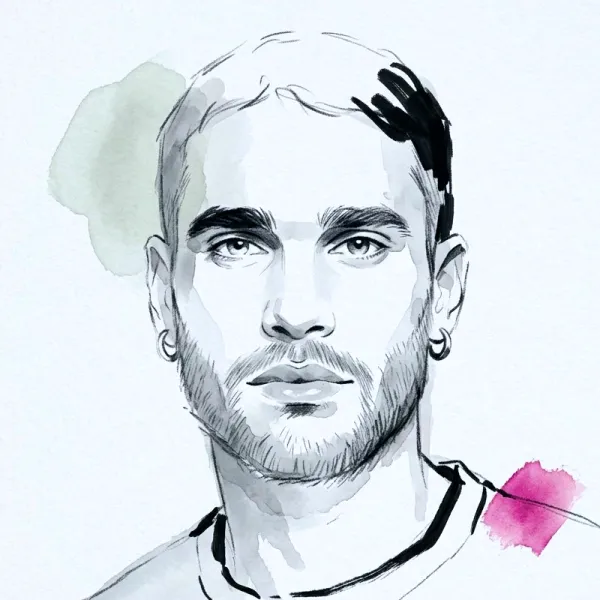
Blumarine and Nicola Brognano parted ways in October after four years, bringing his chapter at the house to a close and leaving its next direction unresolved.
November
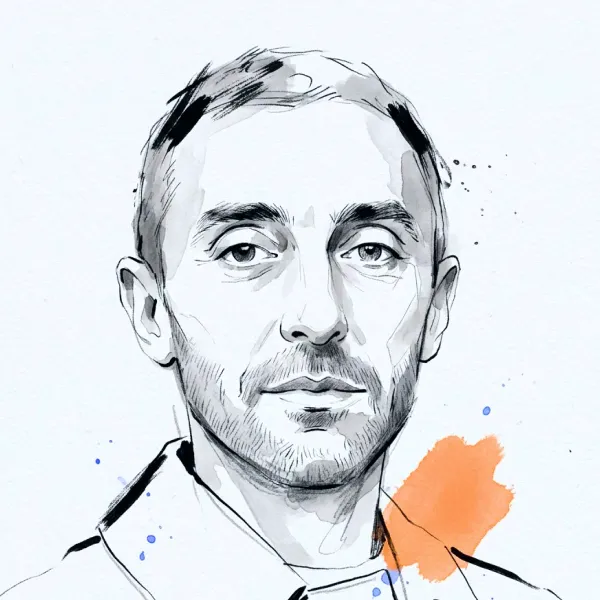
Blumarine turned to Walter Chiapponi in November after Nicola Brognano’s exit, pulling in a designer freshly departed from Tod’s. The appointment gave the brand’s next chapter a more adult outline, or at least a clearly named author.
ASICS Novalis formalised the studio’s long relationship with ASICS into a unisex line, bringing Kiko Kostadinov and the Fanning sisters into a shared apparel and footwear system.
Davide Renne died only days after officially beginning as Moschino’s creative director. The abruptness of the loss made it one of the year’s most shocking and sorrowful fashion stories.
december
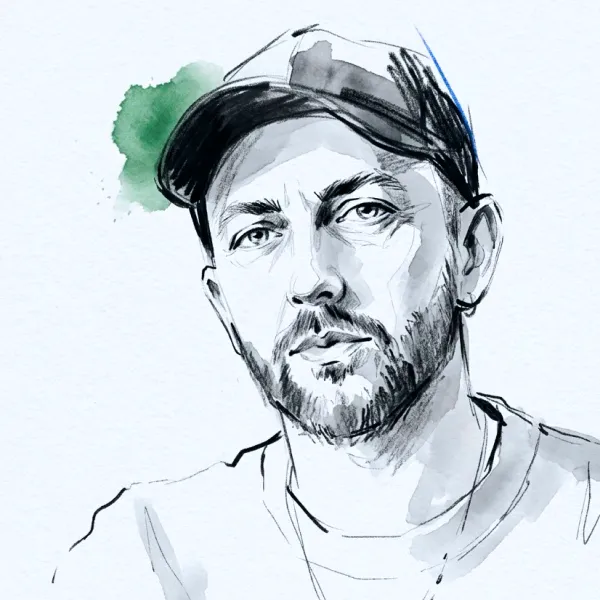
Tod’s appointed Matteo Tamburini from Bottega Veneta at the start of December, closing the gap left by Walter Chiapponi and giving the house a clear succession before year-end.
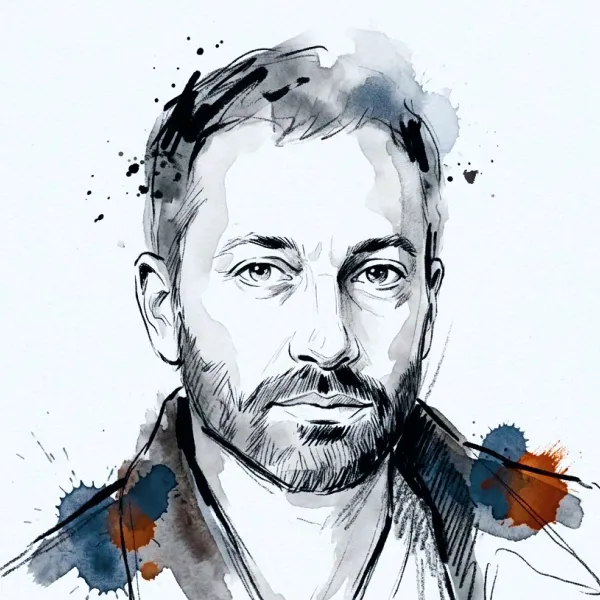
Rochas ended the year by appointing Alessandro Vigilante from Gucci to succeed Charles de Vilmorin. After a stop-start stretch, the move closed 2023 on a note of definition rather than drift.
The handover did not end the suspense
By December, 2023 had produced movement without much peace.
De Sarno had begun at Gucci, McGirr had been named at Alexander McQueen, Kamali was waiting at Chloé, and Hawkings had stepped into Tom Ford’s post-founder frame. Moschino’s transition, already delicate, became something far more sombre after Davide Renne’s death only days into his tenure. The year’s denouement was less a neat settling of accounts than a corridor of half-open doors.
The more interesting counter-current came from beyond the obvious power centres. Setchu’s LVMH Prize, Lagos Space Programme’s Woolmark win, Louis-Gabriel Nouchi’s ANDAM recognition, Ashi Studio’s couture-calendar arrival and Thom Browne’s move into Paris couture all suggested a redistribution of attention. Jean Paul Gaultier’s guest-designer model kept proving unexpectedly elastic, while Mugler’s live return showed that post-digital fashion could still find a body, a pulse and a little menace.
Its losses gave the year a darker undertow. Paco Rabanne, Mary Quant, Jane Birkin, Marc Bohan and Hilary Alexander belonged to different provinces of fashion memory, but together they sharpened the sense of an industry shedding witnesses while recruiting successors. What 2023 left behind was a severe lesson, delivered sotto voce: appointment is not authorship, scale is not direction, and spectacle cannot indefinitely impersonate conviction.
Spot a mistake or a missing event? TFDB’s year chronologies are edited, researched and regularly revised. Send us a correction or suggestion, if it meaningfully improves the record, we’ll credit your contribution.


