

2025 in fashion
Inheritance as a contact sport
2025 did not ease itself in.
Rosita Missoni and Oliviero Toscani died in January, and by September Giorgio Armani’s death gave the year its memento mori: a founding generation was no longer a comforting backdrop, but a vanishing operating system. Inheritance suddenly felt less like a reverent archive than an urgent governance problem.
The creative traffic had the same severity. Gucci abandoned its brief De Sarno quietude for Demna; Balenciaga answered Demna’s exit with Pierpaolo Piccioli; Dior handed Jonathan Anderson rare dominion across menswear, womenswear and couture. Maison Margiela moved into its post-Galliano chapter with Glenn Martens, while Givenchy, Tom Ford, Celine, Chanel, Calvin Klein and Dries Van Noten became different versions of the same acid test: whether a house could translate succession into a living silhouette rather than a well-lit press release.
If it looks to you, as it does to us, like someone shook a snow globe full of creative directors — Balenciaga is Valentino, Valentino is Gucci, Gucci is Balenciaga — we keep a separate creative director appointments tracker for the cleaner version: names, houses, dates, departures and confirmed starts, with the front-row fog stripped away.
The wider business made that question less romantic. Luxury entered the year under slower growth, anxious consumers, trade reconfiguration, value-seeking, AI-curated discovery and renewed pressure on physical retail. The appointments looked theatrical yet the conditions underneath were rebarbative. Fashion was looking for designers who could behave like editors, diplomats, market strategists and cultural firebreaks, ideally before the next quarterly results landed.
January

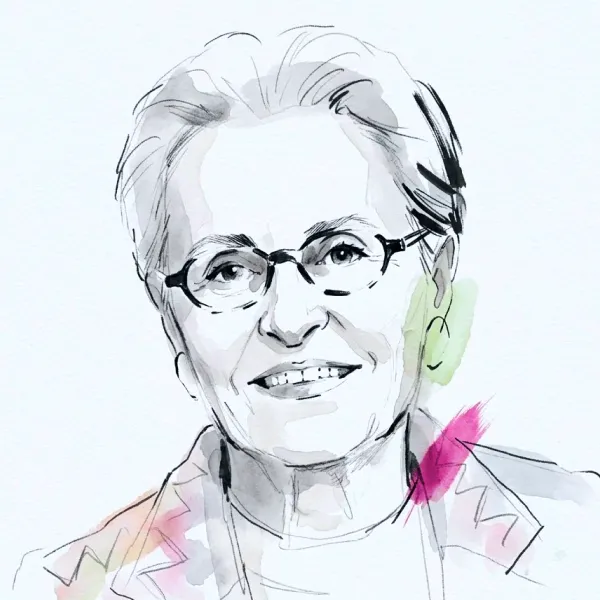
Rosita Missoni was a co-founder of Missoni and a foundational figure in Italian fashion. She died at 93. Independent Italian knitwear lost one of its defining names.
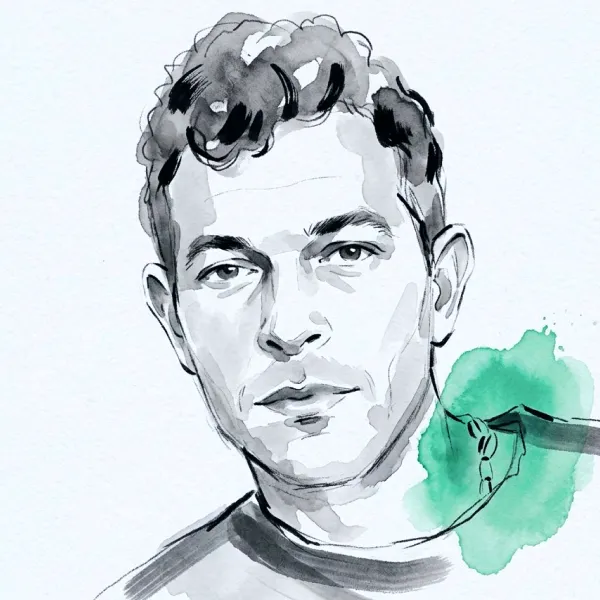
Michael Rider began his Celine tenure in January with responsibility across womenswear, menswear, leather goods, accessories and couture. The separation of product direction from image distinguished the new structure from Hedi Slimane’s total creative and communications control.
Fendi’s centenary made 2025 a year of both commemoration and succession. Silvia Venturini Fendi directed the anniversary chapter, became Honorary President in October and was followed by Maria Grazia Chiuri as Chief Creative Officer.

Y/Project ceased operations on 9 January 2025 after the Paris Commercial Court converted IN-CARNATION’s restructuring into judicial liquidation and no acceptable sale was secured. The closure ended ordinary commercial activity after fourteen years, while the legal company remained in liquidation rather than being shown as dissolved or deregistered.
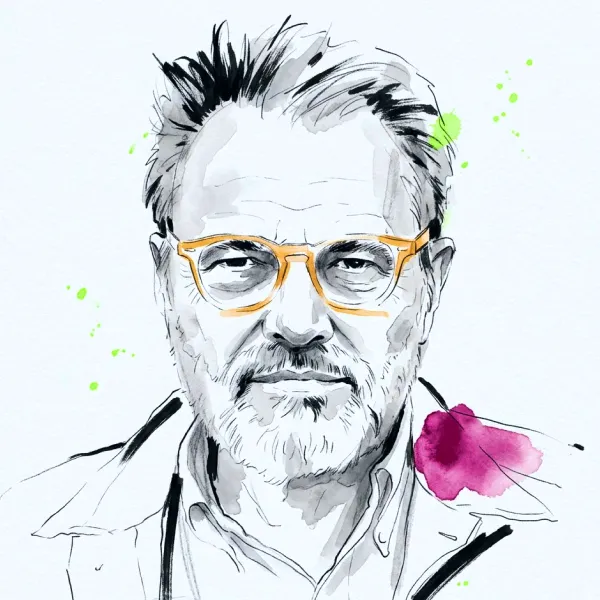
Fashion advertising rarely looks that provocative by accident, and Oliviero Toscani was one reason. The photographer behind Benetton’s defining campaigns died at 82. His death removed one of the medium’s sharpest image-makers from its living history.
Jack McCollough and Lazaro Hernandez stepped back from day-to-day creative leadership at Proenza Schouler. Because they were leading the house they founded, the move carried a different charge from an ordinary executive shuffle. Founders were ceding daily authorship of their own label.

Setchu’s Pitti Uomo runway debut gave Kuwata’s modular tailoring its first full catwalk frame. “Tokyo in the Arno” turned the brand’s compact design language into a public statement, bringing Japanese references, Savile Row discipline and transformable garments into one of menswear’s most closely watched platforms.
AMIRI brought womenswear and menswear together on its Paris runway for the first time in 2025, formalising the house’s co-ed collection structure.

Tarantula moved Willy Chavarria from New York to Paris with a show at the American Cathedral, translating his American, Chicano and queer visual language into a global menswear setting. The move made the label’s tenth year feel less like arrival than escalation.
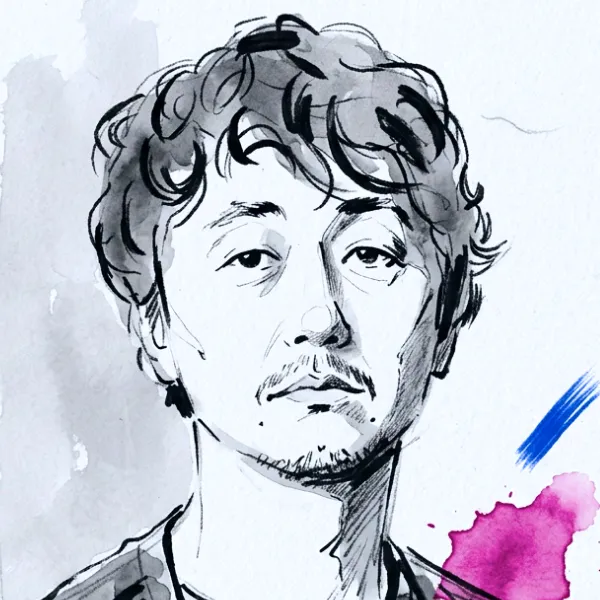
Junichi Abe stepped down as Kolor’s head designer on 25 January 2025 after twenty-one years and moved into an advisory role. The transition opened the first creative succession in the label’s history without severing the founder’s connection to the company.
Kolor appointed Taro Horiuchi as creative director in January 2025, completing the first leadership succession since Junichi Abe founded the label. Horiuchi arrived with experience spanning Antwerp training, his namesake womenswear and th products.
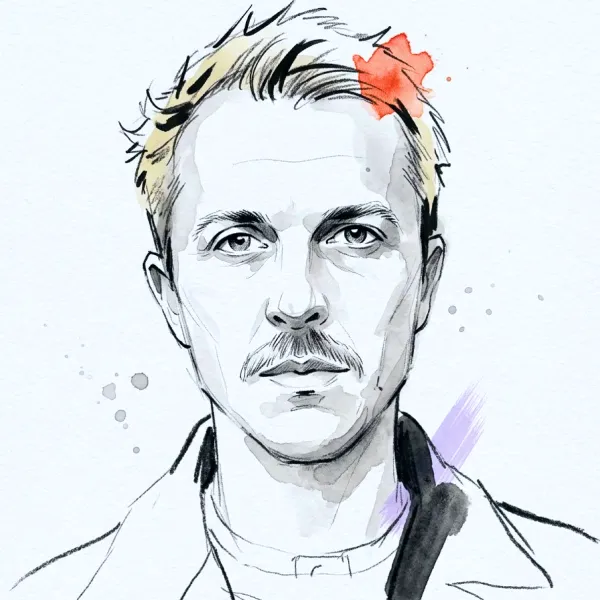
Maison Margiela appointed Glenn Martens creative director on 29 January 2025. His first year moved from an Artisanal debut in July to ready-to-wear in October, establishing how his reconstruction and material experiments would enter the house’s principal collections.
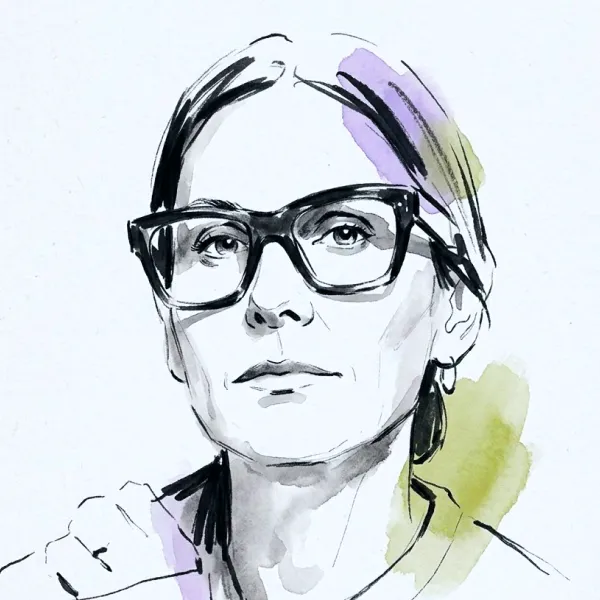
Kering installed British designer Louise Trotter as creative director of Bottega Veneta on January 30 2025. With experience at Joseph and Lacoste, she was tasked with steering the leather‑goods house into a fresh chapter. Her appointment represented a significant leadership shift within the Kering portfolio.
Germanier entered the official Paris Haute Couture Week calendar as an FHCM Guest House, giving its upcycled construction system a format centred on custom and one-off work.
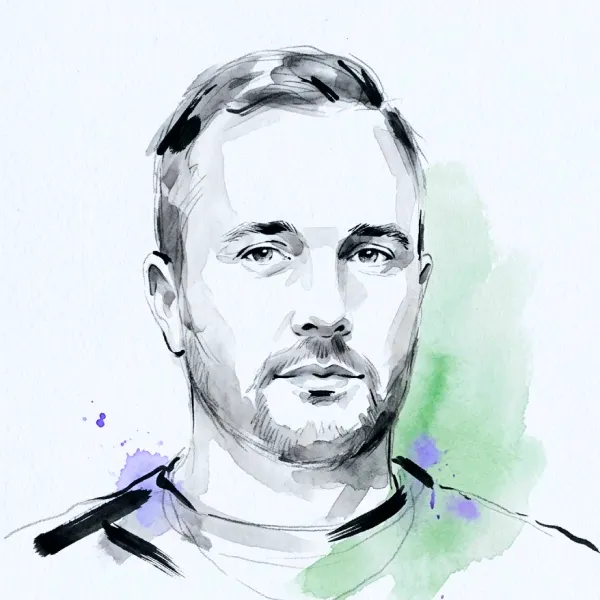
Kim Jones left Dior Men after a seven-year tenure that joined couture technique to tailoring, art collaboration and luxury sportswear.
February
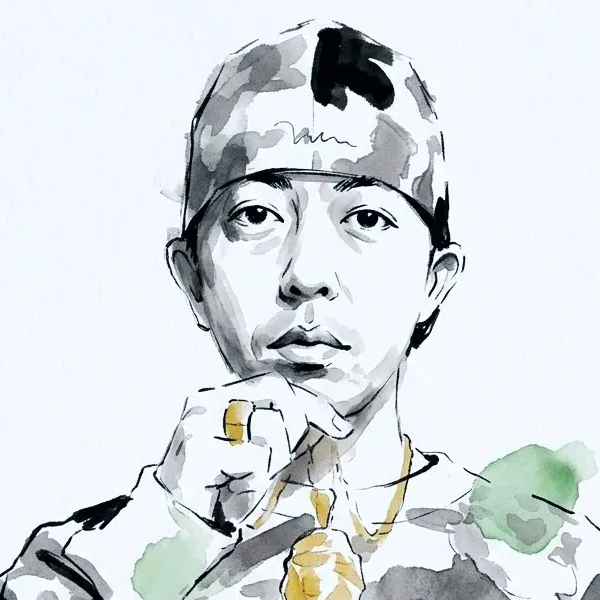
FamilyMart named Nigo creative director on 5 February 2025, extending the authorship story well beyond luxury houses and runway calendars. His remit covered next-generation stores, product strategy and branding, which made the role unusually expansive. The appointment showed how fashion-style creative leadership was being applied to mass retail with no great embarrassment about the crossover.
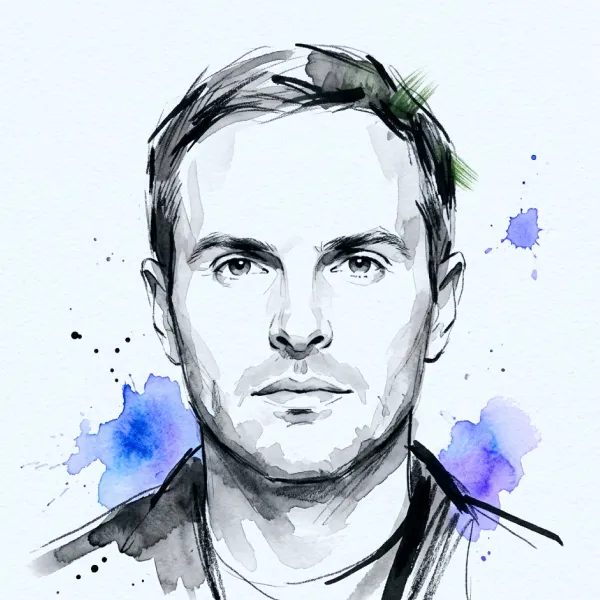
Gucci ended Sabato De Sarno’s short creative directorship in February 2025. The decision opened a second studio-led transition in little more than two years and preceded the appointment of Demna from sister house Balenciaga.
Anthony Calydon formalised his label under AOKARE SAS in February 2025, then moved beyond social-media drops through an adidas Originals project, a debut iRL Paris showcase and pop-up activations in Tokyo and Osaka. The year established the operating structure and physical visibility required for the brand’s next stage.
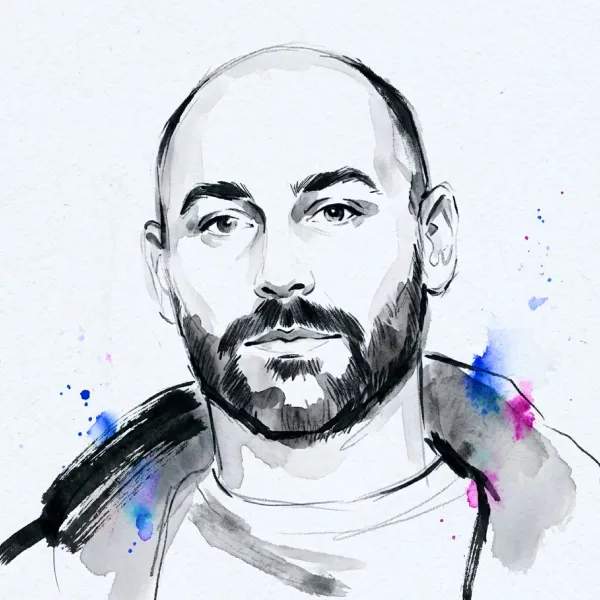
Area appointed Nicholas Aburn creative director on 7 February 2025, bringing in a successor from Balenciaga’s couture studio after Piotrek Panszczyk’s departure. Because the change carried the brand beyond its founding pair, it had more structural weight than a routine reshuffle. Area entered a genuinely post-founder phase.
Veronica Leoni’s first Calvin Klein Collection runway landed in New York. It also brought Calvin Klein Collection back to the runway there, so the show had two jobs from the outset. New author, old platform restored.
Lorenzo Serafini began his Alberta Ferretti chapter on the Milan runway. First collections are where polite anticipation runs out and the clothes have to do the talking. The handover became real the moment the debut left backstage.
March
Haider Ackermann’s first Tom Ford collection appeared in Paris. It was one of early 2025’s headline debuts there, which meant the runway had to establish a point of view immediately. The tenure began in full public glare, not gentle introduction.
Julian Klausner presented his first womenswear runway collection as creative director of Dries Van Noten on 5 March 2025. The debut was the first complete public measure of the succession, retaining the house’s colour, print and textile systems while redirecting them through theatrical construction and a new approach to volume.
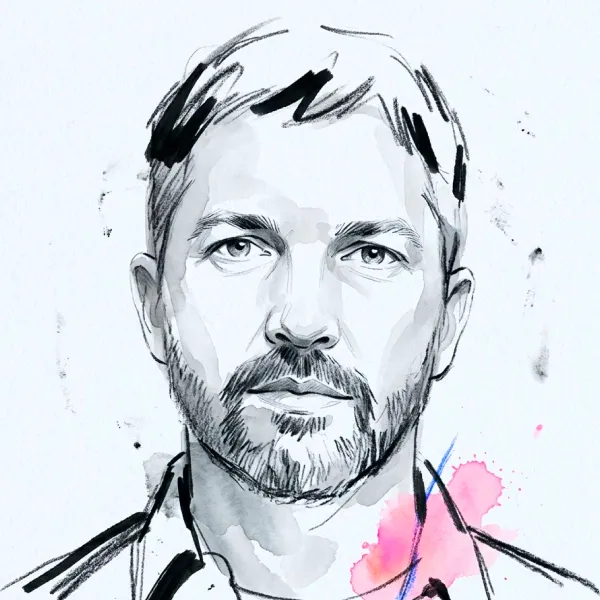
Carven appointed Mark Howard Thomas director of design in March 2025 after Louise Trotter’s exit. Because the change followed internal restructuring and kept the next step in-house, the result read less as spectacle than as managed continuity. Quiet successions still say plenty when so many houses are being loudly reset.
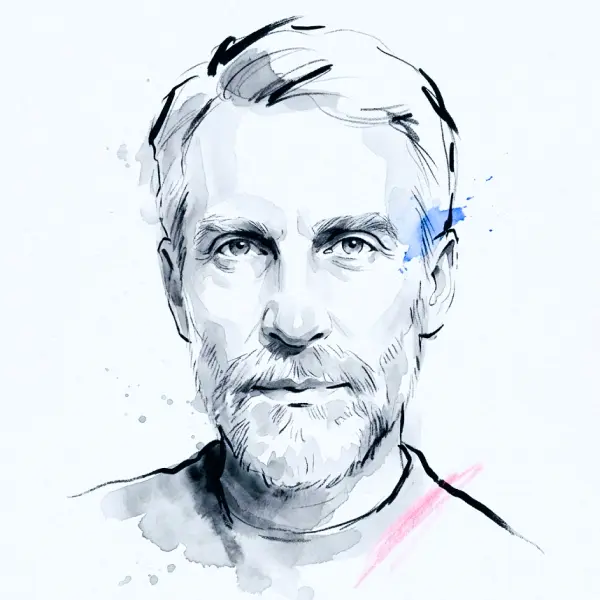
Jil Sander appointed Simone Bellotti creative director on 10 March 2025, moving directly from his Bally farewell into one of Milan’s most closely watched succession cycles. The change placed a designer formed through long studio experience in charge of a house whose identity depends on exact authorship rather than spectacle.
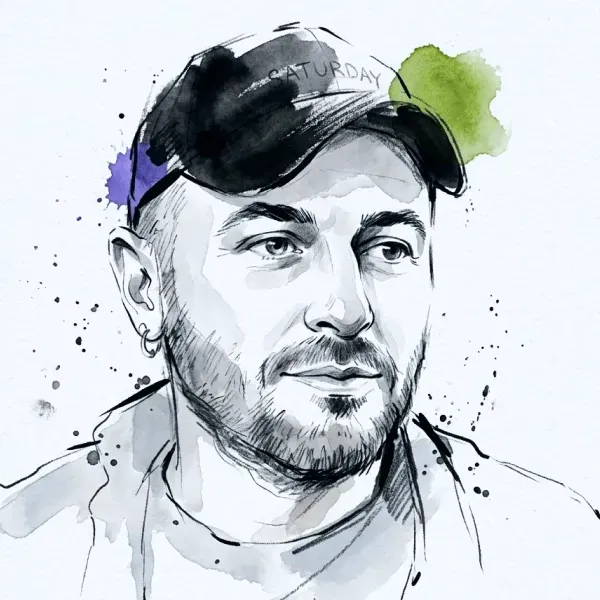
Gucci appointed Demna as artistic director after a decade at Balenciaga. The move transferred one of Kering’s most visible designers between its two largest fashion houses and made the next Gucci reset part of a wider group strategy.
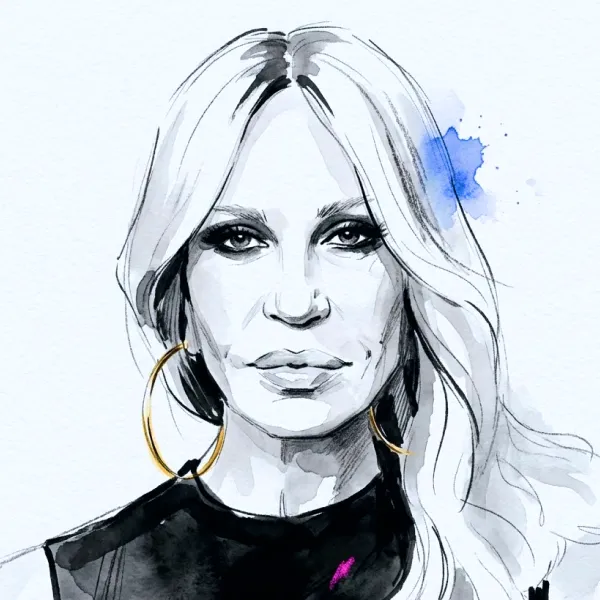
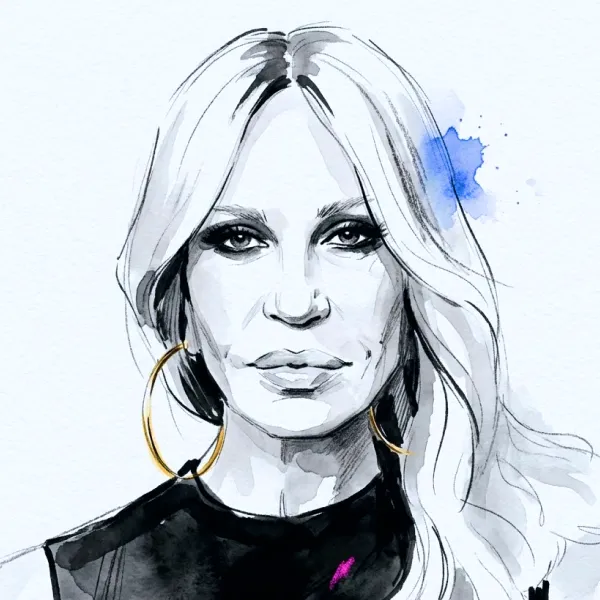
Donatella Versace ended her house-wide creative leadership and moved into a Chief Brand Ambassador role, separating family representation from the top design office.
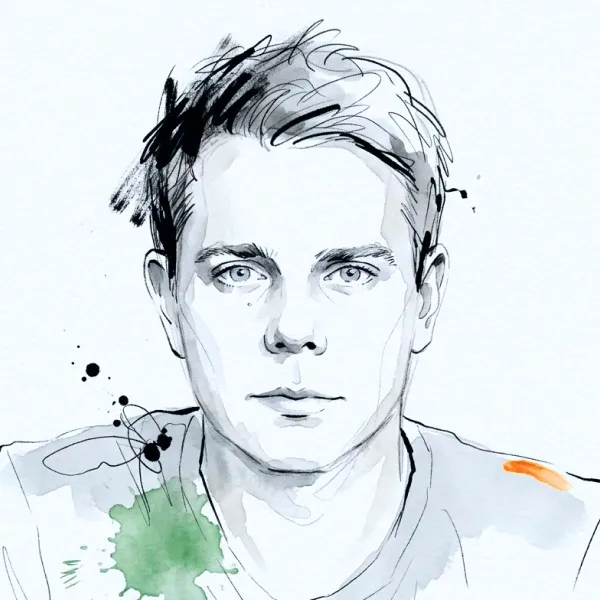
Jonathan Anderson’s departure closed an eleven-year reconstruction of Loewe that had joined fashion, leather engineering, art direction and cultural patronage. Announced after the Fall/Winter 2025 presentation, the exit opened one of LVMH’s most consequential creative successions of the year.
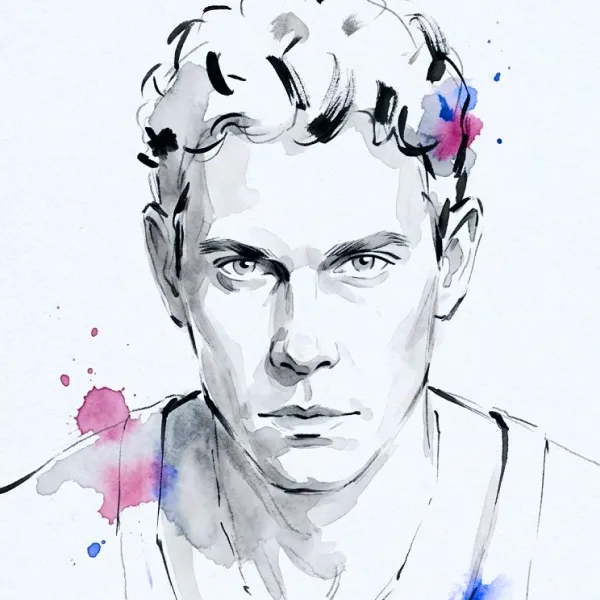
Cadwallader left Mugler after seven years of product, film and image rebuilding, with the house moving directly to Miguel Castro Freitas on 1 April.
April
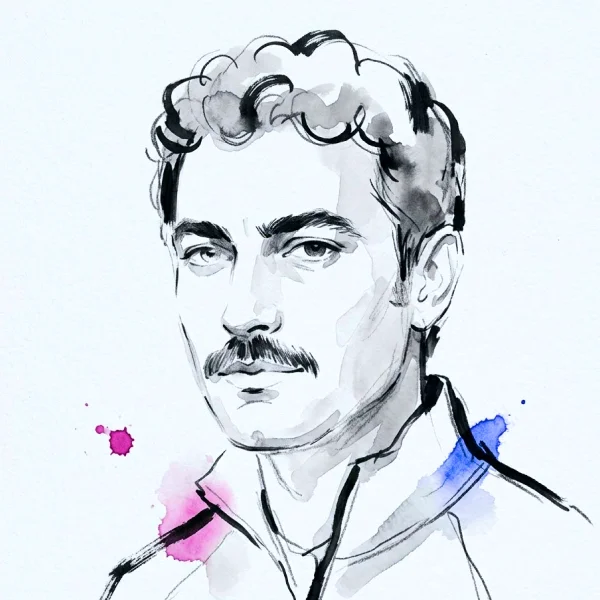
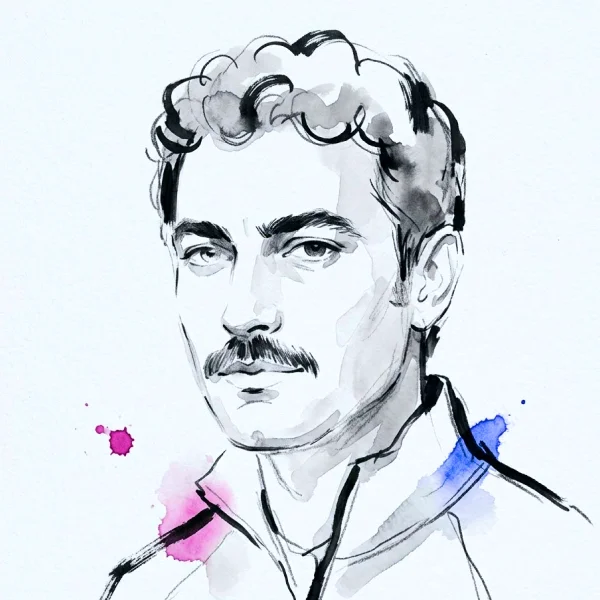
Dario Vitale became Versace’s first non-family house-wide Chief Creative Officer, beginning a brief transition that produced one runway collection before the Prada closing.
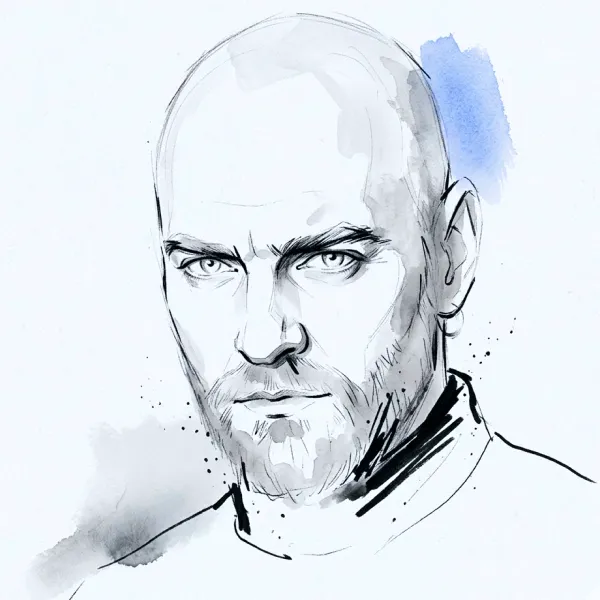
Miguel Castro Freitas entered Mugler with a fashion-wide mandate and a career grounded in couture, tailoring and senior womenswear studio roles.

There would be no standalone June 2025 London Fashion Week. The British Fashion Council shifted attention toward Paris showrooms and support for British menswear instead. The London calendar lost one of its fixed points and looked thinner for it.
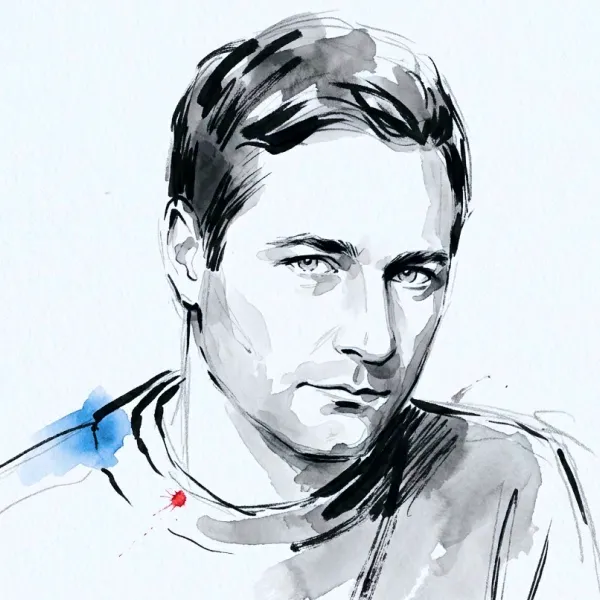
Loewe appointed Jack McCollough and Lazaro Hernandez on 24 March 2025, effective 7 April, transferring the billion-euro house to a co-equal design partnership. Their remit across womenswear, menswear, leather goods, accessories and image began a post-Anderson period defined by colour, American pragmatism and industrial craft.
Prada Group agreed to acquire Versace from Capri Holdings, placing one of the year’s largest fashion-business transactions into a formal regulatory and closing process.
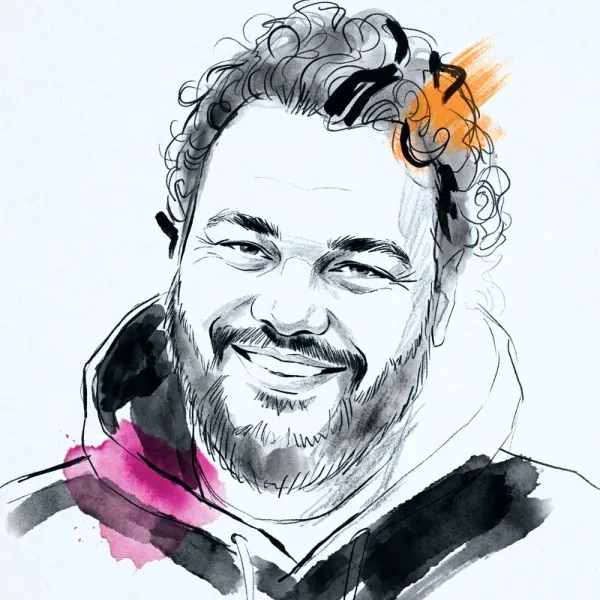
Duran Lantink became Jean Paul Gaultier’s first permanent post-founder Creative Director, taking responsibility for both ready-to-wear and haute couture. The appointment closed the one-season guest system and established a continuing successor model for the house.
Dior appointed Jonathan Anderson to menswear in April 2025, opening a two-stage succession that would place all three fashion programmes under one designer by June.
May
The Costume Institute opened “Superfine: Tailoring Black Style” at the Metropolitan Museum of Art. Framed around Black dandyism and fashion history, it was a major museum project rather than a side note in the season. The exhibition gave those histories institutional scale and visibility.
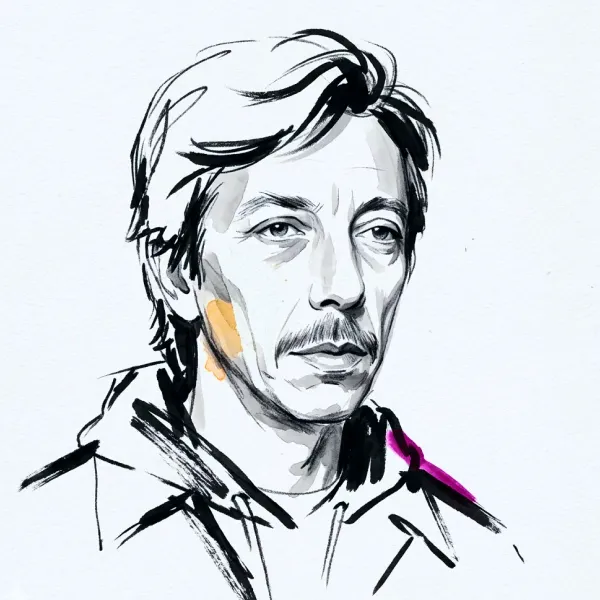
Balenciaga handed the top job to Pierpaolo Piccioli. He arrived from Valentino and replaced Demna, which made the change legible in a single line. The house moved from one highly defined authorial era into another.
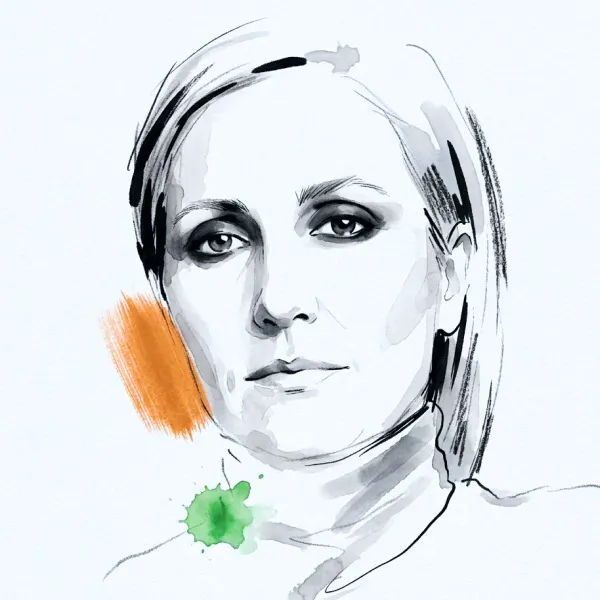
Maria Grazia Chiuri left Dior after the Resort 2026 presentation in Rome, ending the house’s first women-led creative tenure and clearing the way for unified fashion direction.
Puzzle 10 treated a recent handbag as an archive with its own internal history, returning nineteen editions and adding Confetti at the moment Jonathan Anderson left Loewe.
June
Dior expanded Jonathan Anderson’s remit from menswear to women’s ready-to-wear and haute couture, creating a unified fashion leadership structure for the first time since the founder’s period.
Maria Giovanna Paone is appointed Cavaliere del Lavoro, recognising her role in the growth of Kiton and the continuity of the Paone family’s Made in Italy craft culture.
Bikkembergs and Gosha Rubchinskiy presented a reworked Soccer sneaker at Pitti Uomo 108 on 17 June 2025. The release returned a specific Sport Couture product to circulation as football and terrace references regained wider fashion visibility.
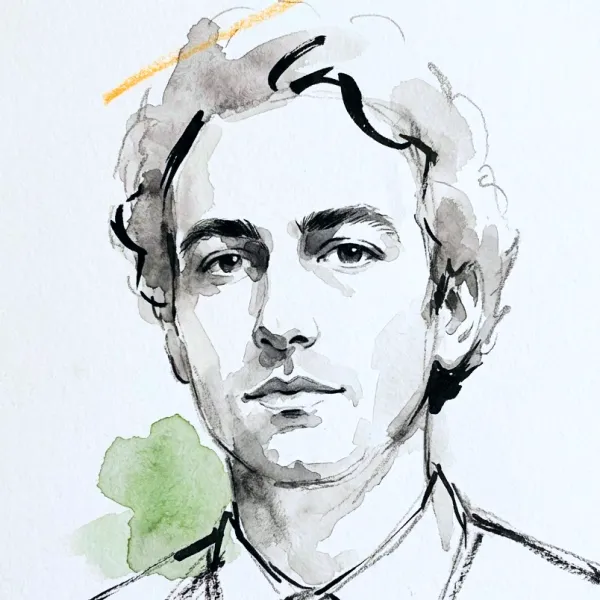
OTB announced Francesco Risso’s departure from Marni on 18 June 2025 after a decade at the house. The exit closed one of the group’s longest and most distinctive contemporary chapters, and it placed Marni among the labels moving into an in-between phase. Even established tenures were beginning to look less fixed than they once did.
July
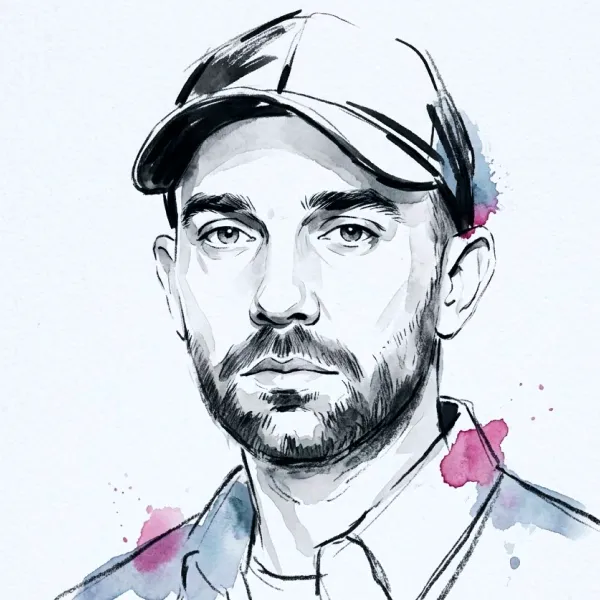
Pangaia appointed Kevin Grandal creative director in July 2025 during internal restructuring, bringing in a designer from 1017 ALYX 9SM as the company reconsidered its direction. The hire implied a sharper emphasis on authored design rather than product basics alone. Smaller than some of the headline appointments, yes, but still revealing.
Demna closed his Balenciaga chapter with a final couture show in Paris before leaving for Gucci. Couture gave the exit a particularly charged last frame; there was no mistaking it as just another date on the schedule. It played like a closing bracket on one of the house’s most recognisable recent eras.
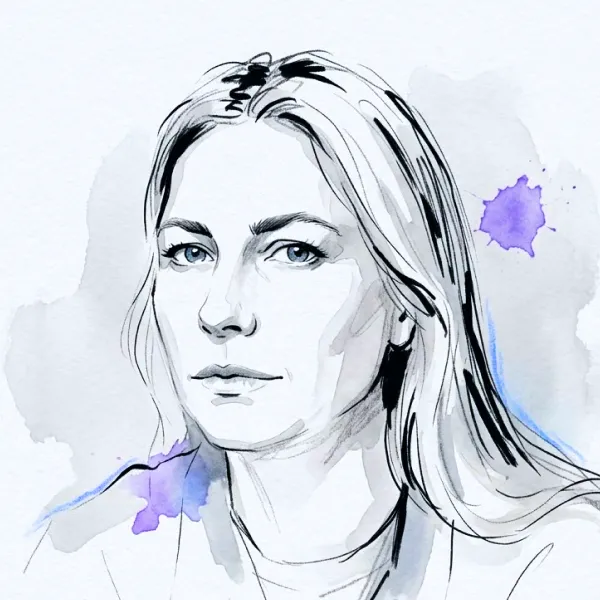
On July 15, 2025 Marni’s parent company OTB Group revealed that Meryll Rogge would become the house’s new creative director. Fresh from winning the 2025 ANDAM Grand Prix, Rogge succeeded Francesco Risso and became the first woman to lead one of OTB’s fashion labels. Her arrival signaled a new direction for Marni and highlighted the group’s broader creative reshuffle.
On July 15, 2025 Marni’s parent company OTB Group revealed that Meryll Rogge would become the house’s new creative director. Fresh from winning the 2025 ANDAM Grand Prix, Rogge succeeded Francesco Risso and became the first woman to lead one of OTB’s fashion labels. Her arrival signaled a new direction for Marni and highlighted the group’s broader creative reshuffle.
August
No significant August entry has been confirmed yet
If you think we have missed something exciting and worth recording, drop us a note and Phoebe will verify it.
September
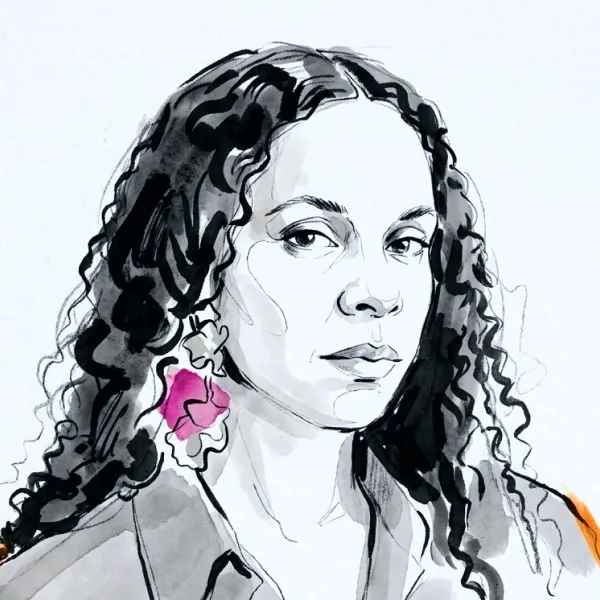
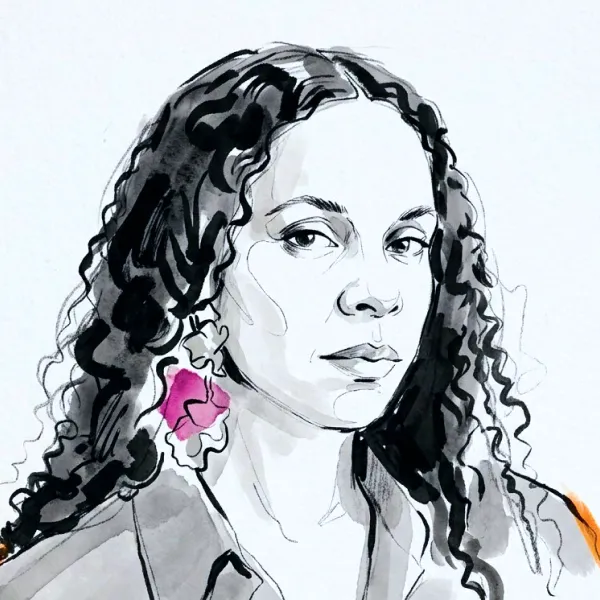
Proenza Schouler appointed Rachel Scott creative director on 2 September 2025. The appointment followed Jack McCollough and Lazaro Hernandez’s move to Loewe and placed the Diotima founder at the head of a separate New York house.

Soshi Otsuki’s 2025 LVMH Prize win gave SOSHIOTSUKI a decisive international breakthrough after a decade of slow development in Tokyo. It recognised a menswear practice built on Japanese tailoring, classical performance references and the social memory of Western dress, not a generic luxury start-up narrative.
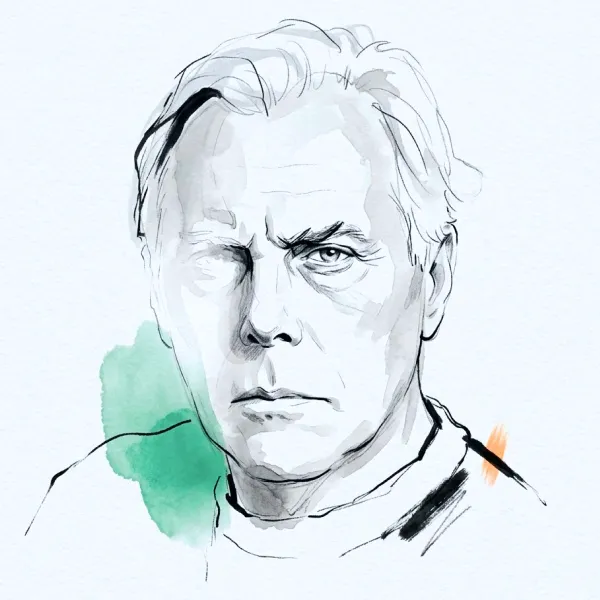
Giorgio Armani had remained both founder and creative director of the house. His death activated the succession plan and pushed the business into post-Giorgio creative leadership. Few fashion transitions carry that much structural weight from the first day.
Rachel Scott presented a collaborative Spring/Summer 2026 prelude for Proenza Schouler on 10 September 2025. Developed with the existing design studio, it introduced her point of view while reserving her first full collection for the following season.
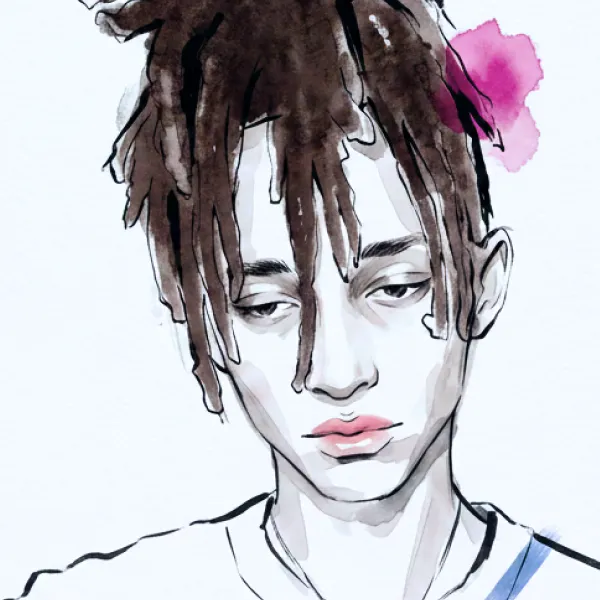
Christian Louboutin appointed Jaden Smith creative director for menswear on 17 September 2025, with the added wrinkle that the role itself was newly created. That detail made the decision more than a routine hire. It suggested a brand reconsidering not just personnel, but the shape of creative authority around menswear.
Francesca Bellettini replaced Stefano Cantino as Gucci president and chief executive in September 2025. The appointment joined a rapid executive reset to Demna’s new artistic direction as Kering reorganised oversight of its largest house.
Loris Messina and Simone Rizzo left SUNNEI on 26 September 2025 after staging the Spring/Summer 2026 collection as a mock Christie’s auction. By placing the brand and its founders among the fictional lots, the show turned a real change of authorship into a final commentary on creative value and sale.
Louise Trotter unveiled her first Bottega Veneta runway in Milan on 27 September 2025, turning an appointment into something visible and assessable. Once the clothes arrived, conjecture had to give way to actual evidence. Few luxury-house debuts that season were examined more closely.
October
Pierpaolo Piccioli’s first Balenciaga show arrived with Spring/Summer 2026. It was his opening runway statement for the house, the moment an appointment became visible in clothes rather than headlines. The new era stopped being theoretical the second it hit the catwalk.
Year in Fashion candidate already supported in the collection table: a recent Junya anchor for found-object reconstruction and late assemblage.
Maria Grazia Chiuri’s return gave Fendi a new central creative structure after a year of interim family direction. The appointment also reconnected the house’s future to the accessories studio in which she began her career.
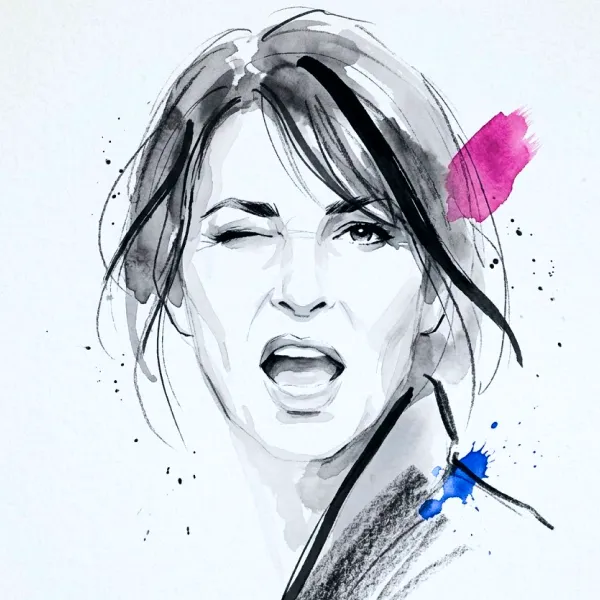
Hermès announced that Véronique Nichanian would present her final men’s ready-to-wear collection in January 2026, closing a tenure that began in 1988. The announcement established a rare planned handover after thirty-seven years of continuous menswear direction.
Bosideng appointed Kim Jones creative director of its new premium line Areal on 20 October 2025, pairing a major Chinese outerwear company with a designer more readily associated with European luxury. Because the role was newly created and tied to a premium proposition, the decision carried obvious positioning intent. It quietly redrew where prestige and fashion authority might sit.

Hermès appointed Grace Wales Bonner Creative Director of Men’s Ready-to-Wear on 21 October 2025, four days after announcing Véronique Nichanian’s final collection. Her first Hermès collection was scheduled for January 2027, leaving the in-house studio to handle the intervening Spring 2027 presentation.
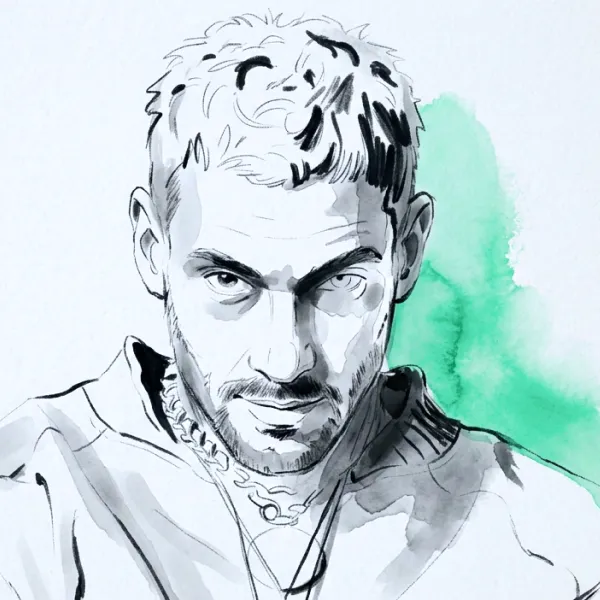
From the Moor placed more than two decades of Aitor Throup’s work inside Burnley, the town whose football culture and clothing codes had informed his earliest collections. The retrospective connected graduate work, technical collaborations, sculpture and later projects through the geography that first gave them urgency.
November
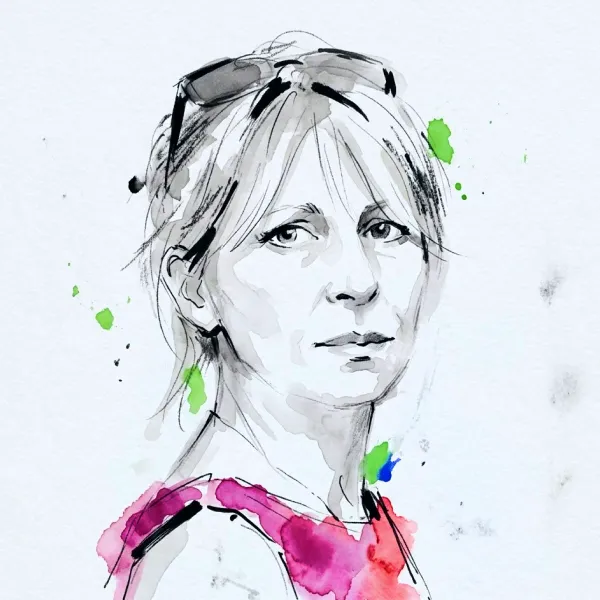
Marina Yee died in Antwerp on 1 November 2025, aged 67. Her death closed a late period of renewed public work and prompted a wider reassessment of the reconstruction, material reuse and teaching that had sustained her practice beyond the fashion calendar.
The Row won the 2025 CFDA American Accessory Designer of the Year award, extending a long awards history at the point when its unbranded bags had become central to the house’s global recognition.
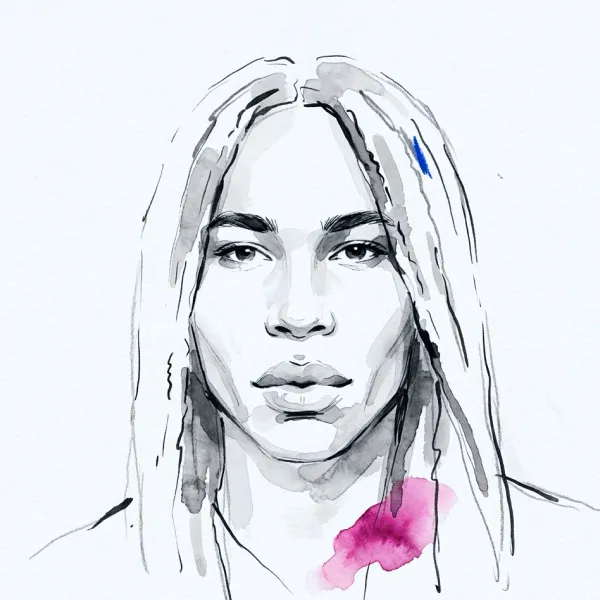
Balmain announced Olivier Rousteing’s departure on 5 November 2025 after fourteen years. His final runway had been Spring–Summer 2026 on 1 October, so the final collection and the end of public authority remain separate dates.
Lagos Fashion Week won the Earthshot Prize for its Building a Waste-Free World sustainability blueprint. The award came with a £1 million grant behind a model centred on circularity and traditional craftsmanship. That moved the blueprint from admirable initiative to institutionally backed proposition.
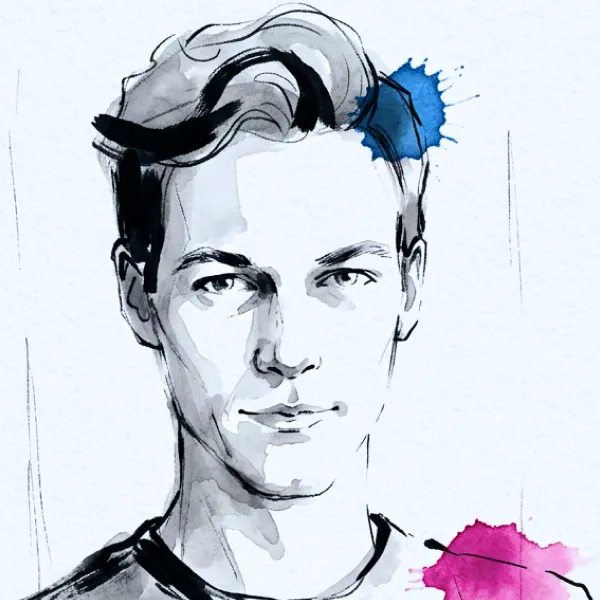
Mudac opened Les Monstrueuses, the first large museum carte blanche devoted to Germanier’s circular fashion system.
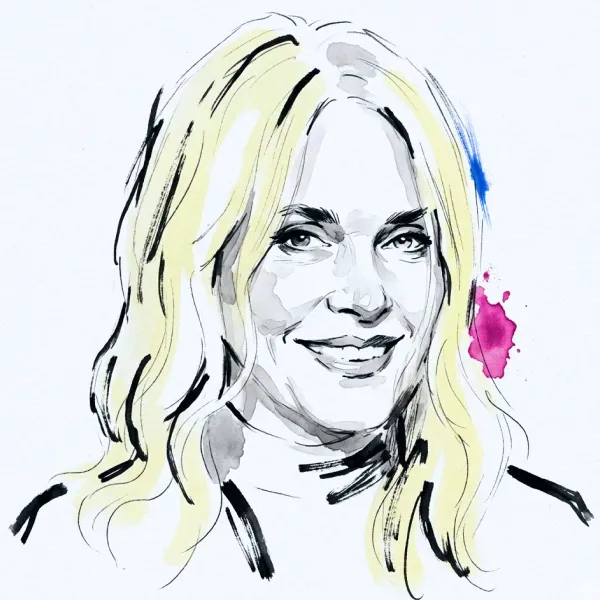
Pam Hogg held a singular place in British underground fashion and counterculture. She died in London aged 74. British fashion lost a voice that never had much interest in behaving itself.
december
Prada Group completed the Versace acquisition after regulatory clearance, transferring legal ownership from Capri while operational integration remained in progress.
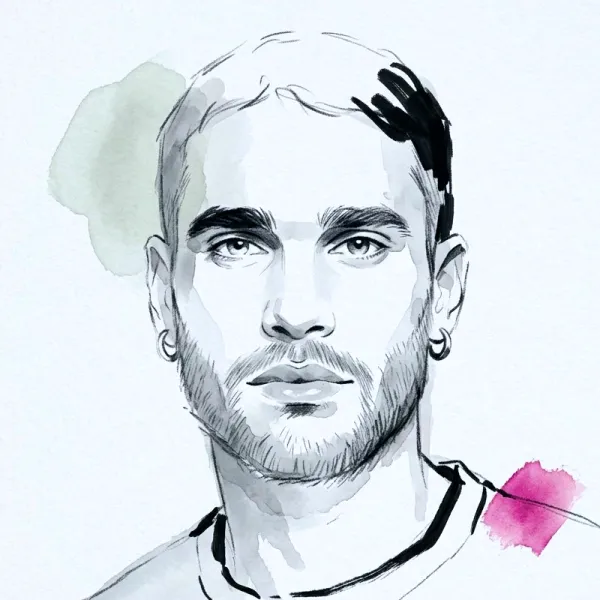
7 For All Mankind appointed Nicola Brognano creative director on 3 December 2025. The decision introduced named creative leadership to a brand historically organised around product teams and gave him a brief to extend its denim expertise into a wider fashion identity.
Dario Vitale’s departure was announced two days after Prada completed the acquisition and became effective on 12 December, ending an eight-month creative transition.
Debuts and consequences
By the end of the year, the carousel had produced clothes, consequences and a few useful embarrassments. Anderson at Dior, Demna at Gucci, Piccioli at Balenciaga and Blazy at Chanel were no longer abstract answers to vacancy; the new order had to survive fittings, reviews, sales floors and the acid little silence that follows over-promised renewal. Some shifts acquired authority quickly. Others remained in that liminal state where the idea is clearer than the wardrobe.
Yet 2025 also made the runway feel insufficient as the sole measure of power. Prada’s acquisition of Versace brought Italian consolidation into the foreground, with minimalism and maximalism suddenly sharing a balance sheet. NIGO at FamilyMart and SZA at Vans stretched creative direction into lifestyle infrastructure and mass culture, while Lagos Fashion Week’s Earthshot recognition and Copenhagen’s hardening standards suggested that influence could now arrive through systems as much as silhouettes.
The year began with loss and ended with recalibration, but its real story was harder and more interesting than mourning or reshuffle.
The old independent gods were leaving the stage; conglomerates, regional platforms, sustainability frameworks and algorithmic retail were crowding the wings. 2025 produced no clean chapter break. It produced a contested rewrite, with every house asked the same question sotto voce: after the announcement, what exactly can you make true?
Spot a mistake or a missing event? TFDB’s year chronologies are edited, researched and regularly revised. Send us a correction or suggestion, if it meaningfully improves the record, we’ll credit your contribution.


