

2024 in fashion
Delights, with the wiring exposed
2024 began with the pleasant sense that fashion might become interesting again, which was no small thing after several seasons of managerial polish and expensive inertia. John Galliano's Maison Margiela Artisanal show gave January its coup de theatre: a strange, humid, virtuosic piece of fashion theatre that made much of the year around it look under-rehearsed. Soon after, Chemena Kamali's first Chloé collection offered a gentler pleasure, restoring softness, movement and recognisable house feeling without treating heritage as taxidermy.
The early season was full of similar tests: debuts, farewells, studio collections, interrupted successions and revived signatures. Sean McGirr at Alexander McQueen, Adrian Appiolaza at Moschino, Walter Chiapponi at Blumarine and Matteo Tamburini at Tod's all arrived into houses asking for a sharper proposition. Valentino, meanwhile, moved from Pierpaolo Piccioli's elegant final act to Alessandro Michele's incoming maximalist charge with unusual speed.
It was a year in which fashion seemed newly alert to the value of mood, seduction, and legible authorship.
That pleasure came with ballast. The wider industry was still operating under uncertainty, weaker consumer confidence, the return of travel, AI speculation, sustainability regulation and the expensive rediscovery of brand-building after years of performance-marketing arithmetic. The runway looked fresherб the balance sheet did not necessarily join the applause.
January


Auralee’s Autumn/Winter 2024 show marked the brand’s move from Paris presentations into a full runway format. The step made Iwai’s textile-led wardrobe more visible in motion while keeping the collection grounded in restraint, proportion and fabric.
LGN formally added womenswear to its mainline in 2024, extending the same tailoring and body-conscious codes without creating a separate division.
Imane Ayissi opened Paris Haute Couture Week in January 2024, reflecting the house’s growing prominence within the official FHCM schedule.
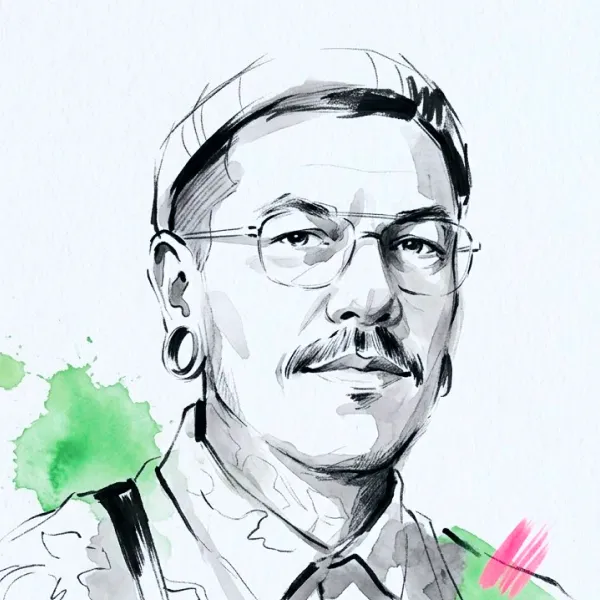
Moschino moved quickly in January, naming Adrian Appiolaza after a period of abrupt instability. The speed of the decision gave the house something it badly needed: not certainty exactly, but at least an immediate new centre of gravity.
February
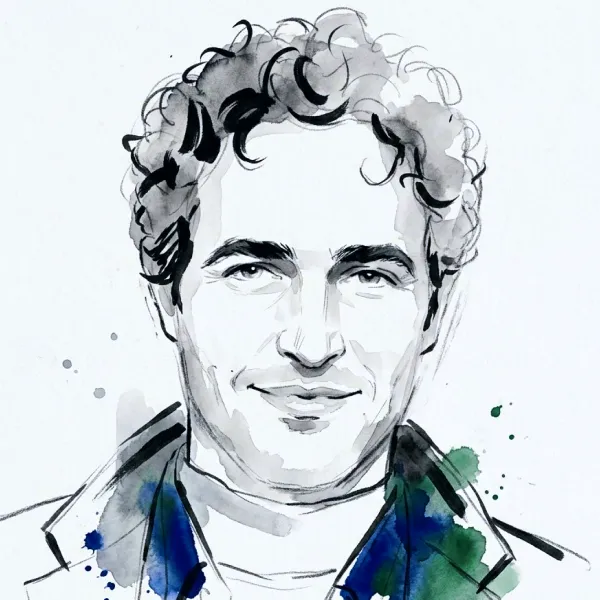
Gap Inc. appointed Zac Posen to a newly created creative director role, making one of the year's clearest American corporate-fashion statements. The significance lay in the breadth of the remit: not one label, but an entire retail group seeking a more visible design voice.

Mugler’s Pre-Fall 2024 offer formally restored mainline menswear, separating the house line from earlier unisex pieces and the H&M collaboration.
Adrian Appiolaza's first Moschino collection arrived almost immediately after his appointment, giving the house a visible line of continuity after upheaval. The debut mattered less as polish than as proof that the brand could return to the runway with a new hand in place.
Peter Hawkings presented Tom Ford’s Fall 2024 collection on 22 February, and it would stand as his only runway outing for the house before his departure on 22 July. The brief tenure had been cast as a continuity play after Tom Ford himself, but the exit made clear that the bridge was not going to hold.
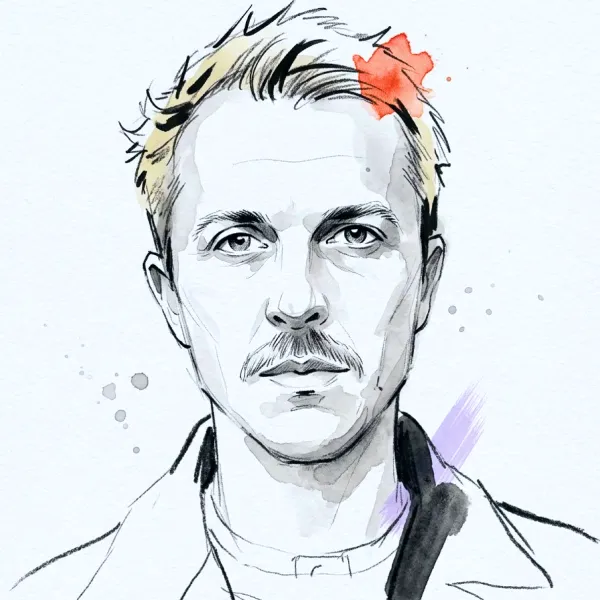
Y/Project cancelled its planned Autumn/Winter 2024 Paris runway and redirected resources towards production, then published the complete collection online on 12 March. The shift exposed the working-capital pressure behind an independent wholesale house without erasing the collection itself.
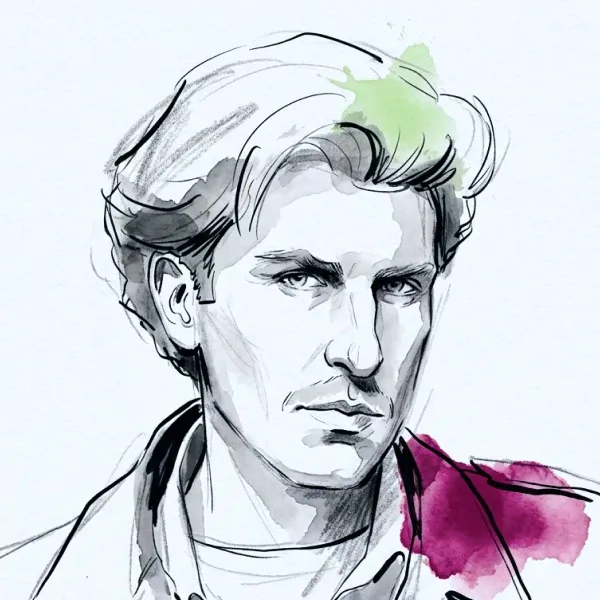
Claude Montana died on 23 February. His name remains inseparable from the hard-shouldered glamour and sculpted authority of 1980s fashion, and his death returned that singular silhouette to the foreground of fashion memory.
Matteo Tamburini's first Tod's collection gave the Milan house a clear opening statement for its next phase. It was a sober sort of debut, which in this instance was hardly a flaw.
Walter Chiapponi's first Blumarine collection arrived on 23 February, marking the house's first major runway reset after Nicola Brognano. The debut mattered not simply because it was new, but because it set out a different proposition altogether, moving the label away from its recent Y2K-coded image towards something more adult and romantic.
Alessandro Vigilante presented his first Rochas runway collection on 28 February, bringing the house back into the Paris conversation in visible fashion. For a label more closely associated in recent years with fragrance than with runway relevance, the debut marked a credible attempt to reactivate its position within fashion proper.
Chemena Kamali's first Chloé collection reset the house around a softer, more bohemian reading of its heritage. The debut was notable not for noise but for clarity: a recognisable proposition delivered without hesitation.
March
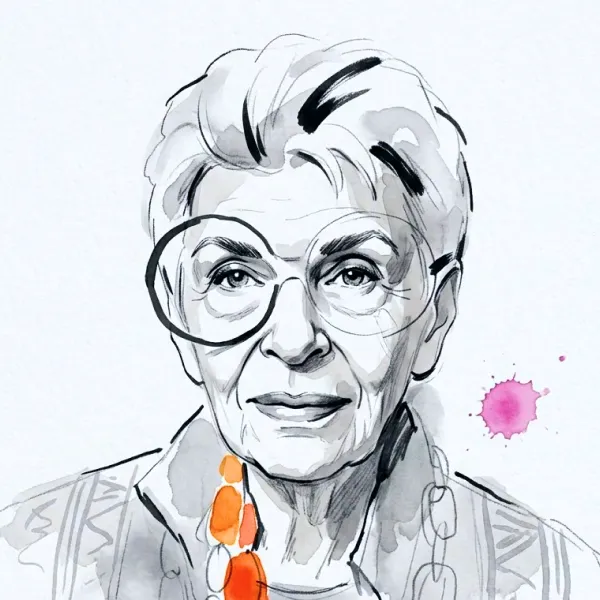
Iris Apfel died on 1 March at the age of 102. Her maximalist dress and irreducibly personal eye had long made her a rare figure in fashion culture: both instantly recognisable and quite impossible to standardise.
Pelagia Kolotouros's first Lacoste fashion show paired a house reset with the brand's runway return to Paris. That combination gave the March presentation a structural importance beyond the clothes themselves: it marked where, and under whom, Lacoste now wished to appear.
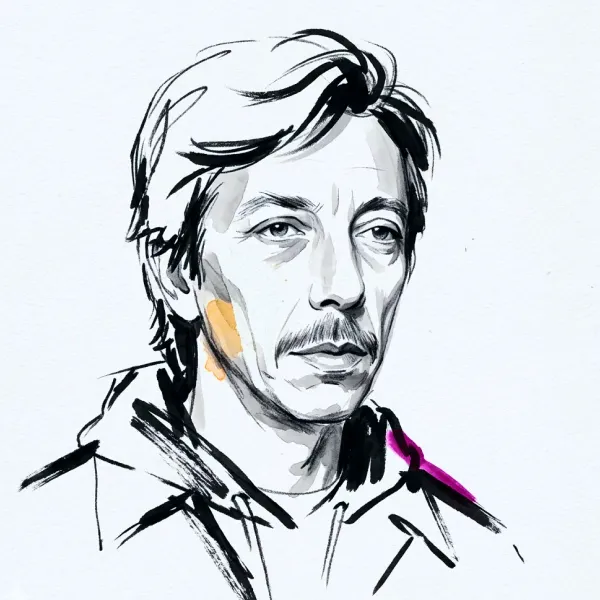
Pierpaolo Piccioli left Valentino on 22 March, bringing one of the decade's most distinctive luxury-house tenures to a close. The departure altered the mood around the house at once, replacing continuity with a rare sort of open question.
Crafted World translated a decade of Jonathan Anderson’s Loewe into the house’s first public exhibition, turning archive recovery and contemporary brand authorship into a single immersive format.

Valentino's decision not to stage its June menswear or haute couture shows left an unusually visible gap in the Paris calendar after Pierpaolo Piccioli's exit. Cancellation, in this case, was not absence in the ordinary sense; it was evidence of a house between chapters.
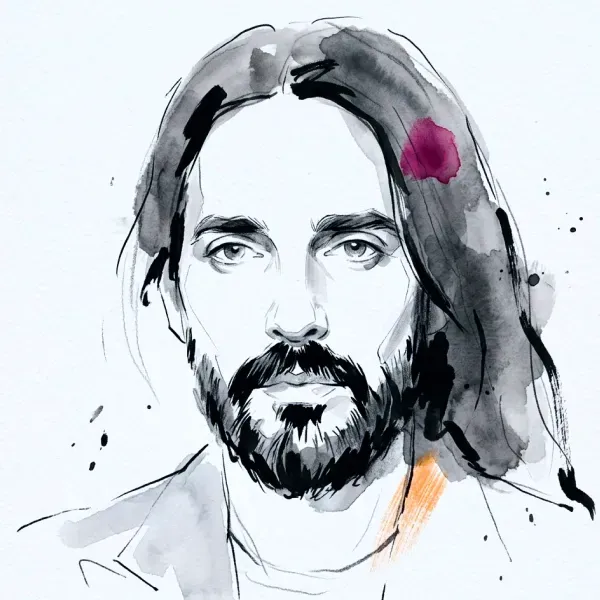
Valentino named Alessandro Michele on 28 March, turning the post-Piccioli interval into a sharply defined new era. Few appointments in 2024 carried quite the same charge, partly because the house had been so legible under its previous author.
April

From the Heart to the Hands translated Dolce&Gabbana’s Alta universe into a museum setting. The exhibition presented the house as a world of Italian handwork, religious theatre, cinema, ornament, tailoring and image-making rather than as a runway label alone.
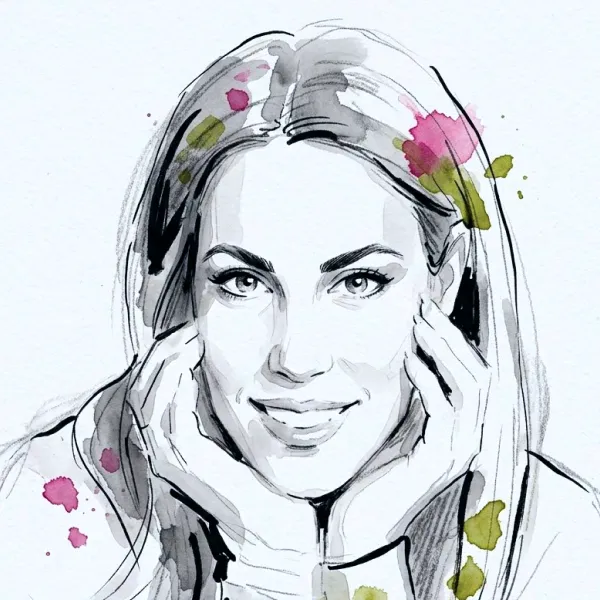
Bulgari appointed Mary Katrantzou to a newly created creative director role for leather goods and accessories in April. The creation of the post itself was the point: a Roman jewellery house giving clearer institutional shape to its fashion ambitions.
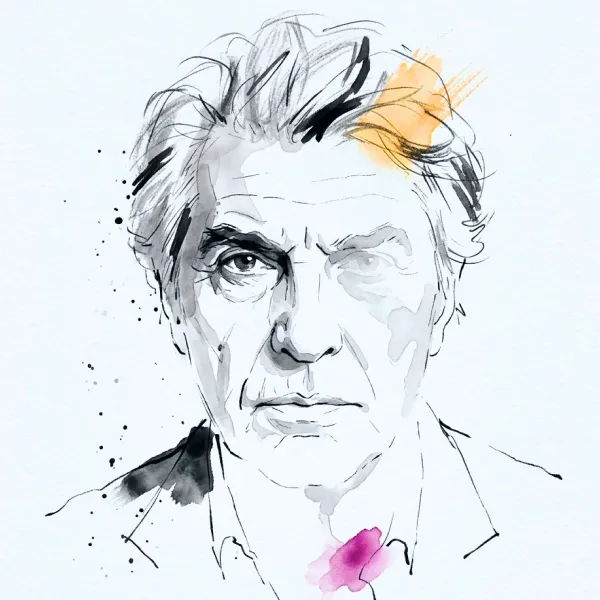
Roberto Cavalli died on 12 April. Few Italian designers left behind a signature as immediately legible as his, and his death marked the loss of a figure who treated excess not as embarrassment but as fluent house style.
May
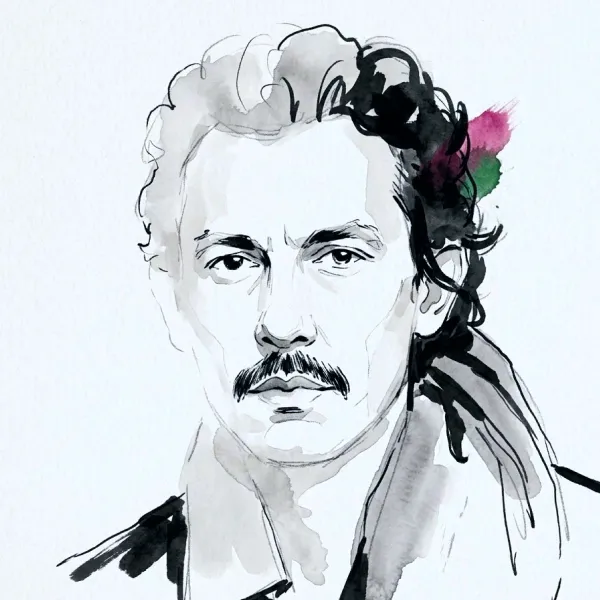
Canada Goose appointed Haider Ackermann its first creative director on 15 May 2024. The role introduced a named creative lead to the outerwear company and established Snow Goose as a recurring platform for his experiments in protection, technical materials, colour and environmental image-making.
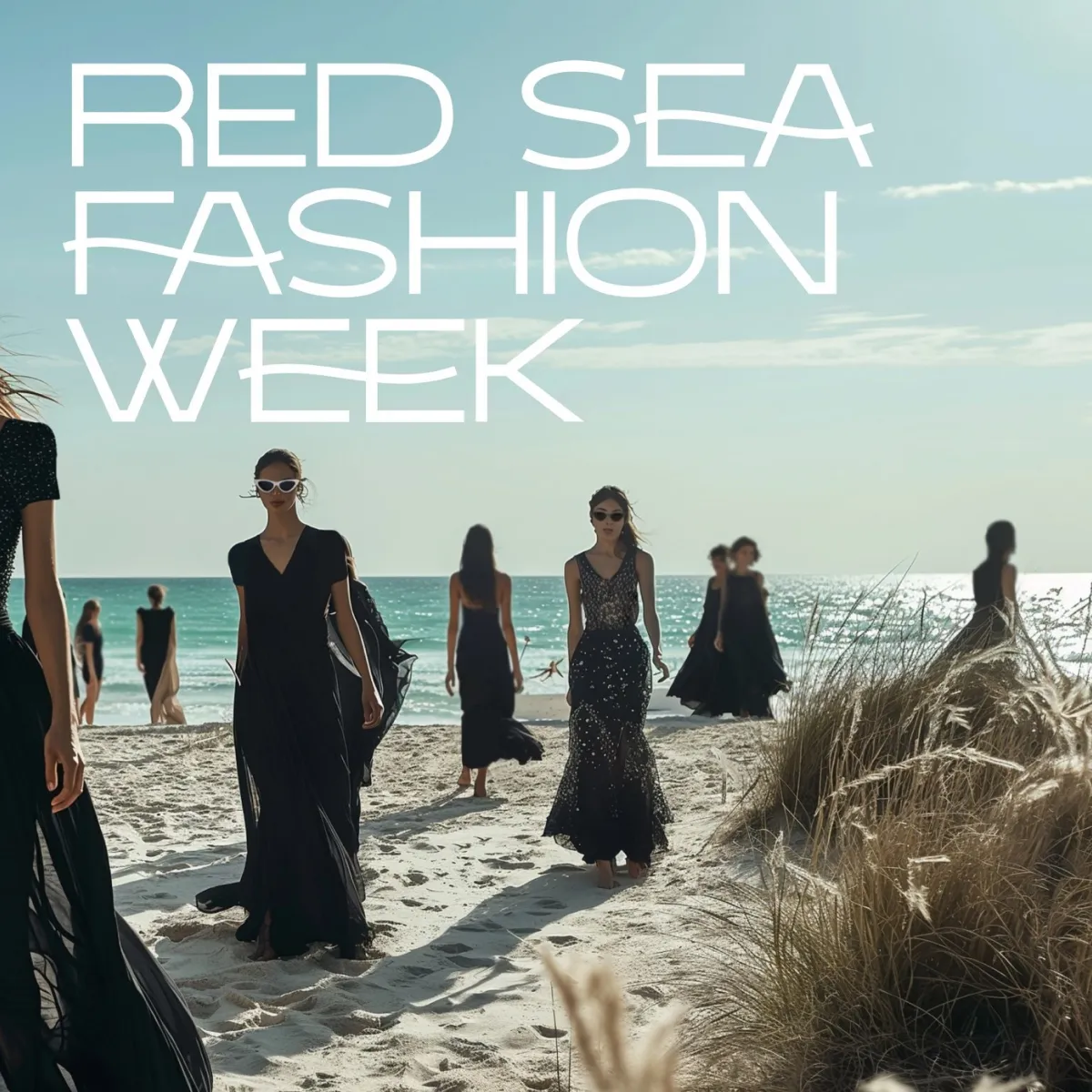
The inaugural Red Sea Fashion Week opened on 16 May, launching a new Saudi platform with explicit international ambitions. Whatever its longer trajectory, the debut was notable as a formal addition to the geography of contemporary fashion events.
Photo credit: @redseafw
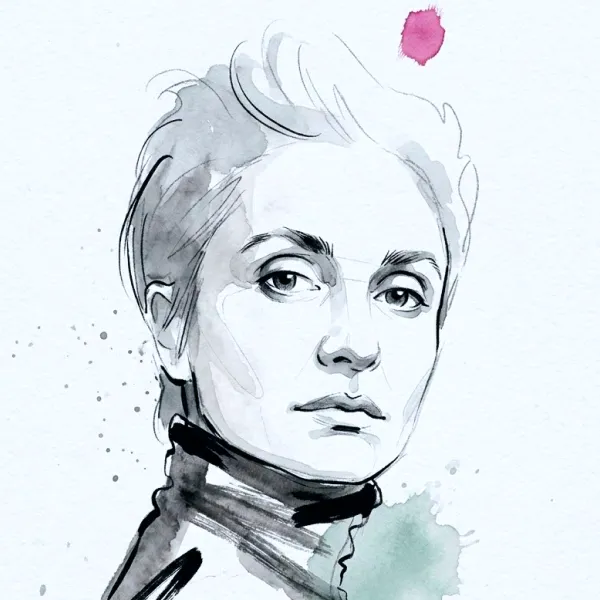
Calvin Klein appointed Veronica Leoni on 30 May as part of a broader revival of the brand's top creative function. The move carried more weight than a routine staffing notice, not least because it reopened serious conversation around Calvin Klein Collection and the runway.
June
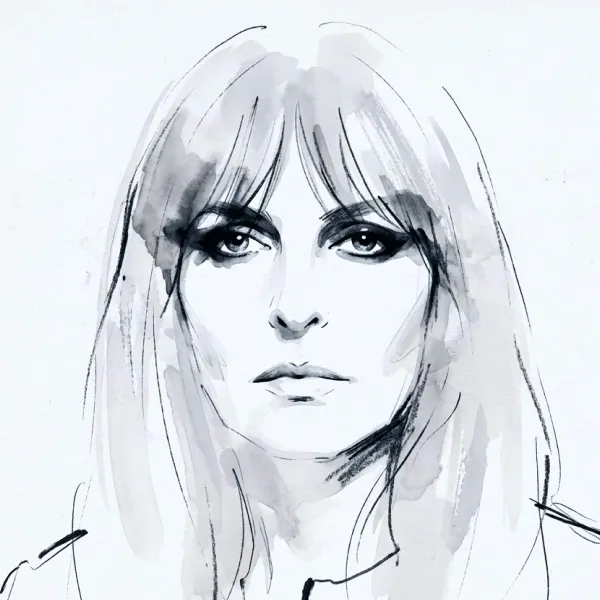
Virginie Viard's departure from Chanel on 5 June created the most prestigious open vacancy of the year. Once the news broke, the house's next move ceased to be ordinary succession gossip and became one of fashion's defining unresolved questions.
Gilles Elalouf died in June 2024, removing Y/Project’s co-founder, statutory company president and principal business continuity-holder. His death occurred during an already fragile year and preceded further executive departures, cessation of payments and receivership.
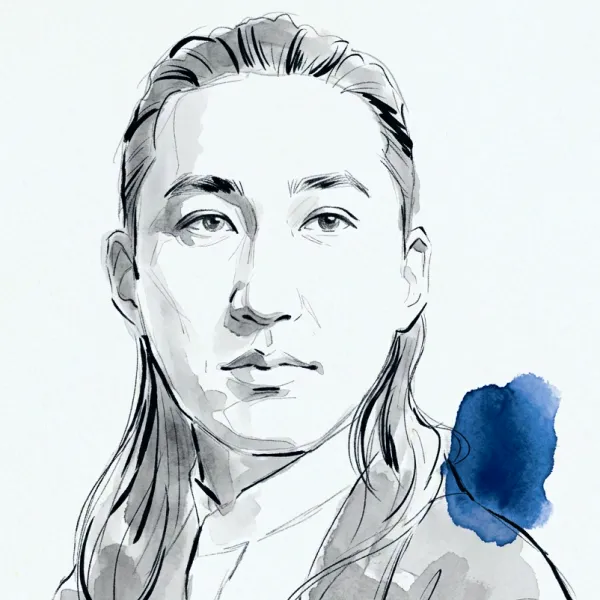
Beyond Couture gave YUIMA NAKAZATO its first monographic museum exhibition, bringing the house’s full Paris couture archive into a French public institution.
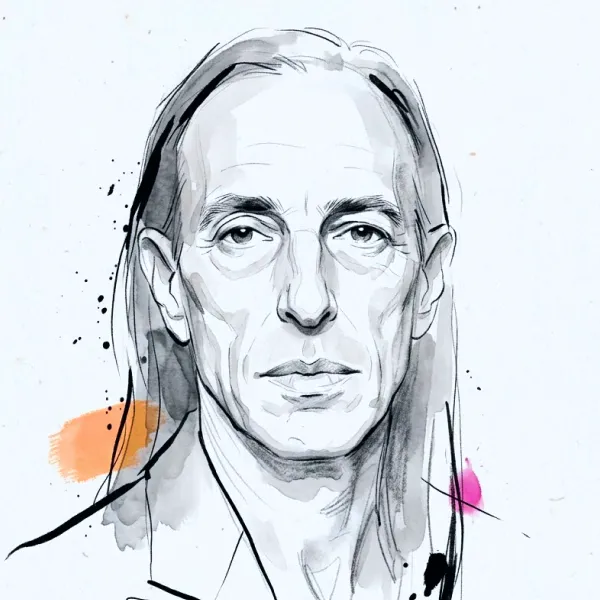
Hollywood becomes a major fashion-calendar event through mass casting, repeated looks and a civic-scale procession across the Palais de Tokyo esplanade.
Dries Van Noten presented his final runway collection on 22 June 2024 after thirty-eight years at the head of the house. The show used familiar tensions between austere tailoring, luminous surface and fluid print without becoming an archive parade, closing the founder era while insisting that the company would continue.

Chloé launched Chloé Arts on 25 June 2024 as a continuing programme for women artists and interdisciplinary exchange. Its first edition installed work by Mie Olise Kjærgaard at the Saint-Honoré flagship, extending the house’s archive and exhibition history into an active commissioning structure.
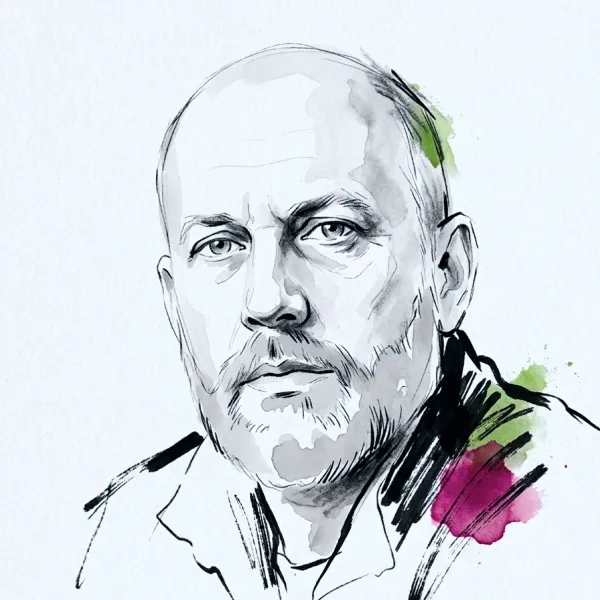
Lanvin announced Peter Copping as Artistic Director on 27 June 2024, with an effective start in September and responsibility for women’s and men’s collections. The appointment restored named artistic leadership after the studio-led transition while preserving the distinction between announcement, operational start and first runway.
July
Mugler × Gentle Monster condensed a founder-era eyewear reference and Cadwallader’s spiral code into two precisely bounded collaboration products.
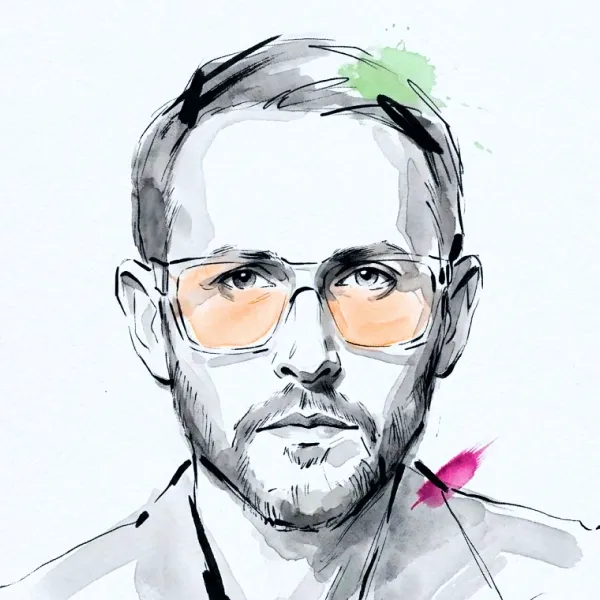
Peter Hawkings’s departure ended the continuity-led first phase of Tom Ford’s post-founder succession after little more than a year. The exit reopened the question of how distinctly the house needed to change under corporate ownership.
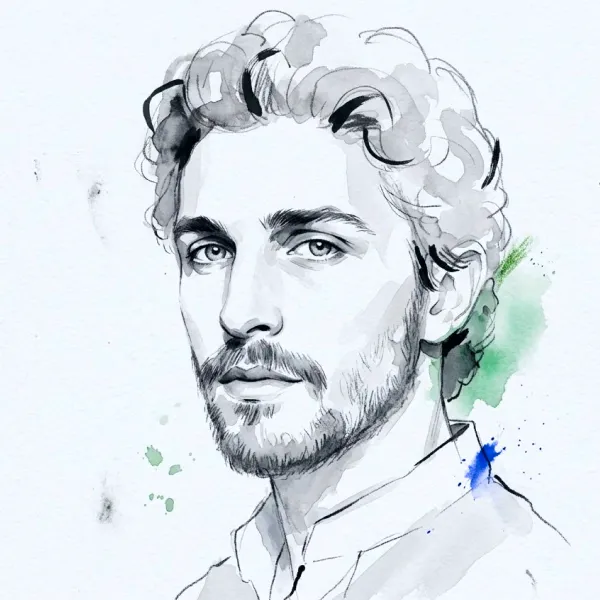
Blumarine brought in David Koma after Walter Chiapponi, extending the brisk turnover that marked so many Italian houses in 2024. The appointment carried the air of another reset, but not an especially patient one.
August
Copenhagen Fashion Week's Spring/Summer 2025 edition opened in August under its mandatory 18 sustainability standards. That gave 2024 one of its clearest institutional markers: not a single designer's move, but a framework asserting itself as part of fashion's operating conditions.
The Paris 2024 Olympic Closing Ceremony moved Germanier into broadcast-scale costume production, beginning a wider shift towards institutional commissions, custom work and invited couture.
Louis-Gabriel Nouchi designed more than 700 costumes for the Paris 2024 Paralympic Games opening ceremony, adapting a coherent visual system to performers with varied mobility and physical requirements.
September
Georges Hobeika brought ready-to-wear onto the official Paris Fashion Week runway in September 2024, giving the commercial line a distinct institutional platform.
Robert Wun returned to Hong Kong for the first runway presentation of his decade-old house in his birthplace, staging HOMECOMING at the Hong Kong Palace Museum.
Tom Ford appointed Haider Ackermann on 4 September 2024 after Peter Hawkings’s brief continuity-led tenure. The choice installed an external designer with a distinct tailoring and colour vocabulary and gave the post-founder house a clearer mandate for reinvention.
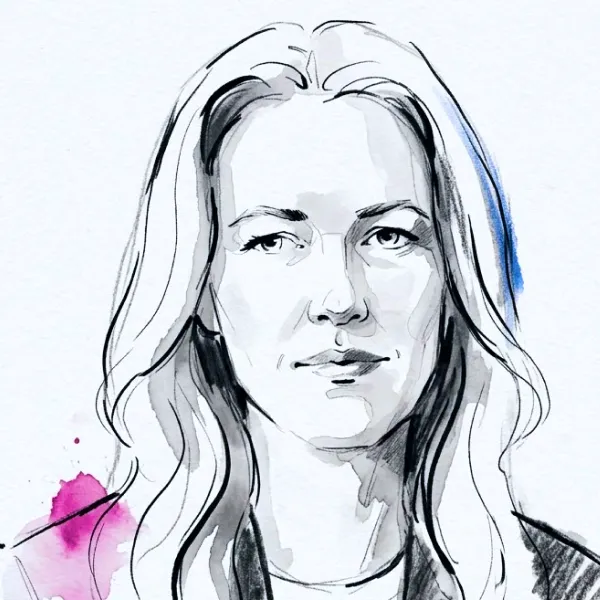
Uniqlo's appointment of Clare Waight Keller brought an established designer into one of the world's largest fashion businesses. That combination of global scale and recognisable authorship made the September announcement difficult to dismiss as mere corporate housekeeping.

Ralph Lauren moved the Spring 2025 fashion experience to Bridgehampton, using the Hamptons as both setting and source material for Collection, Purple Label and Polo.
Y/Project announced Glenn Martens’s departure on 6 September 2024 after approximately eleven years. No successor was named, and the departure removed the house’s creative leader two days after the court later fixed the company’s cessation-of-payments date.
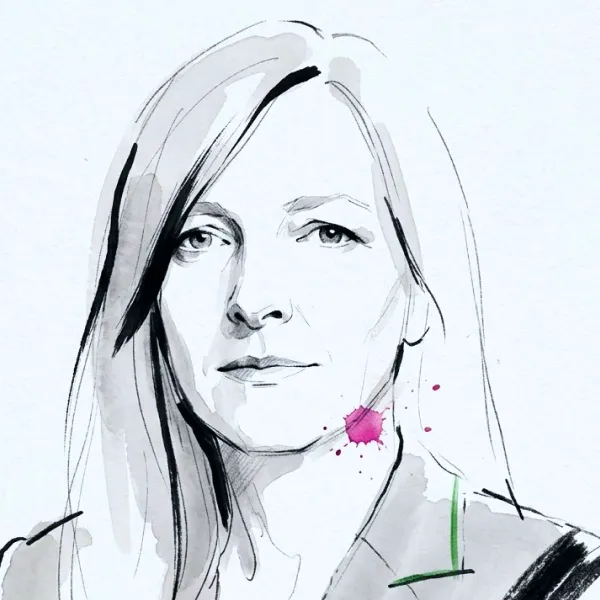
Sarah Burton’s appointment on 9 September 2024 began the current Givenchy authorship after a studio interregnum. Her mandate covers women’s and men’s collections, with the atelier and archive returning to the centre of the house’s public design language.
Alberta Ferretti's Spring 2025 show, later confirmed as her final collection for the house, gave September a note of quiet conclusion. Founder farewells have a different weight from ordinary exits; this one carried the sense of a name stepping back from itself.
SCAD FASH opened the first solo museum exhibition devoted to Imane Ayissi, presenting more than forty looks from across his career.
Italian Beauty turned Dolce&Gabbana’s long Madonna relationship into runway language. Conical corsetry, platinum wigs, black lace and tailored spectacle revived a decades-long exchange between the house and the pop star’s Italian iconography.
The Dries Van Noten design studio presented Spring/Summer 2025 womenswear on 25 September 2024, the first runway collection after the founder’s departure and before a successor had been named. Its importance lay in making collective studio authorship public during a succession that the house had previously organised around one designer’s name.

IN-CARNATION entered redressement judiciaire on 26 September 2024 after the court fixed cessation of payments to 4 September. The procedure sought to preserve or sell the business and documented 24 employees, but no acceptable completed sale followed.
October
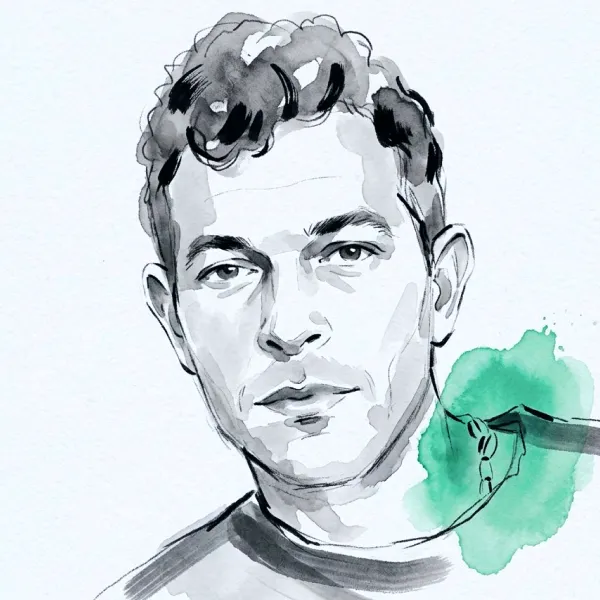
Celine named Michael Rider as its next creative director on the day Hedi Slimane’s departure was announced. Rider’s earlier work inside the house changed the succession from a clean break into a more complicated return, with several Celine histories available to be reworked.
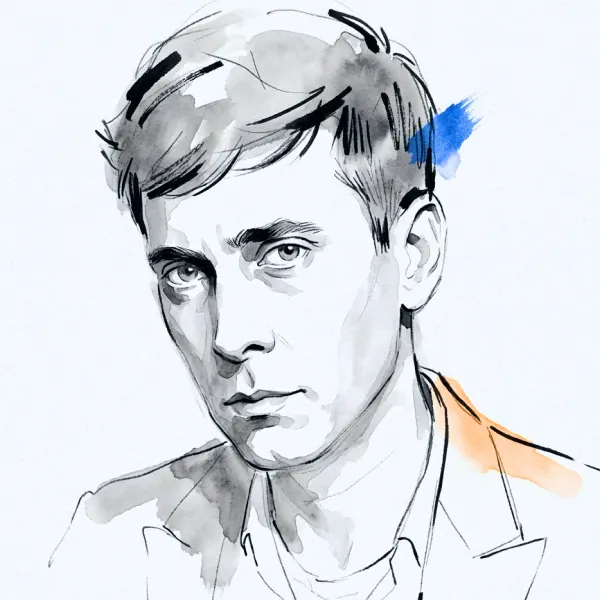
Hedi Slimane’s departure ended one of Celine’s most comprehensive exercises in total image direction. The change mattered beyond a designer exit because it separated a seven-year system of fashion, photography, architecture and product expansion from the structure that would follow.
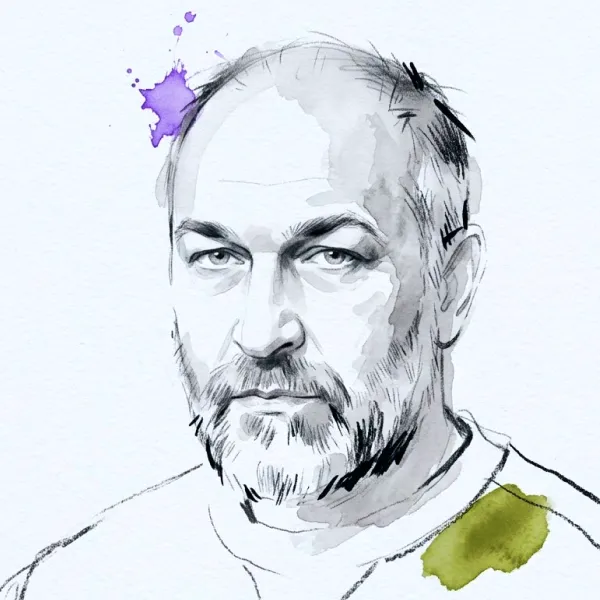
Missoni's appointment of Alberto Caliri formalised a transition that had been unfolding within the company. In a year crowded with louder names, it registered as a quieter but still telling act of internal recalibration.
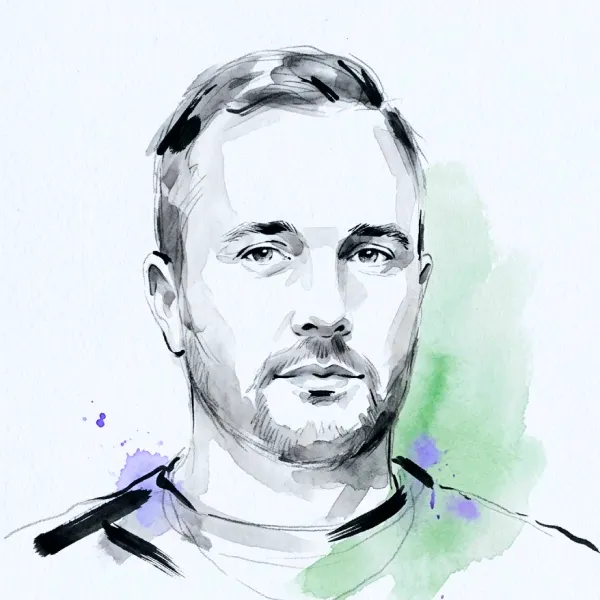
Kim Jones’s October departure reopened Fendi’s central womenswear and couture succession less than five years after Karl Lagerfeld’s death. Silvia Venturini Fendi again assumed responsibility for the transition.
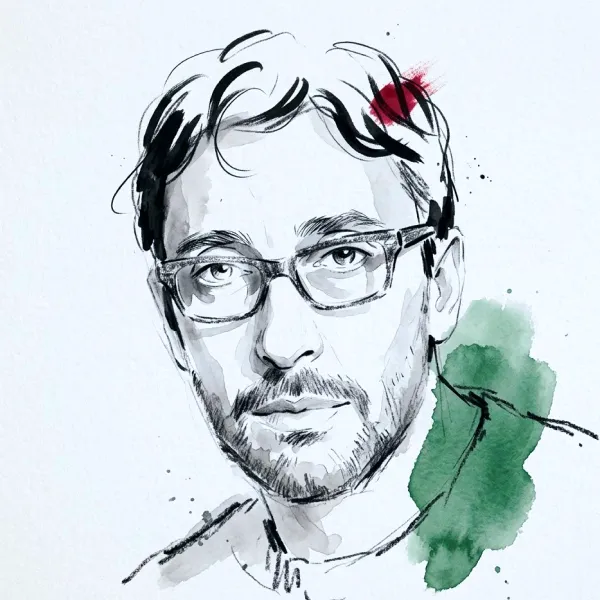
At Alberta Ferretti, Lorenzo Serafini's appointment gave formal shape to a succession that might otherwise have lingered as sentiment. A founder-led Italian house moved, with unusual neatness, from valediction to named continuation within the same year.
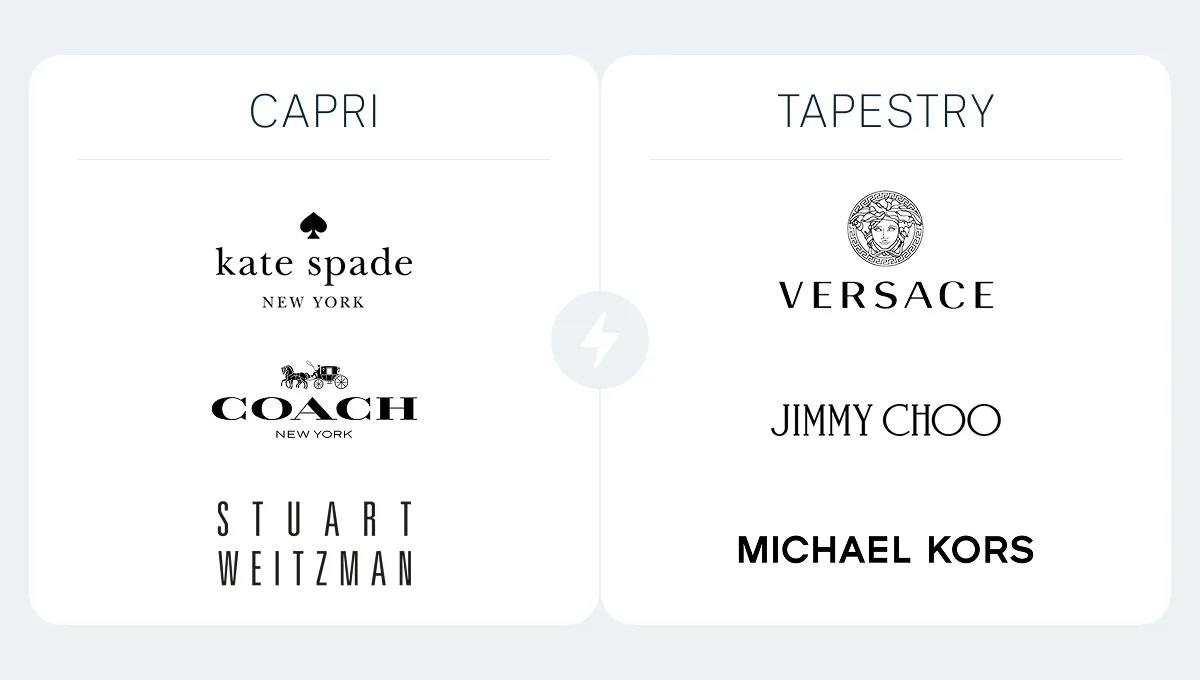
A US federal judge blocked Tapestry's proposed acquisition of Capri Holdings on 24 October, effectively ending the year's largest American fashion merger attempt. The decision gave 2024 a distinctly corporate jolt, reminding the industry that strategic ambition still answers to harder external limits.

Willy Chavarria’s 2024 CFDA American Menswear Designer of the Year win gave the label a major industry-recognition anchor for the second consecutive year. The award confirmed the strength of Chavarria’s current menswear authorship and the broader cultural force of his New York label.
November
No significant November entry has been confirmed yet
If you think we have missed something exciting and worth recording, drop us a note and Phoebe will verify it.
december
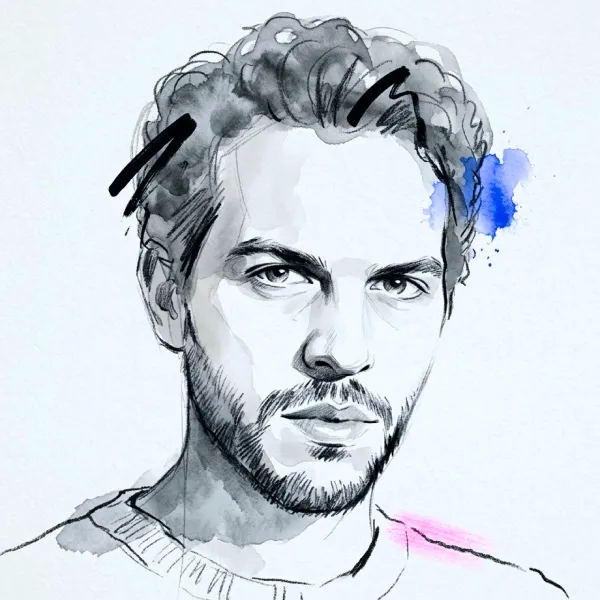
Dries Van Noten appointed Julian Klausner as creative director on 9 December 2024. Promoting the former head of womenswear preserved knowledge inside the Antwerp studio while transferring responsibility for both menswear and womenswear to a designer formed within the house.
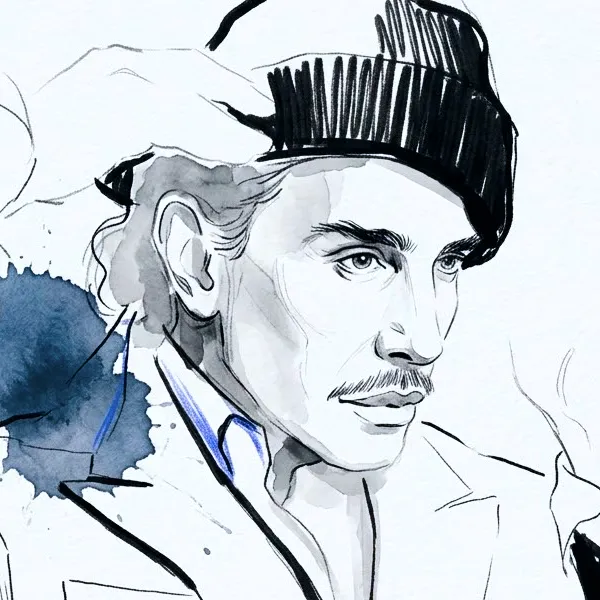
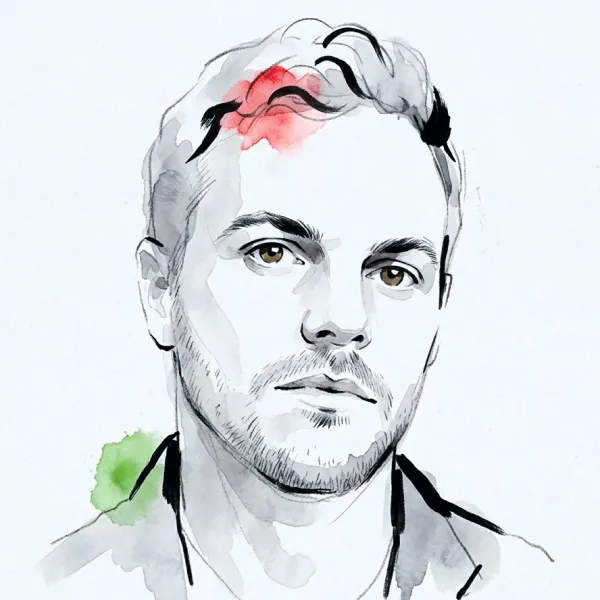
Chanel named Matthieu Blazy on 12 December, bringing the longest and most closely watched vacancy of 2024 to an end. After months of suspended anticipation, the house finally moved from speculation to settlement, and late-year fashion news acquired a proper full stop.
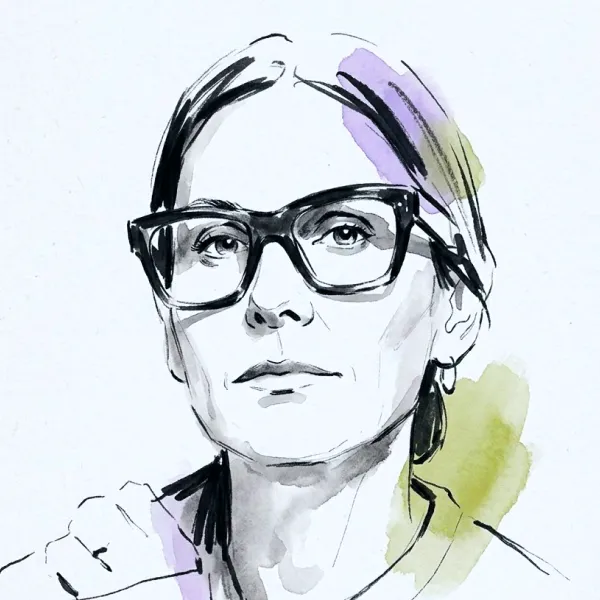
Bottega Veneta turned immediately to Louise Trotter as Matthieu Blazy's successor, announcing the appointment on the same December day. The swiftness gave the move an unusual crispness, as one house's conclusion fed directly into another's next arrangement.
Interregnum with consequences
By the close, what lingered was not churn alone but the shape it had produced. Chanel's long vacancy ended with Matthieu Blazy, Dries Van Noten's post-founder suspense settled around Julian Klausner, and Bottega Veneta answered Blazy's departure with Louise Trotter almost in the same breath. After months of speculation, fashion had started to turn vacancy back into form.
That left 2024 with a particular texture. Strategic absence mattered almost as much as arrival: Chanel's studio season, Givenchy's interim collections, Valentino's cancelled June shows and the Dries Van Noten studio runway all made the pause visible rather than merely administrative. Elsewhere, Fendi, Celine, Tom Ford and Alberta Ferretti entered their own transition zones, each with a different degree of sang-froid. Fashion spent much of the year pretending hesitation was choreography, and rather often it got away with it.
The broader system was less easily charmed. Copenhagen's sustainability standards showed that structure could be as consequential as spectacle, AI moved from novelty to operational anxiety, regulation gathered force, and the luxury sector discovered that brand desire requires more than price rises and immaculate lighting.
2024 did not close as a year of resolution. It closed as a year in which fashion remembered how to create desire, then immediately had to ask who would be responsible for maintaining it.
Spot a mistake or a missing event? TFDB’s year chronologies are edited, researched and regularly revised. Send us a correction or suggestion, if it meaningfully improves the record, we’ll credit your contribution.


